

From Thumbprint to Signature: How Women Are Transforming Rural Malawi Through Literacy


In the heart of central Malawi, where educational opportunities have historically been limited, a remarkable transformation is taking place—led by women. The rural community of Makanda has witnessed an educational revolution courtesy of buildOn’s Adult Literacy Program, with women creating new futures for themselves, their families, and their community.
Women Writing Their Own Stories in Rural Malawi
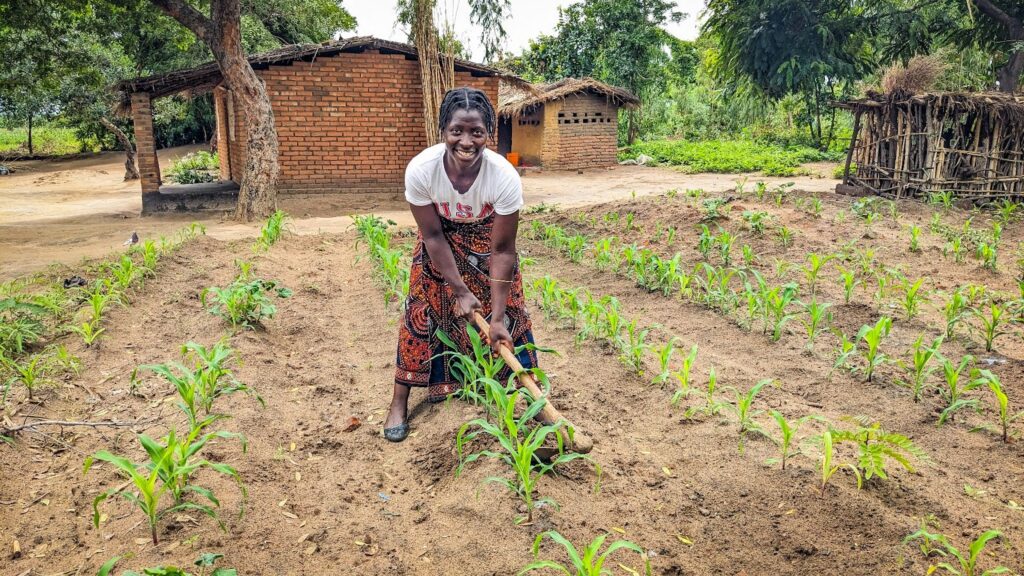
For 31-year-old Felezina Levison, a mother of three, life without literacy skills was a daily struggle. Having dropped out of school in third grade due to her family’s financial problems, she spent years unable to perform tasks many take for granted.
“I dropped out in third grade because of the financial difficulties my parents faced,” Felezina explains. This lack of education created many challenges later in life, including the inability to sign documents with a pen. Instead, she had to use a thumbprint—something that brought her deep embarrassment. “I felt ashamed when signing with a thumbprint around other people,” she says.
This experience is common in rural Malawian communities, with women disproportionately affected by lack of educational access. For generations, cultural norms and economic pressures have prevented girls from completing their education, creating a gender literacy gap that persists into adulthood. In Makanda, before buildOn started Adult Literacy classes, only around 33% of the village could read and write.
Championing Education
The turning point for Makanda came when they partnered with buildOn to construct a new school. This collaborative project didn’t just create learning spaces for children—it opened doors for adults who had missed out on getting an education in their youth.
Once the school was completed, we launched our Adult Literacy Program, enrolling 82 parents and grandparents eager to gain reading and writing skills. The overwhelming number of participants were female—77 women to just 5 men—demonstrating their determination to transform their circumstances through education.
“When the women in our village heard about the literacy classes, we encouraged each other to join,” Felezina recalls. “We knew this was our chance to gain the skills we had been denied as girls.”
No Longer Invisible: Women Reclaiming Their Identities
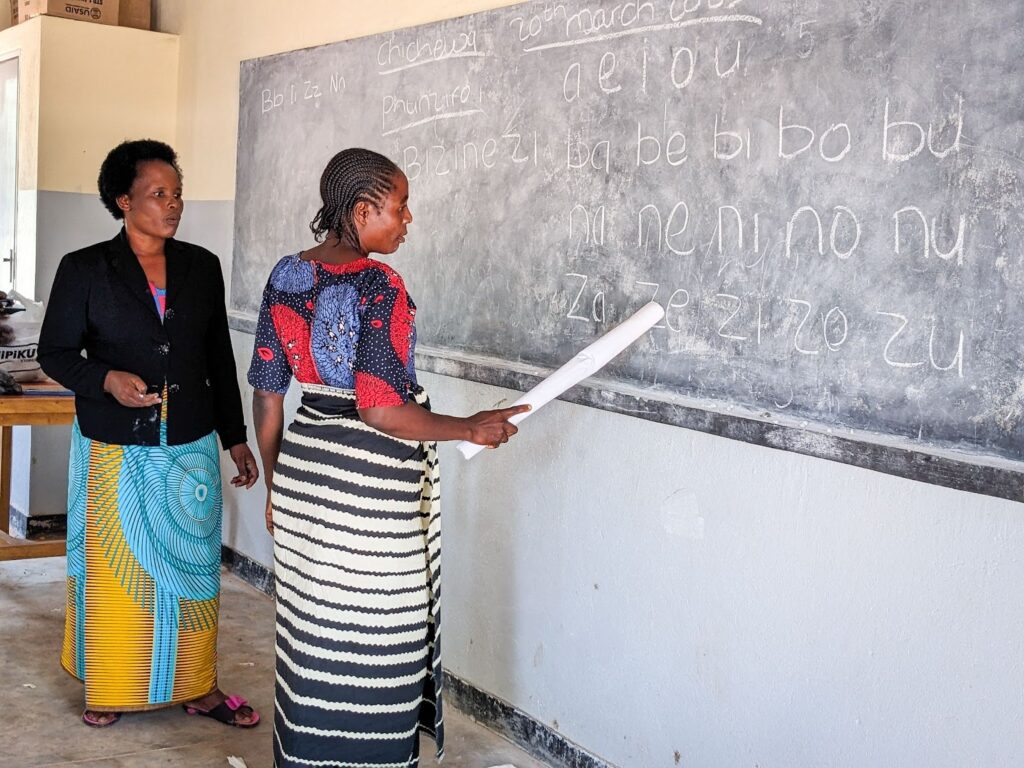
“We knew this was our chance to gain the skills we had been denied as girls.” —Felezina Levison, Adult Literacy Program Participant
For Felezina and her female classmates, the impact of the program went beyond practical skills—it represented a chance to reclaim their identities. “After attending buildOn’s Adult Literacy Program, I now can read and write, and I sign with a pen instead of a thumbprint,” she shares with pride. “I can easily write my name and those of my three children.”
The ability to sign one’s name might seem simple, but it carries profound significance for women who have lived in the shadows of illiteracy. It represents visibility, agency, and the power to represent oneself in official spaces that have historically excluded them.
This newfound literacy extends to their roles as mothers, too. “My ability to read and write has also enabled me to help my children with their homework,” Felezina adds, highlighting how educated women create intergenerational educational support networks that benefit their entire families.
Economic Growth Through Education
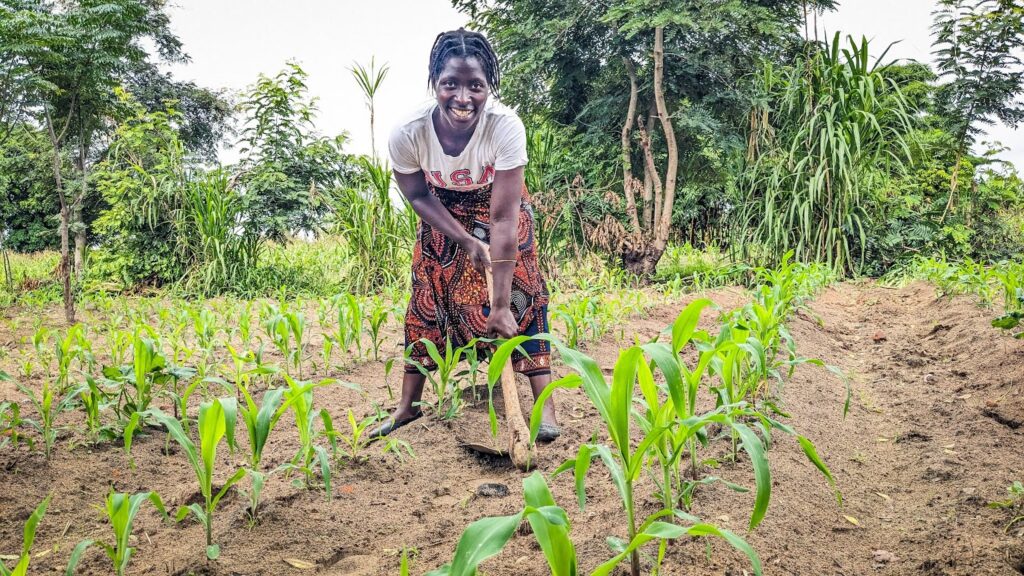
The Adult Literacy Program in Makanda demonstrates that when women gain education, entire communities benefit economically. As part of the program, participants learn agricultural techniques, financial management, and entrepreneurship skills that translate directly to economic independence. The women in the program collaborated to produce organic fertilizer, which has had a big impact on their farms.
“As a farmer, the use of organic fertilizer has helped me double my maize yield—from 1.2 metric tonnes to 2.5 metric tonnes on the same piece of land,” Felezina explains. This dramatic improvement means “having food all year round and selling the surplus.” It’s the difference between hunger and financial security.
For women who have traditionally been economically dependent on male family members, their improved farms represent a path to financial autonomy and decision-making power within their households.
Women’s Collective Power: Building Financial Solidarity
Perhaps most remarkable is how the women of Makanda have combined their individual progress into collective action. Female participants established a community savings group, creating financial infrastructure where none existed before. They’re ensuring that a portion of their profits is reinvested into their children’s education, helping improve life for the next generation.
For Felezina, these financial skills have created new opportunities: “From the group savings, I earned $40, which I invested in goat farming. Currently, I have three goats, which will help meet my children’s future education needs.”
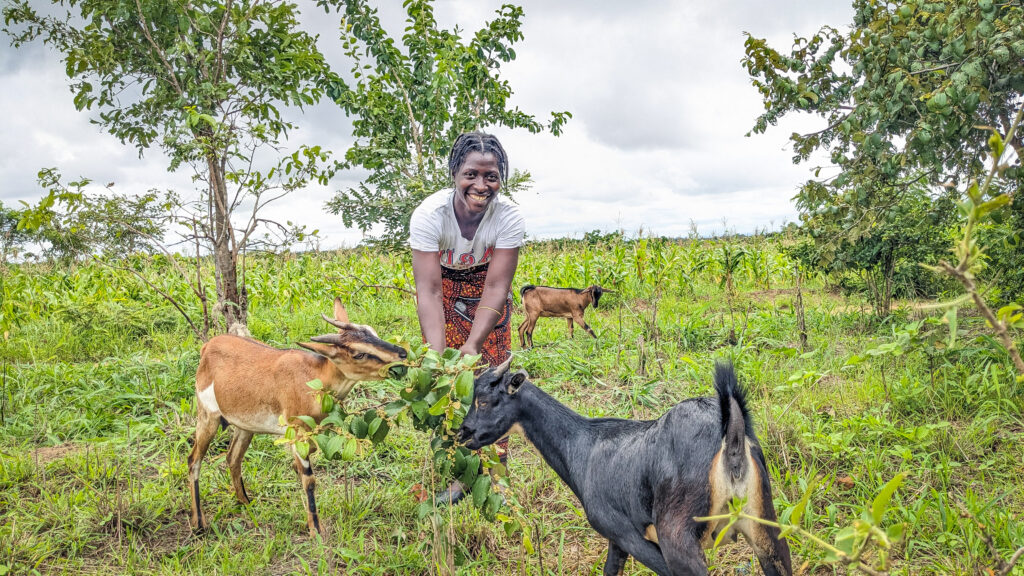
This model of collective economic growth represents a sustainable approach to community development that centers female leadership and solidarity.
The Transformative Power of Female Literacy
The success of buildOn’s work in Makanda is evident in the numbers. Today, the literacy rate in the community is 86%—a remarkable transformation led primarily by women’s participation and commitment.
This dramatic improvement represents not just statistical success but real-life transformation for dozens of women who now have new pathways to economic independence and leadership roles within their families and community.
Building an Equitable Future
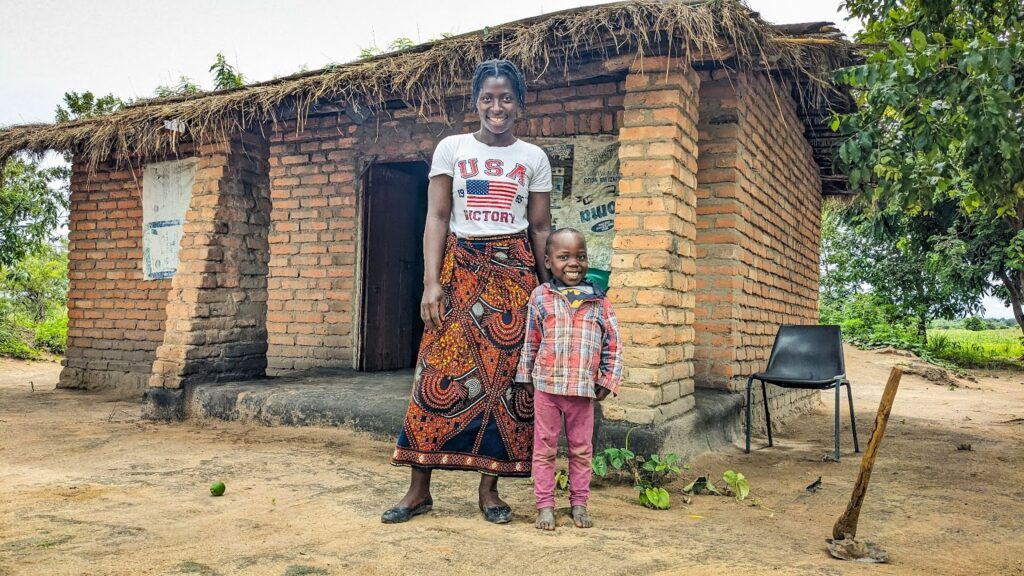
Makanda’s experience illustrates how women’s literacy can serve as a catalyst for comprehensive community development. When women gain education, they invest in their families’ health, nutrition, and education.
As literacy rates among women rise in Malawi, economic opportunities expand. As mothers like Felezina help their children with homework, the next generation sees new possibilities for their futures. Investing in women’s literacy today creates stronger, more equitable communities tomorrow.
This Women’s History Month, stories like Makanda’s remind us that when women have access to education, they don’t just change their own lives—they transform the trajectory of entire communities.
Want to help support women’s literacy through our transformational Adult Literacy Program? Consider making a tax-deductible donation to buildOn today.