

Why Do Students Drop Out of School? Causes, Statistics, and Solutions


Every year, thousands of students across the United States leave high school without earning a diploma.
It’s easy to assume students drop out because they don’t care about school, but the reality is much more complicated.
Research shows there is rarely a single reason. Students often leave school because multiple challenges build over time, from chronic absenteeism and financial hardship to family responsibilities, mental health struggles, and a lack of connection to school.
Whatever the reason a student drops out, the consequences can last a lifetime.
High school graduates earn significantly more over their careers, experience lower unemployment rates, and are less likely to become involved with the criminal justice system than students who leave school before graduating.
The good news? The dropout crisis is preventable.
And new research shows that meaningful service, strong relationships, and a sense of belonging can make a measurable difference: a difference that buildOn’s U.S. programs are specifically designed to make.
Help more students stay in school, graduate, and become leaders in their communities. Make a tax-deductible donation today to support buildOn’s service-learning programs.
What You’ll Find in This Story
- Why students leave high school before graduating
- The long-term impact of dropping out
- How buildOn is helping students stay in school
Why Do Students Drop Out?
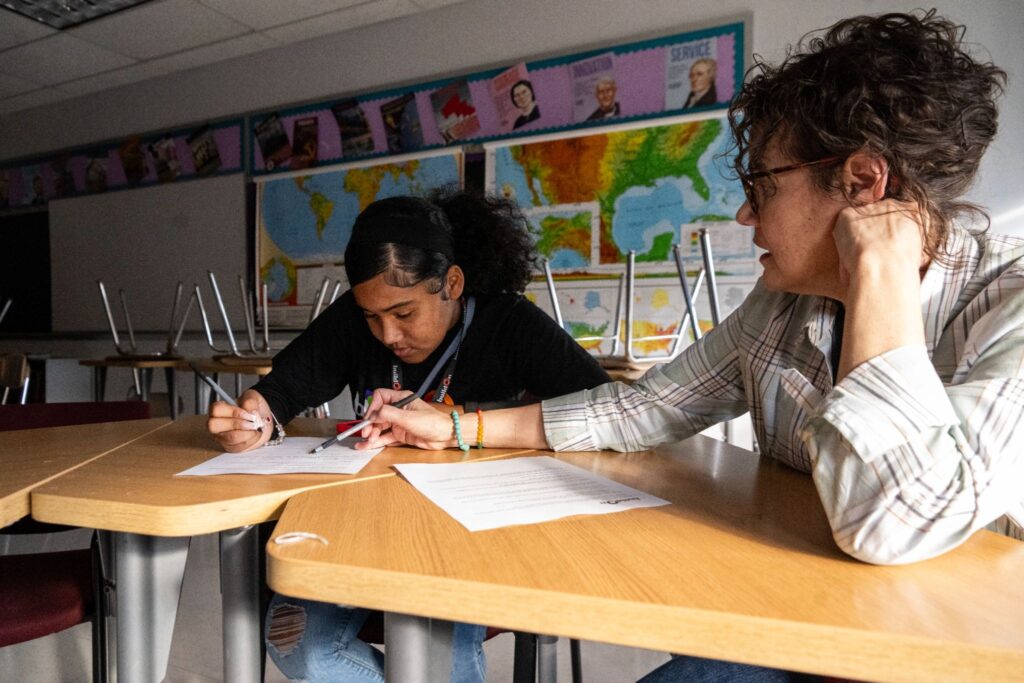
Leaving school is rarely the result of one bad day or one difficult semester.
The National Dropout Prevention Center groups the reasons students leave school into three broad categories: students may be pushed out by challenges within the school environment, pulled out by circumstances outside of school, or simply fall out after becoming disconnected over time.
Some of the most common factors include:
- Chronic absenteeism
- Academic struggles
- Financial hardship
- Family caregiving responsibilities
- Mental health challenges
- Bullying or feeling unsafe at school
- Limited connection to teachers, classmates, or extracurricular activities
For many students, these challenges compound over time until leaving school feels like the only option.
Stay Connected with our Global Movement


Who Is Most at Risk?
The dropout crisis does not affect every student equally.
Students living in poverty face significantly greater barriers to graduating from high school. Many attend under-resourced schools while balancing responsibilities outside the classroom that make it harder to stay engaged.
These are the students buildOn was created to serve.
Nearly 90% of students participating in buildOn’s U.S. Service Learning Program live in poverty. Yet they consistently outperform comparable peers in graduation, attendance, and college enrollment.
Why Does Connection Matter?
One of the strongest predictors of whether students stay in school is whether they feel connected to it.
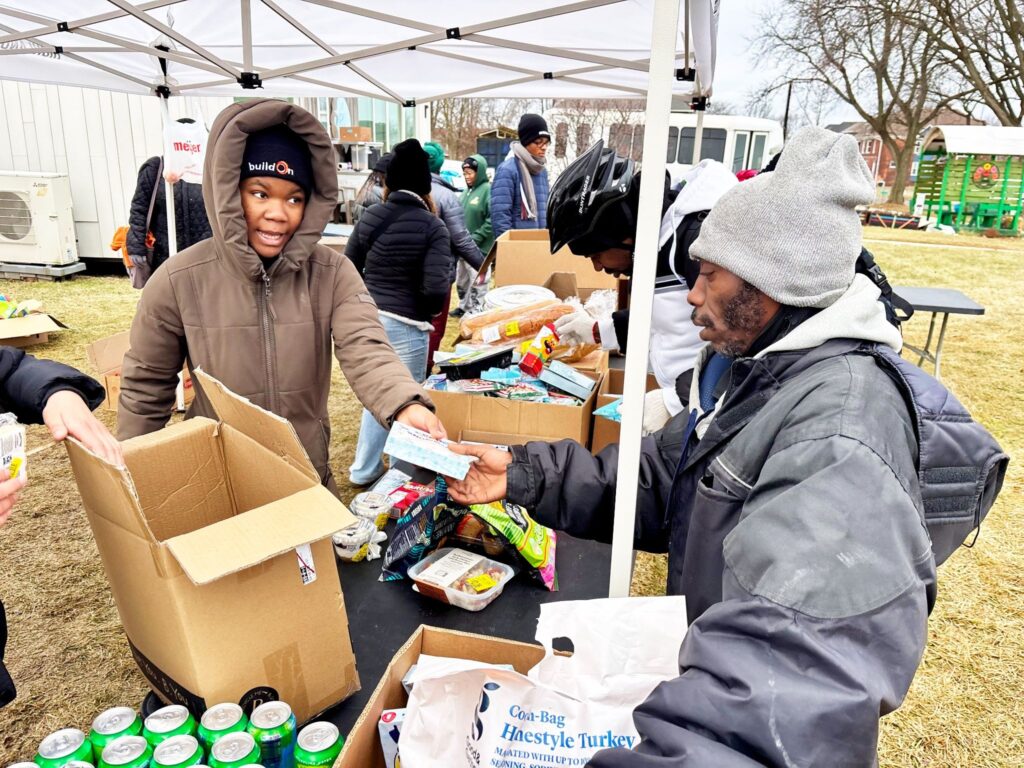
Students who have meaningful relationships with peers and trusted adults, opportunities to lead, and a sense that they belong are more likely to attend school consistently and graduate.
That’s where buildOn comes in.
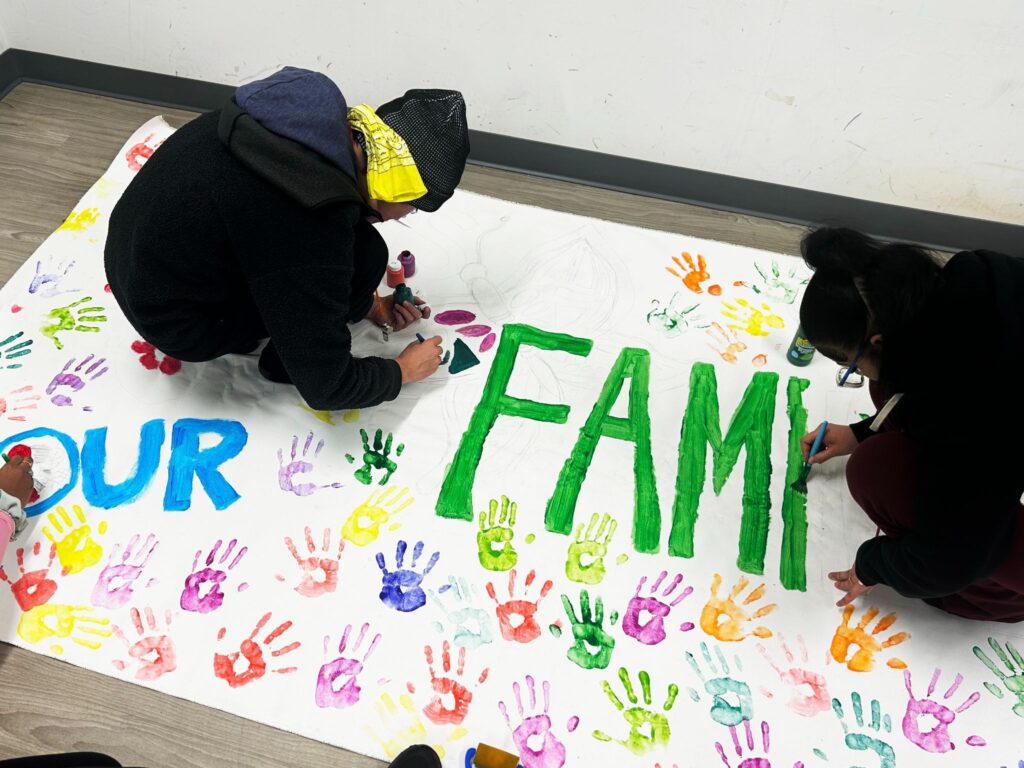
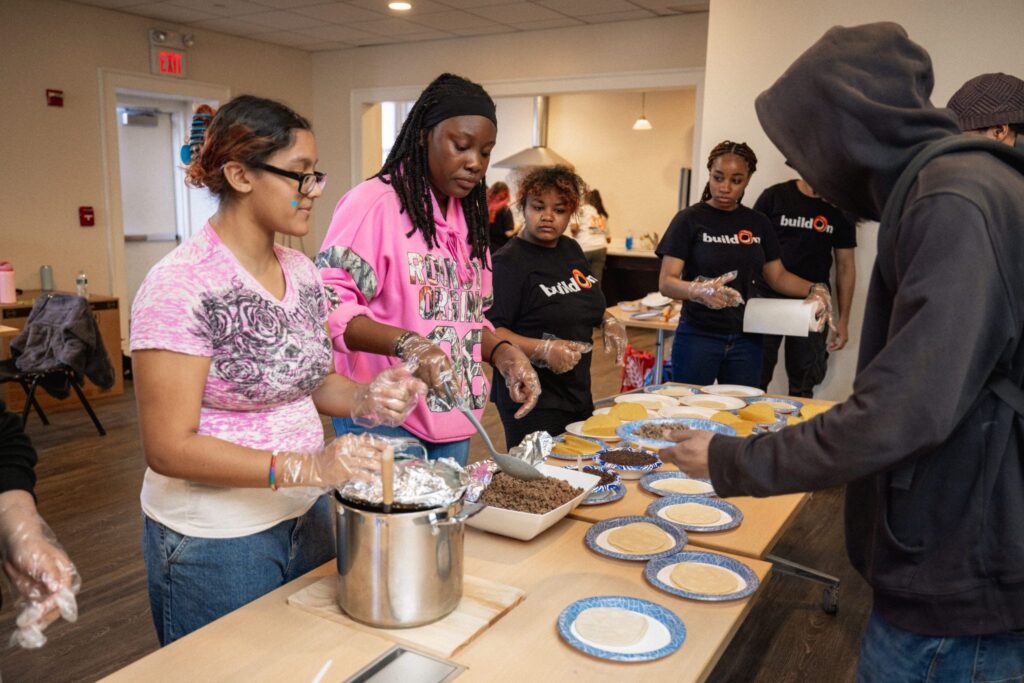
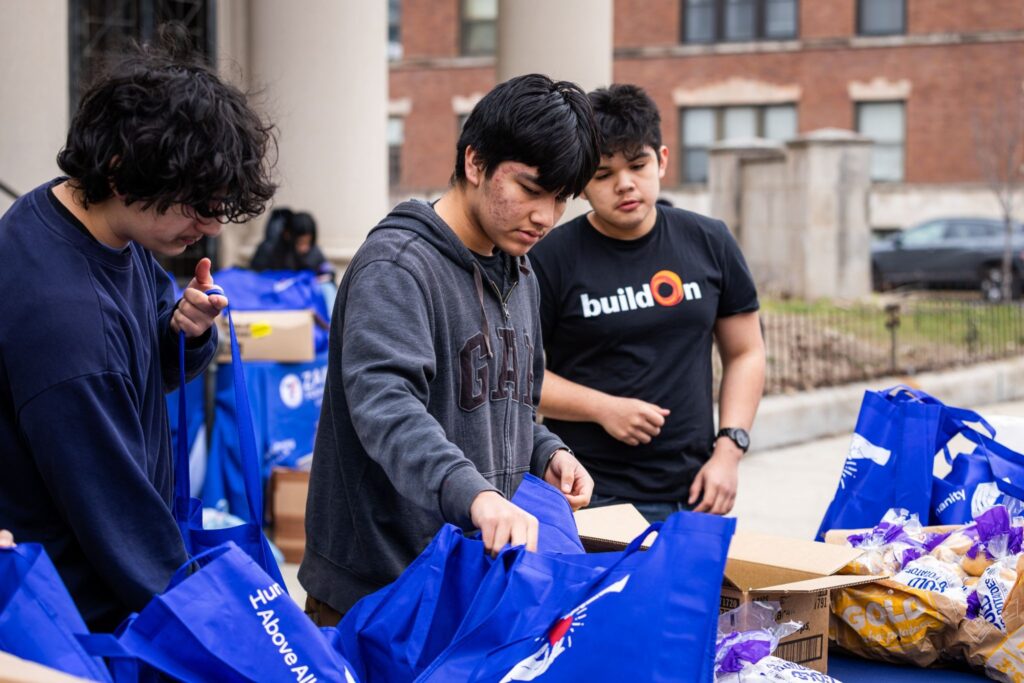
Through hands-on service projects, students strengthen their own communities while discovering their ability to create change. They volunteer in food pantries, tutor younger students, support seniors, clean parks, and make a visible difference in the neighborhoods where they live.
Service becomes a reason to stay engaged.
What Does the Research Say About buildOn?
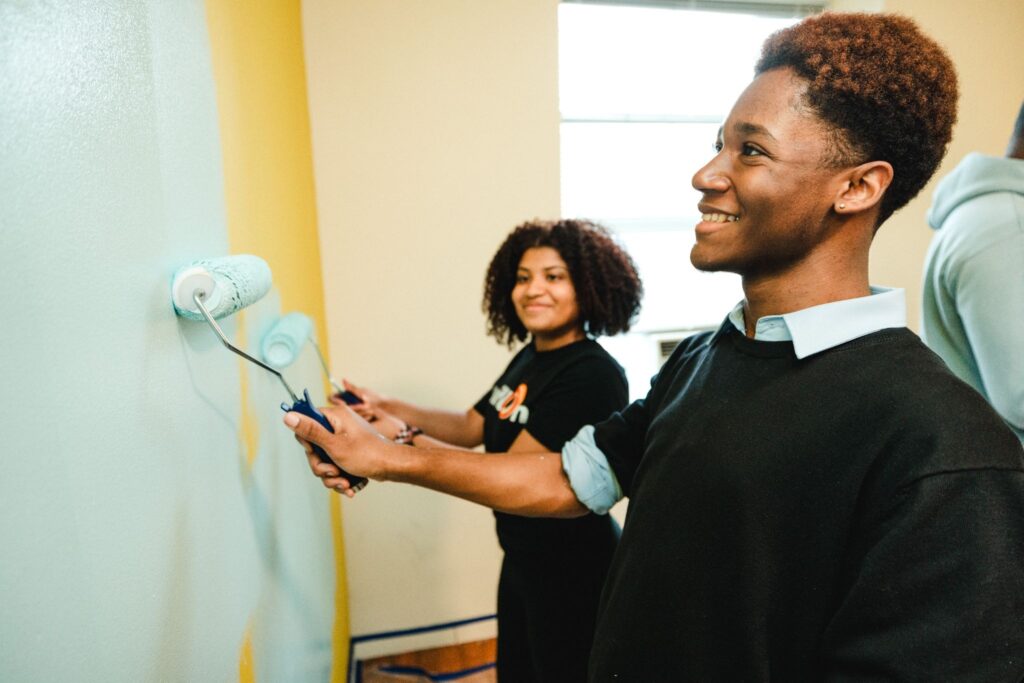
For years, buildOn believed service transformed students. Now there’s comprehensive independent research to prove it.
A four-year study conducted by researchers at New York University examined more than 1,700 students across 20 Bronx high schools.The findings were clear.
Students participating in buildOn graduated at significantly higher rates than comparable peers. They attended school more consistently, experienced lower rates of chronic absenteeism, and were more likely to enroll in college. The study also found that the longer students participated in buildOn, the stronger the outcomes became.
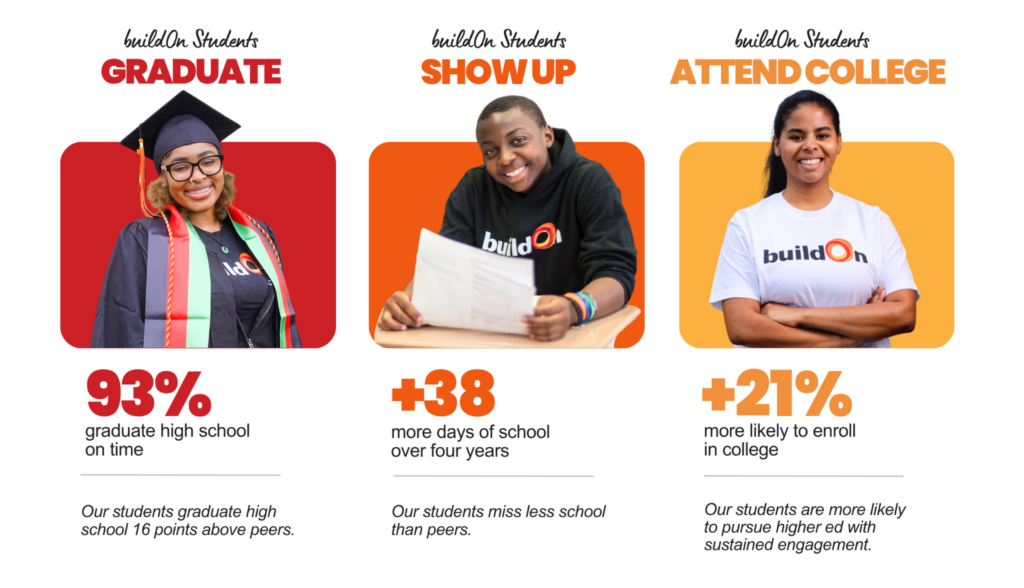
Service didn’t distract students from school. It helped connect them to it.
Why Does Service Make Such a Difference?
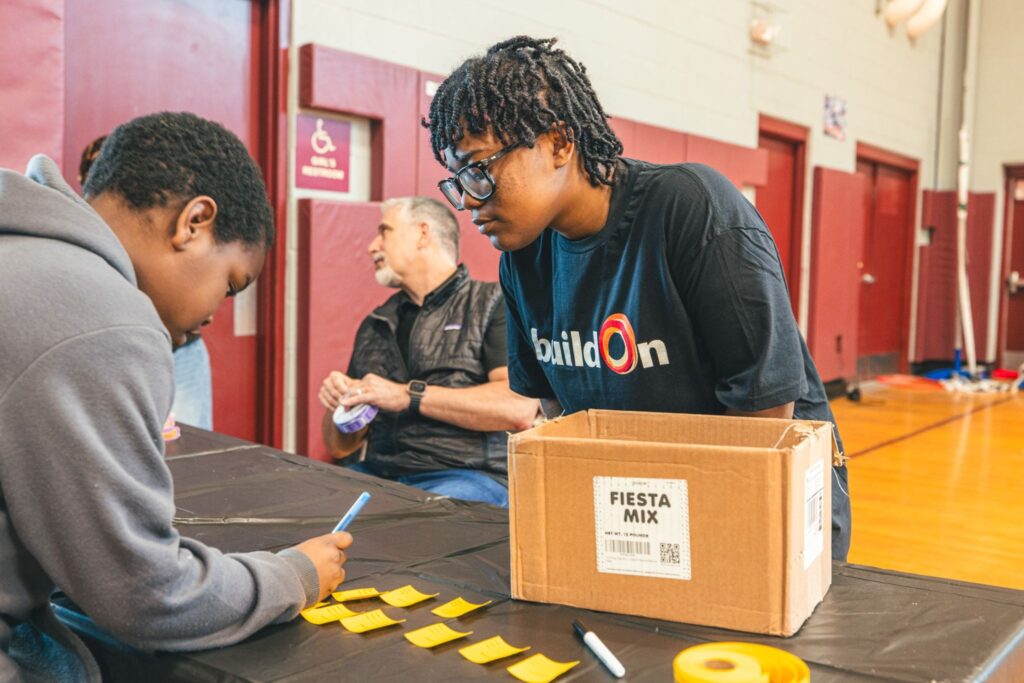
Research increasingly shows that service helps young people thrive.
A recent study by Gallup and The Allstate Foundation found that young people who participate in service are more likely to feel connected to their communities, prepared for future careers, and confident in their ability to overcome challenges. Nearly eight in ten said service strengthened their connection to their community, while more than half said it improved their career readiness. Those benefits became even stronger when young people took on leadership roles in their service experiences.
That sense of purpose often carries into the classroom.
Students become more engaged. They show up more consistently. They gain confidence. They begin to see graduation not as something happening to them, but as something they can achieve.
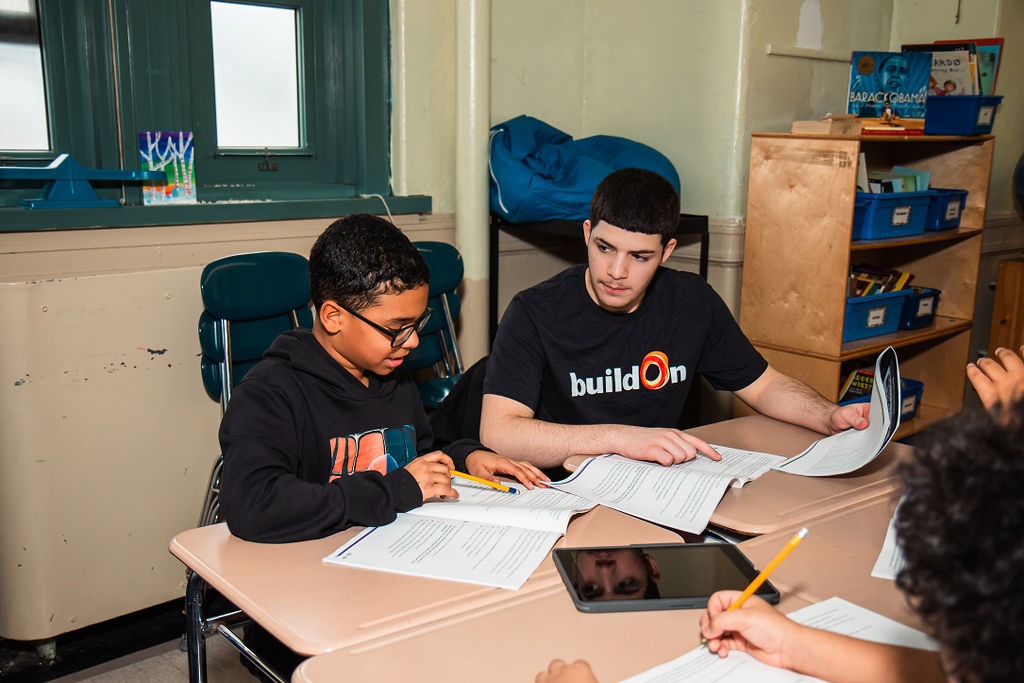
For many buildOn students, service becomes the experience that changes how they see themselves.
The Bottom Line
The dropout crisis is one of the most pressing educational challenges facing the United States. But it is neither inevitable nor unsolvable.
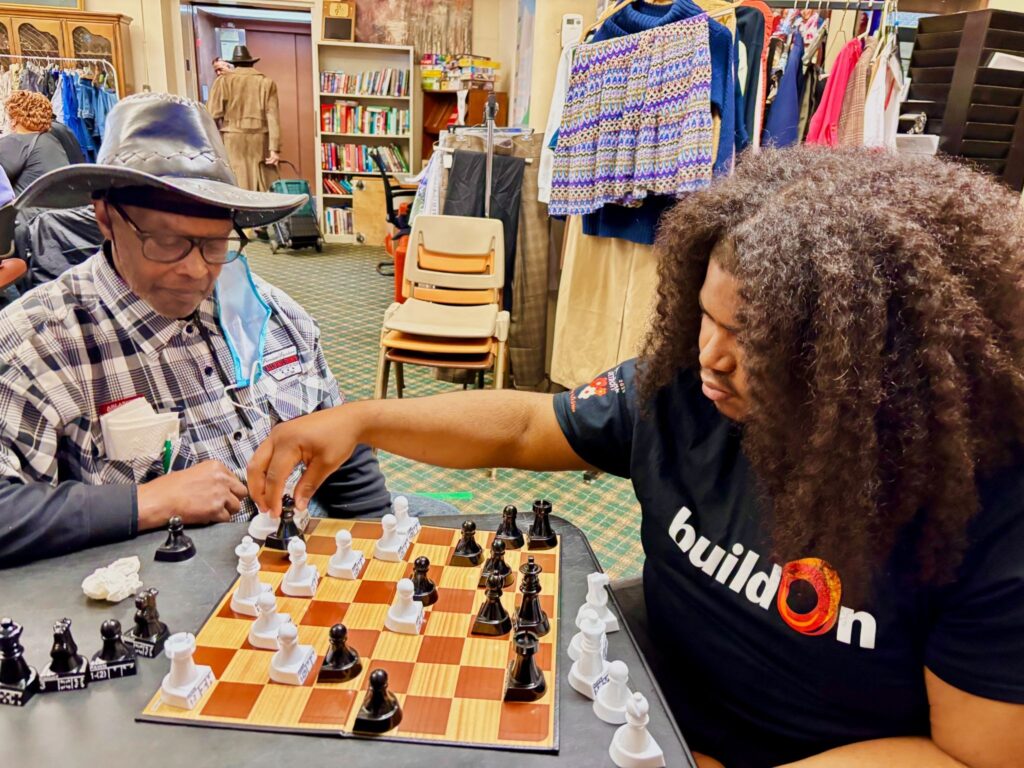
Research shows students are more likely to succeed when they have strong support systems, meaningful opportunities to contribute, and adults who believe in their potential.
That’s exactly what buildOn gives them.
By connecting students to service, leadership, and community, buildOn is helping more young people stay engaged in school, graduate, and pursue brighter futures.
Because when students discover they have the power to strengthen their communities, they also begin to believe they have the power to shape their own future.
Help more students stay in school and discover their potential. Make a tax-deductible donation today to support buildOn’s proven service-learning programs.