

5 Skills Students Learn From Service


Service doesn’t only make an impact on the people receiving help. It makes a similar, if not greater impact on the people doing the service themselves.
According to a nationally representative survey of more than 3,000 young people by The Allstate Foundation and Gallup, 52 percent say service had a positive effect on how prepared they feel for a future career, and 79 percent say it had a positive effect on how connected they feel to their community.
Behind those numbers are specific skills that students build by doing the work of service: planning, speaking, collaborating, and caring about people they might never have met. Read on to learn about five of them and how buildOn’s service-learning programs in the U.S. help students develop each one.
What You’ll Find in This Story
- Five skills students build through service, from leadership to empathy
- How buildOn’s service-learning programs help students develop them, in the classroom and abroad
- What research from Gallup and an independent study in the Bronx show about where those skills lead
1. Leadership Skills
Gallup’s research shows that the greatest benefits of service show up among young people who engage deeply or take on leadership roles. Leading a service project means setting a goal, bringing other people along, and following through, the same abilities students use later in classrooms, workplaces, and community groups.
In buildOn’s U.S. programs, students take on leadership roles within their own chapters, from helping plan service projects to serving on leadership teams. Those roles give students hands-on practice organizing people and projects.
2. Communication Skills
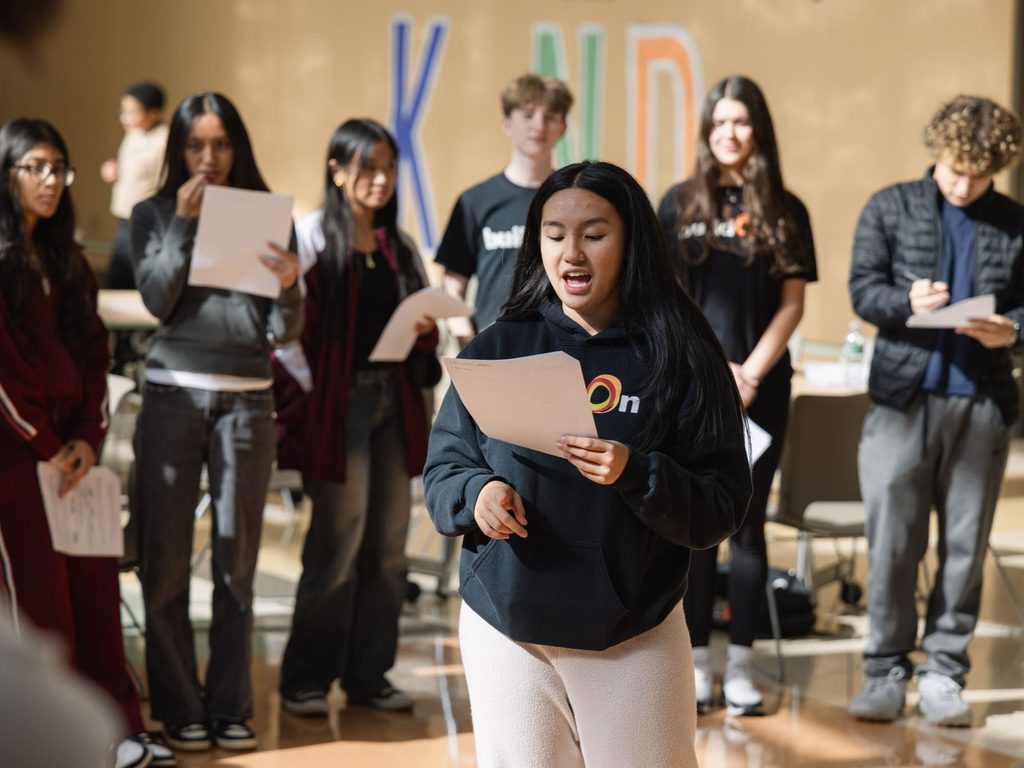
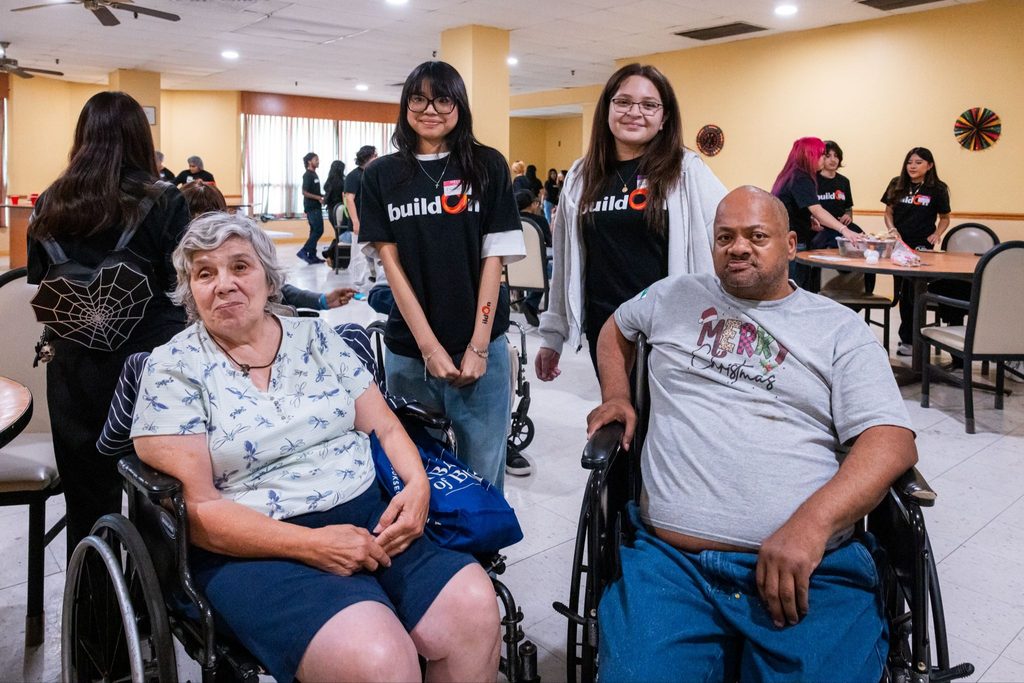
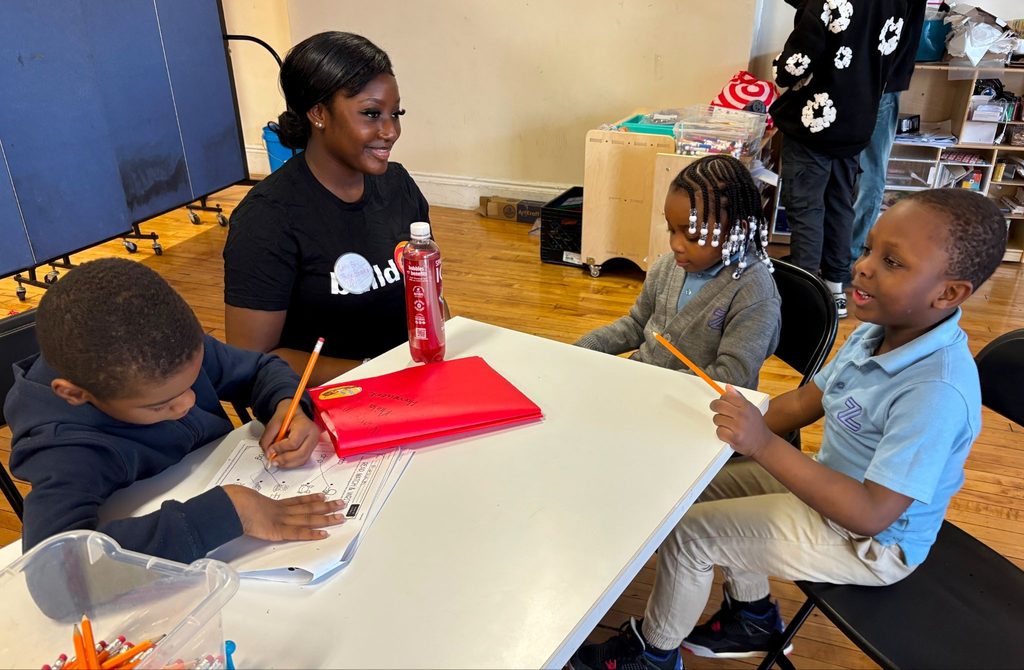
Service puts students in front of audiences they don’t usually meet in a classroom and expands their communication skills. Many buildOn students tutor children at under-resourced elementary schools, where explaining a lesson clearly to a younger student builds communication, leadership, and empathy at once. Students also frequently serve at senior centers, where connecting with someone from another generation takes patience and good listening.
3. Teamwork
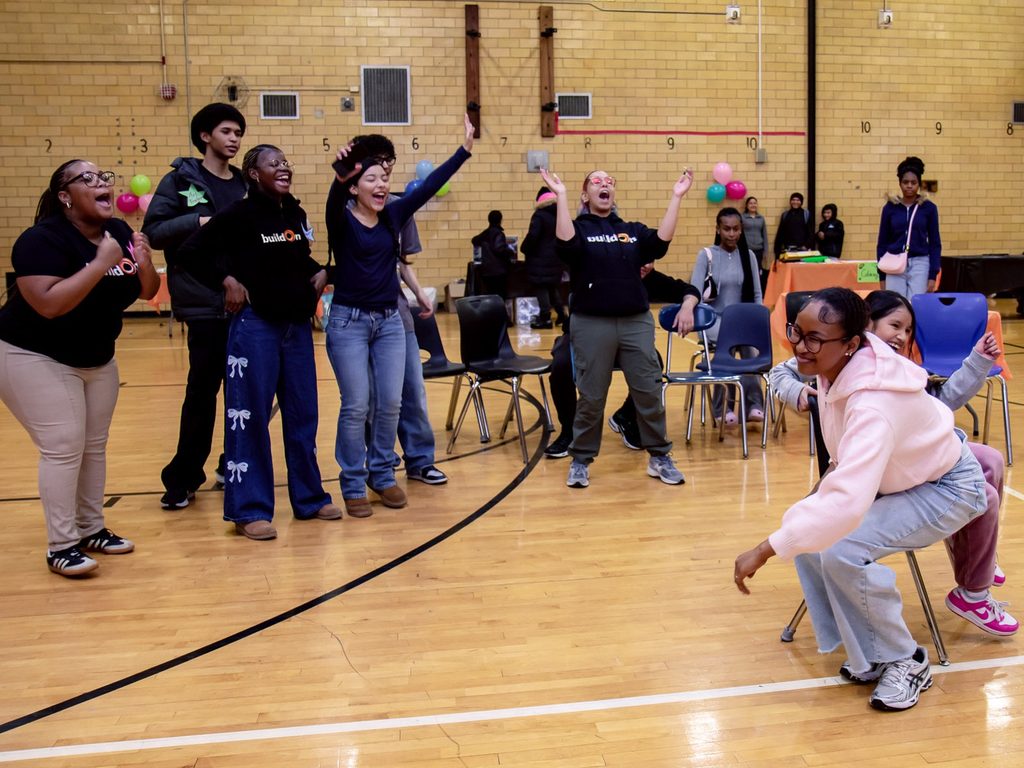
Service projects depend on more than one person by design. buildOn students organize food drives, build community gardens for local food pantries, and prepare meals at homeless shelters. Every one of those projects needs people to divide the work, trust each other, and adjust when something changes.
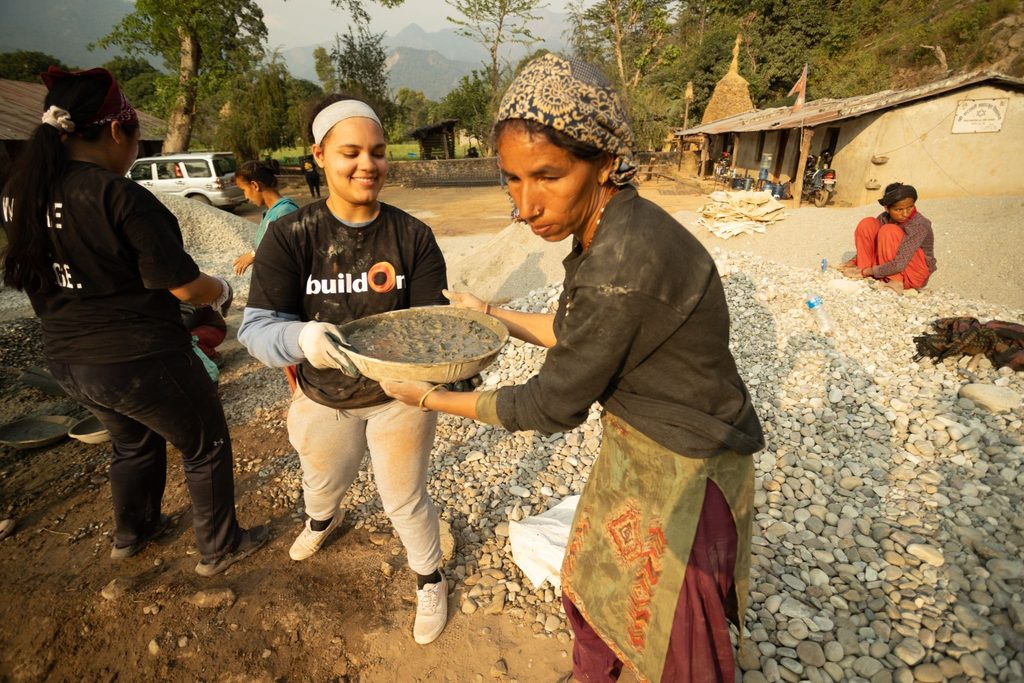
On Trek, buildOn’s global service-learning experience, teamwork extends beyond a student’s own classmates and community. For up to ten days, students live and work alongside host families in rural villages, digging foundations, making bricks, and mixing concrete together with the parents whose children will use the school.
4. Problem-Solving Skills
Problem-solving is hard to practice from a textbook alone. Service asks students to figure out what is actually wrong, decide what is within their reach, and work with other people and limited resources to try to figure out a solution.
buildOn’s service-learning curriculum starts with the issues students face in their own communities, then helps them discover how to take action. Students choose a problem, plan a response, and figure out what to do when the first plan doesn’t work, a process that builds problem-solving and adaptability.
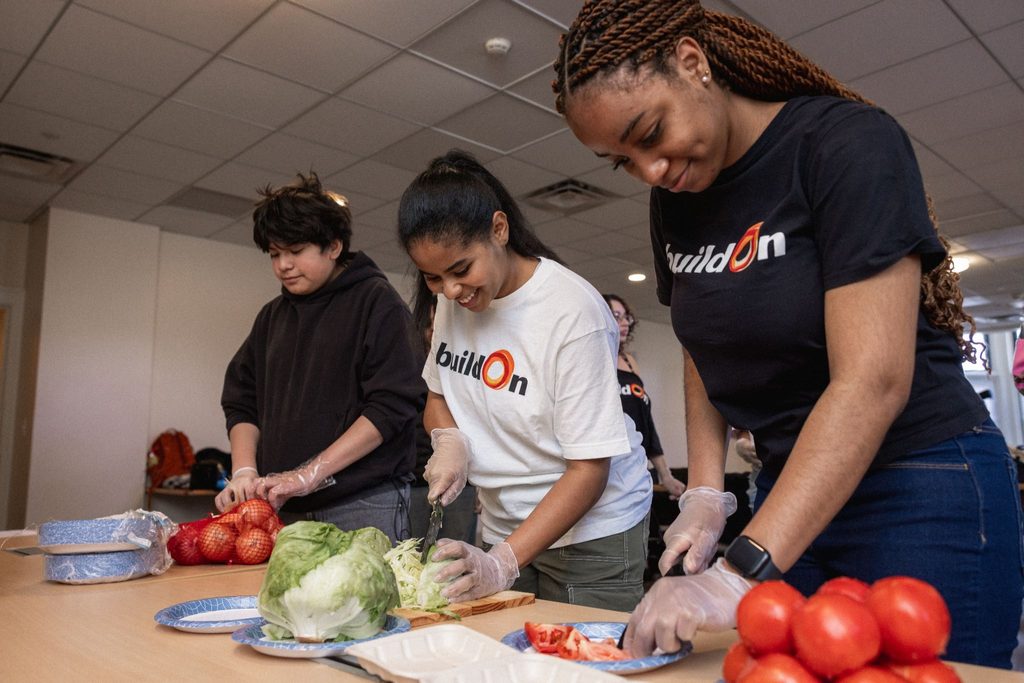
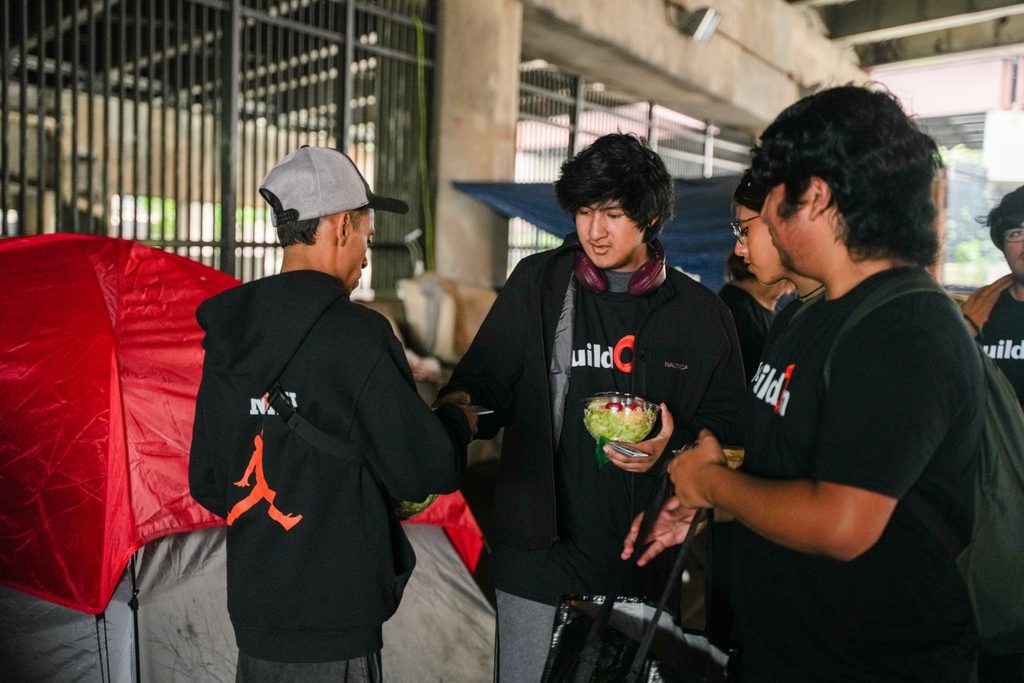
In Chicago, for example, buildOn students learned about nutrition and the barriers to accessing healthy food, then made salads and handed them out directly to unhoused neighbors in Pilsen. Taking on a problem like that means first understanding it, then working out what’s needed, who can help, and how to get it done.
5. Empathy
Empathy grows from spending time with people whose lives look different from your own. Through tutoring, visits with seniors, and neighborhood service projects, students develop empathy and a greater awareness of the issues their communities face.
Trek deepens that understanding by putting students in a community where they are the guests. Working beside neighbors, sharing meals, and forging relationships over the course of a school build gives students a view of education and opportunity that a textbook can’t, and students return home with a deeper commitment to education and a greater sense of possibility for their own lives.
Where Do These Skills Lead?
Skills like these are harder to measure than a test score, but researchers have started to track what happens when students build them. In the Gallup survey, young people with service experience were more likely to say they can handle whatever comes their way (66 percent, compared with 52 percent of those without service experience).
buildOn’s own research points in a similar direction. A 2026 study of buildOn’s service-learning program in the Bronx, independently validated by two NYU researchers using official New York City Public Schools records from 1,774 students across 20 schools, found that buildOn students attend school more often than their Bronx peers, graduate on time at higher rates, and enroll in college at higher rates. Over four years, the attendance difference adds up to more than seven weeks of extra instructional time, and the more hours students spent in service, the stronger the results.
Those findings are specific to buildOn’s work in the Bronx, but they offer a look at how skills built through service can carry back into the classroom that applies to our other regions as well.
Where We’re Building Through Service
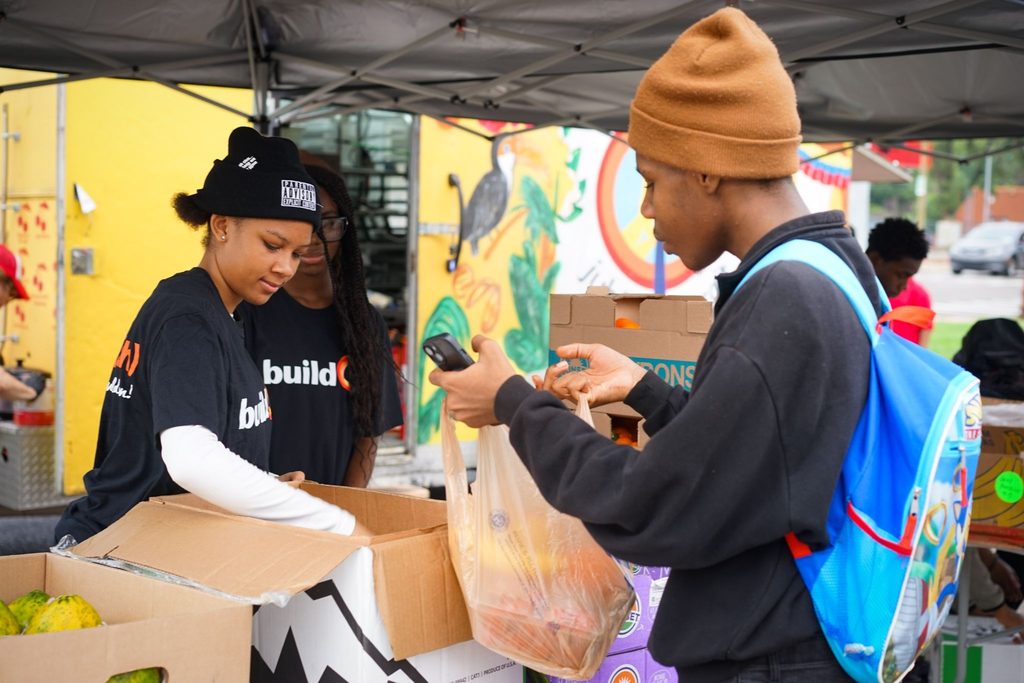
buildOn engages more than 12,000 students in 38 under-resourced high schools across five U.S. regions: Boston, Bridgeport, Chicago, Detroit, and New York City. Students in those programs have contributed more than 2.6 million hours of service to their local communities, and each of those hours is practice in leadership, communication, teamwork, problem-solving, and empathy.
Every one of those skills starts the same way: a student notices something in their community that needs attention and decides to act on it. The skills grow from there.
Want to follow how service is shaping student leaders? Sign up for buildOn updates.
If you want to help support students across the U.S., consider making a tax-deductible donation to support buildOn’s work today.