

Chronic Absenteeism: What It Is and What Actually Helps


Every year, millions of students miss so much school that they fall behind their peers before the year is over.
It’s called chronic absenteeism: missing 10 percent or more of the school year, excused or not. Right now, it’s one of the most pressing problems in American education.
Nearly one in four U.S. students met that threshold in 2025–26, according to an analysis published in the Washington Post. Six years after the pandemic first disrupted classrooms, the numbers still haven’t recovered.
The good news? Some schools are turning it around. And the data on how they’re doing it points to something buildOn has believed for more than 30 years.
What You’ll Find in This Story
- Why chronic absenteeism is still so high, six years after the pandemic
- What’s actually working in the districts making progress
- What data from buildOn’s Bronx programs show about why students show up
Why Is Chronic Absenteeism Still So High?
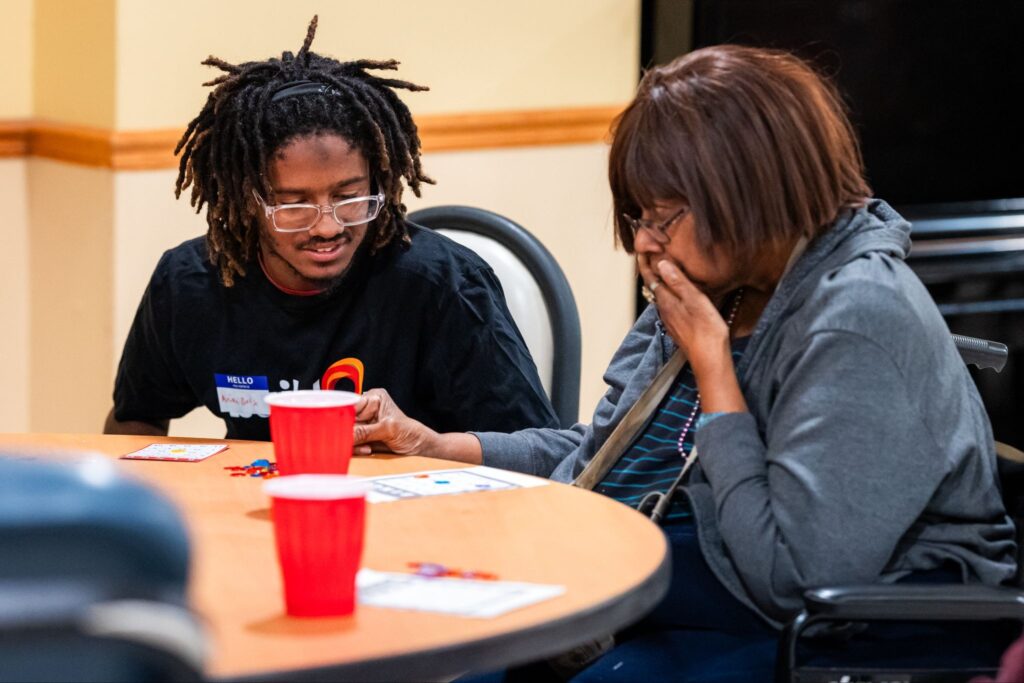
Part of the answer is learning loss. Research from NWEA, using data from more than 2,000 U.S. school districts, has found that students who miss the most school are also the students recovering the slowest from pandemic-era setbacks. Absence and achievement feed each other. The further behind a student falls, the harder school becomes to walk back into.
Progress also varies across different parts of the country. In New York City, where buildOn runs programs in the Bronx, chronic absenteeism dipped slightly to about 33 percent in 2024–25, down from 34.8 percent the year before, still far above pre-pandemic levels. In Illinois, home to our Chicago programs, the rate has declined for three straight years but remains high at 25.4 percent, down from a pandemic peak of nearly 30 percent.
Small steps. But there’s still a long way to go.
Stay Connected with our Global Movement


Is Anything Actually Working?
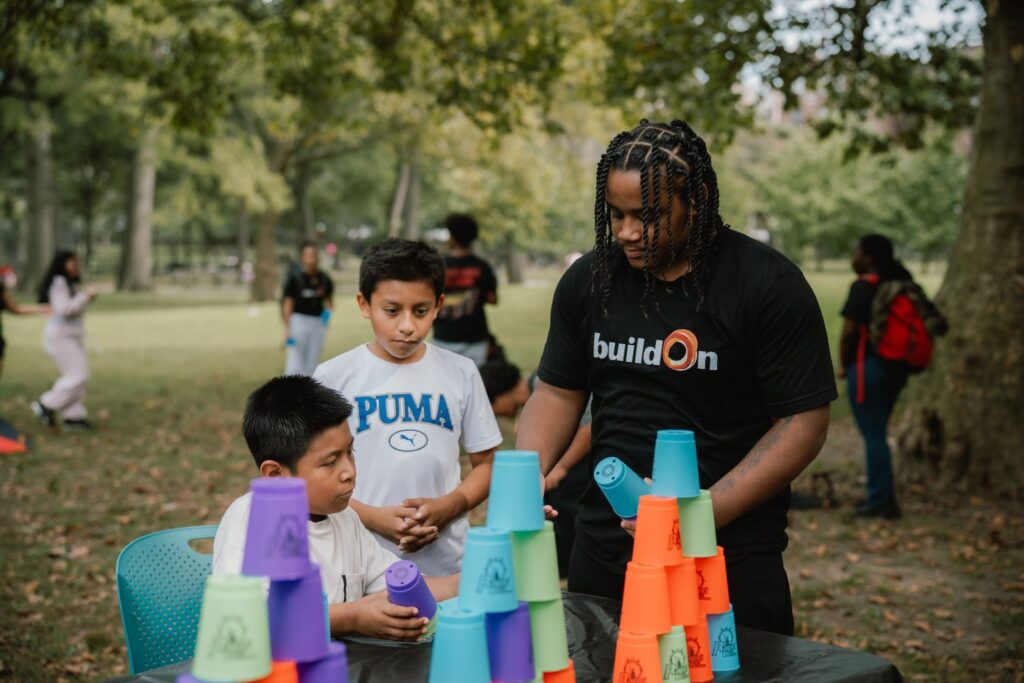
Some districts are seeing real progress. A 2025–26 analysis of 142 school districts and 1.1 million students, conducted by SchoolStatus, found that chronic absenteeism fell to 20.29 percent, a 6.2 percent drop from the year before, in districts that focused on a few strategies:
- Reviewing attendance data regularly
- Reaching out to families early and often
- Sending proactive messages home before an absence becomes a pattern
None of that is complicated. It just needs to be done consistently.
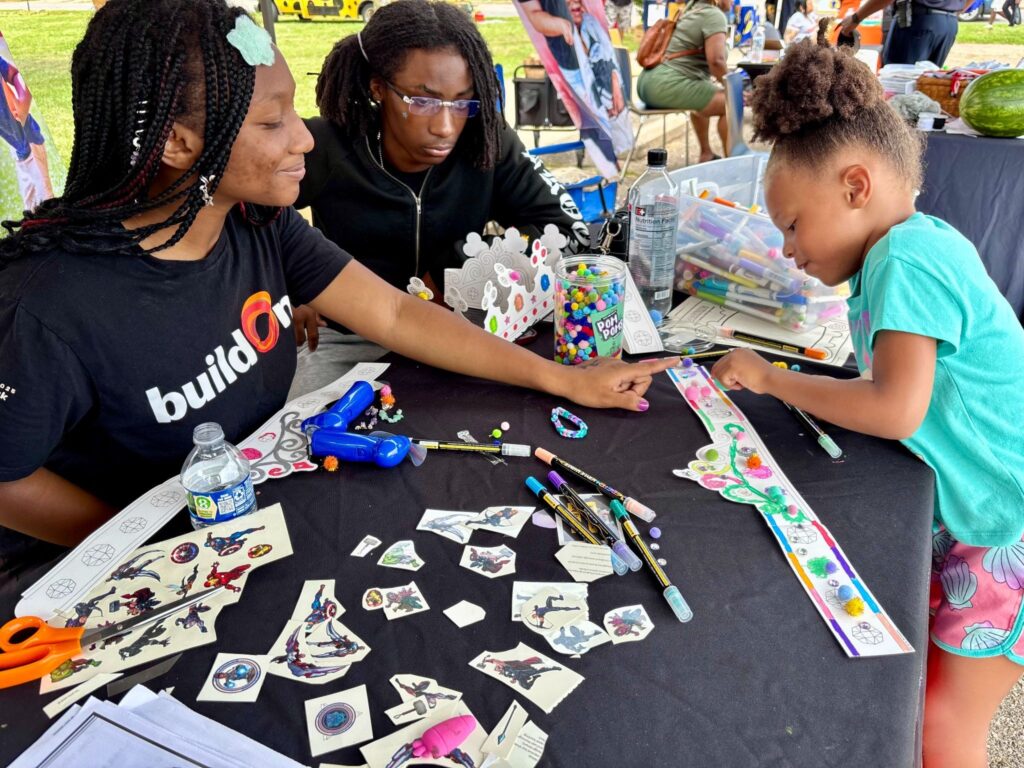
That same idea, showing up for kids so they show up for school, has been a hallmark of buildOn’s work in under-resourced schools in Boston, Bridgeport, the Bronx, Detroit, and Chicago.
What Does buildOn’s Bronx Data Show?
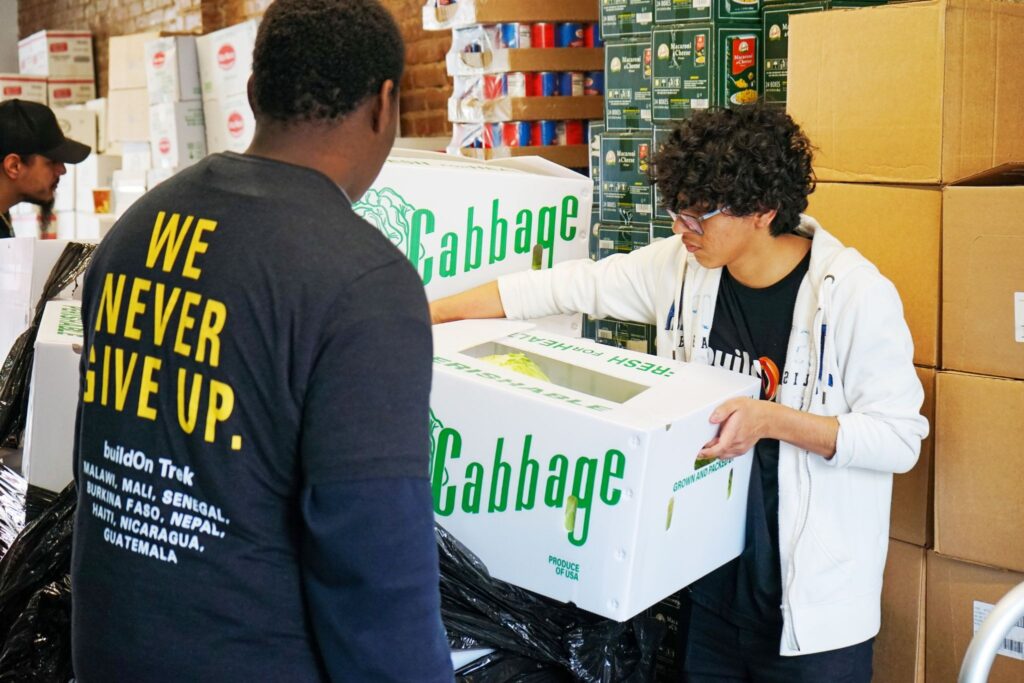
We’ve run service-learning programs in the Bronx since 1993, in schools where nearly 90 percent of students live in poverty.
This year, that work was put through one of the most rigorous evaluations a nonprofit program can get. Two NYU researchers, Dr. Thomas Gold and Dr. Ying Lu, independently validated a four-year study of 1,774 students across 20 Bronx high schools. The study used official NYC Public Schools records and a matched comparison design that meets What Works Clearinghouse Tier 2, the federal gold standard for program evaluation.
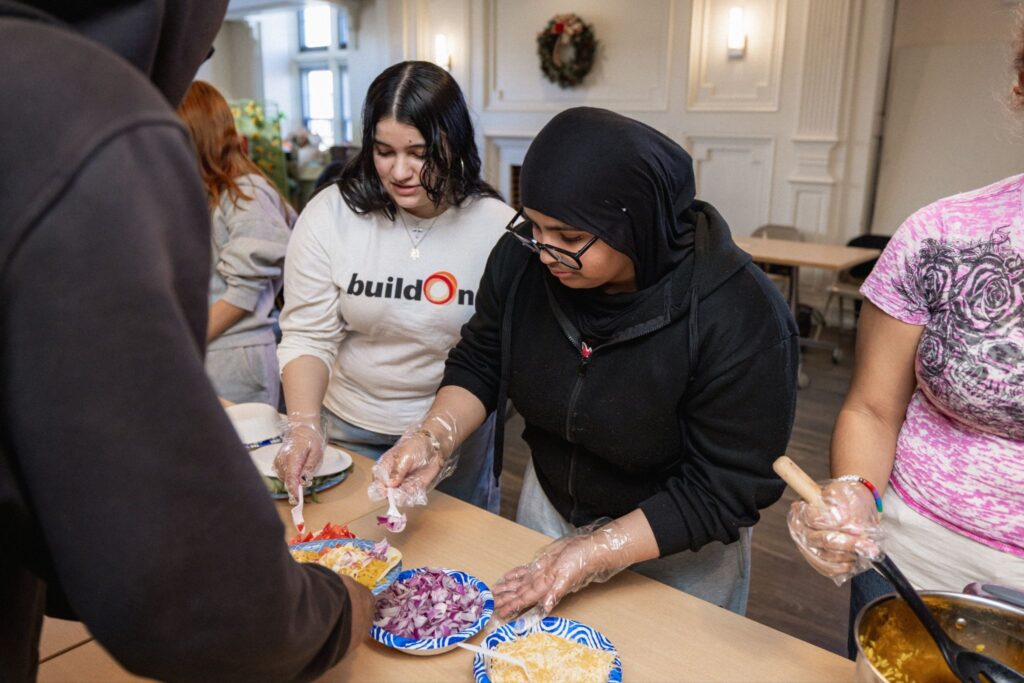
buildOn students were matched with similar peers: same school, same demographics, same academic starting point. They still came out ahead.
Over four years, buildOn students attended school consistently enough to gain 38 additional days in the classroom. That’s almost a fifth of a full school year.
The effect held up after accounting for poverty, English language learner status, and disability status. It held up across race, gender, and background. And it more than held up over time: the longer students participated, the stronger their outcomes became.
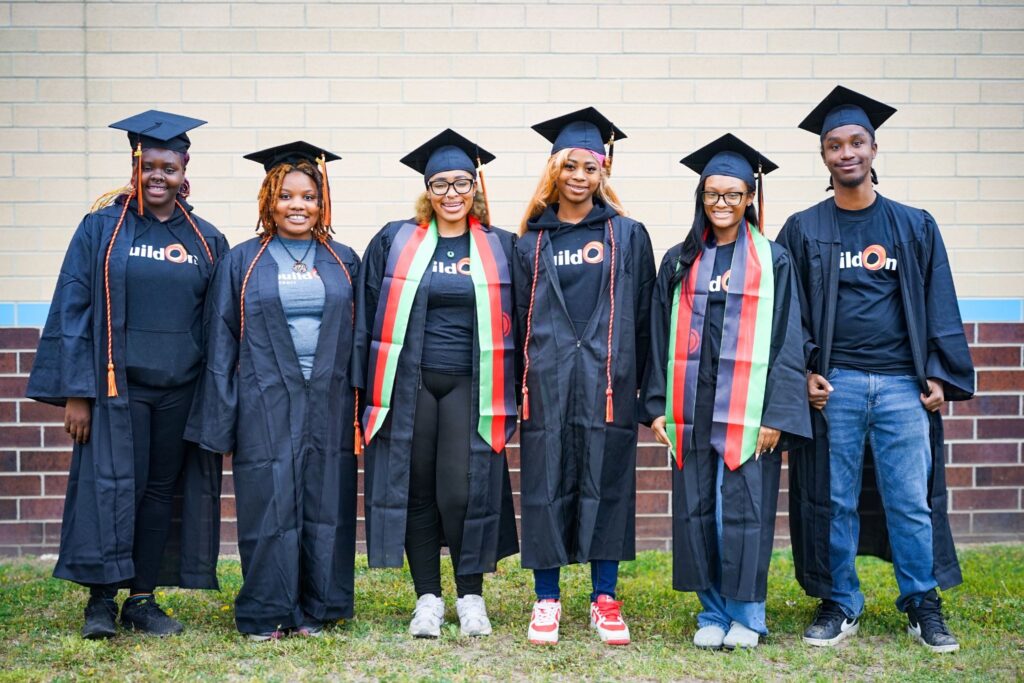
buildOn’s Bronx students also graduate high school at a rate of 93 percent, 16 points higher than their peers. 70 percent enroll in college afterward.
Why Does Service Make Such a Difference?
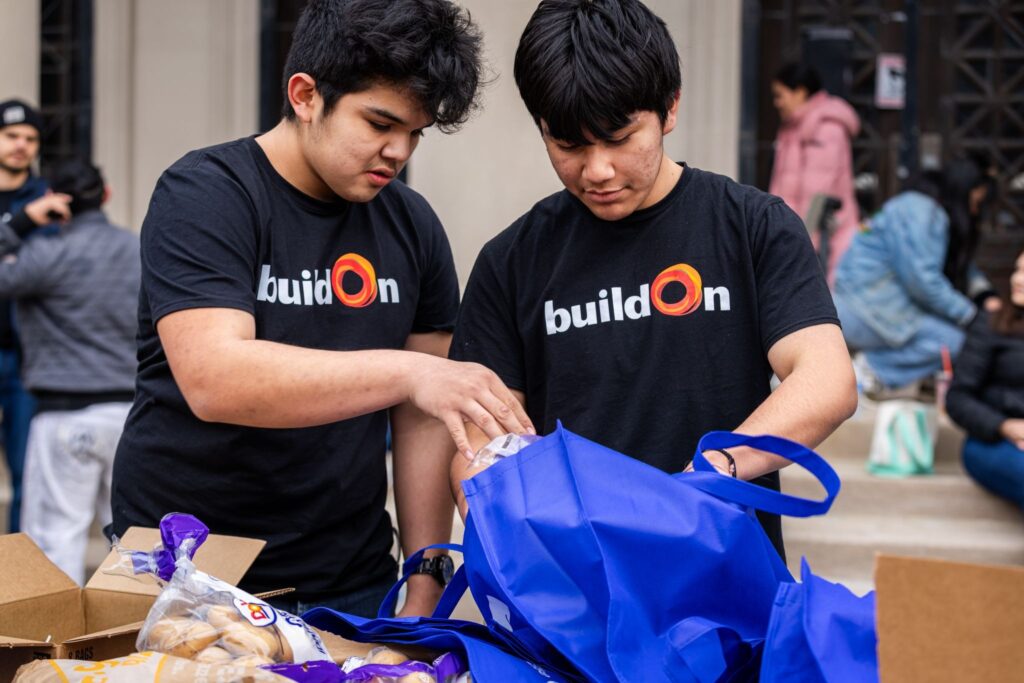
Attendance data explains what’s happening. It doesn’t fully explain why.
Research from Gallup and The Allstate Foundation offers a clue. Their study found that young people who take part in service are more likely to feel connected to their communities, more confident in their own abilities, and better prepared for their future careers. Nearly eight in ten said service strengthened their connection to their community. More than half said it improved their career readiness. Those effects grew stronger for students who took on leadership roles.
That tracks with what buildOn sees in the schools we work in every day.
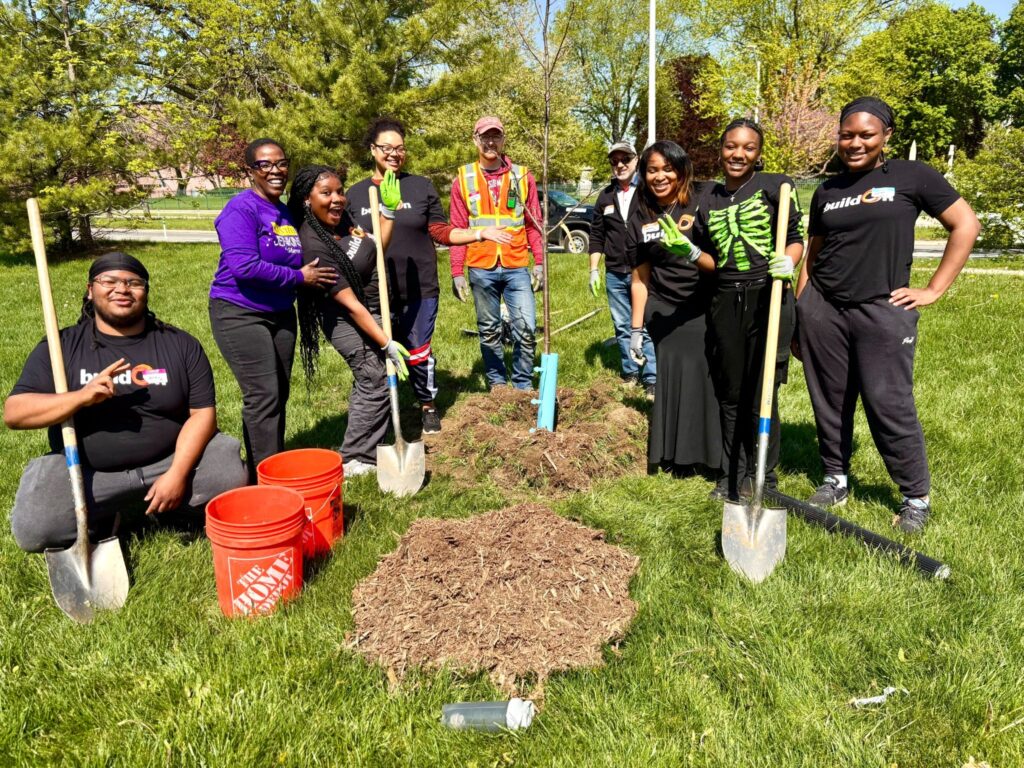
Students who serve their communities—tutoring younger students, working alongside neighbors, and leading their own service projects—start to see themselves differently. Not as students who need to be tracked down, but as people their community can count on.
Service and community become a reason to show up.
Vanessa, a Senior at MLK High School in Detroit, recently spoke to the impact buildOn’s service learning program has had on her before the Michigan House of Representatives.
“There were a lot of challenges at home. I’d been kicked out of my home several times and told by the people that are supposed to love me that I’m stupid and I should just drop out of school. At home, I didn’t always feel wanted,” she explained, “But with buildOn, people wanted to see me. I’ve made friends with students all across the city and we’ve created community and that matters. buildOn reminded me that I matter. It gave me space to find my own power. Serving children and elders gave me purpose.”
“buildOn helped me grow into someone who doesn’t give up,” she added. “I’m not just getting through the day anymore, I’m building something bigger.”
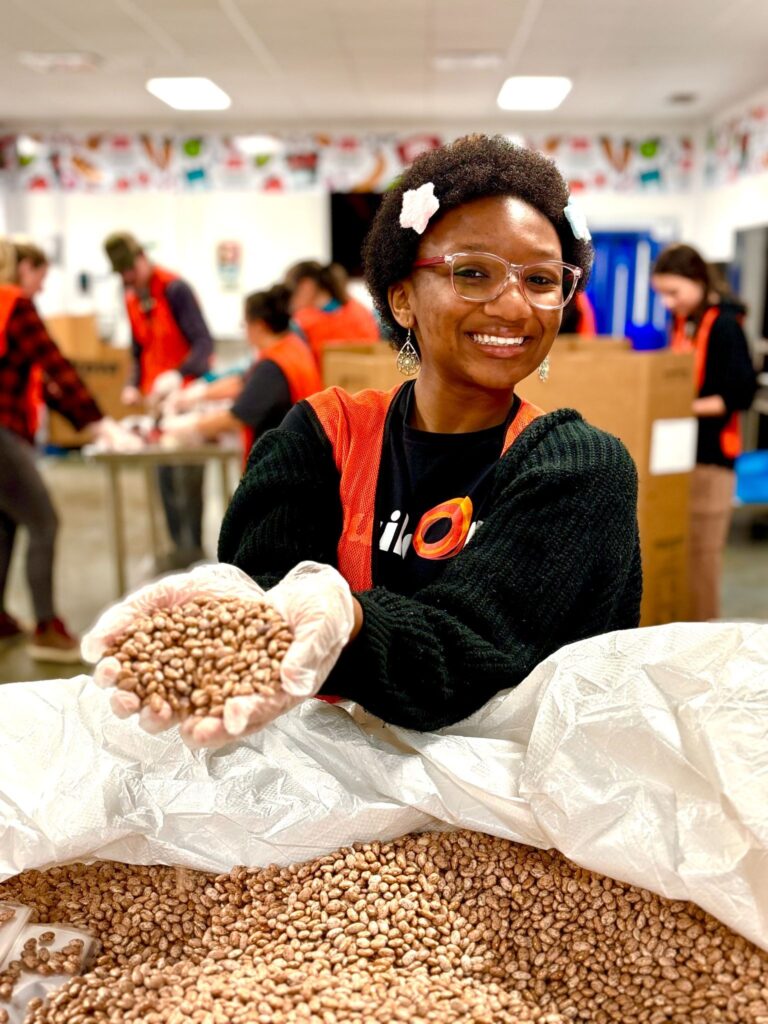
“I’ve made friends with students all across the city and we’ve created community and that matters. buildOn reminded me that I matter. It gave me space to find my own power. Serving children and elders gave me purpose… I’m not just getting through the day anymore, I’m building something bigger.”
Vanessa, Senior, MLK High School, Detroit
The Bottom Line
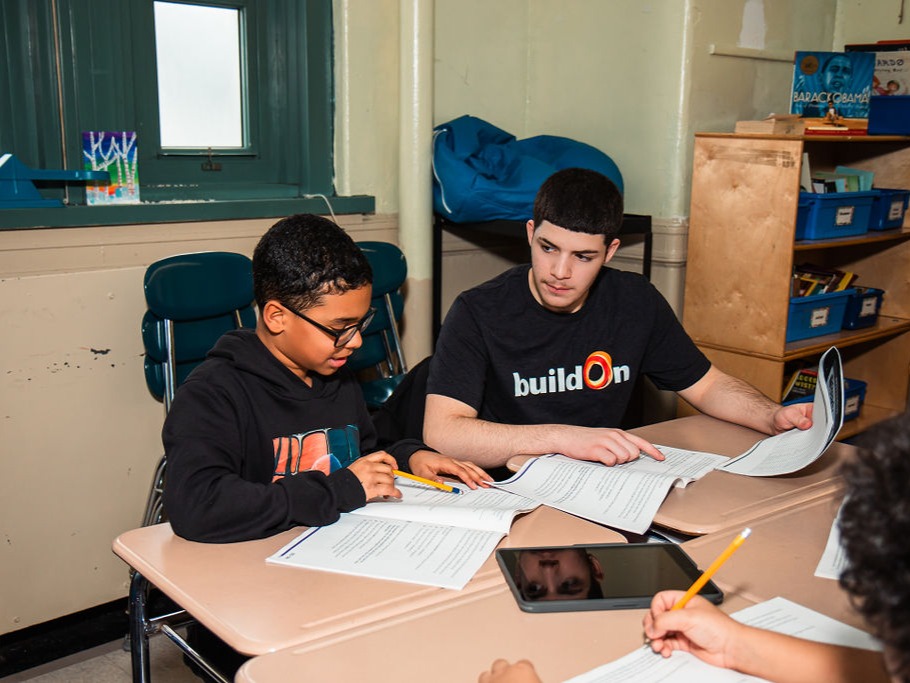
Chronic absenteeism isn’t caused by one thing, and it won’t be solved by one program.
But the data keeps pointing in the same direction: students show up more when they feel like they belong somewhere, and when someone shows up for them, too.
That’s the belief buildOn’s programs are built on nationwide: show up for students consistently enough, and they’ll show up for school. In the Bronx, the data now backs it up: seven extra weeks of instructional time over four years, for students who live in poverty at some of the highest rates in the country.
That’s not a small thing. That’s the difference between a student who graduates and one who doesn’t. Between a student who goes to college and one who doesn’t. Between a student who builds a better life and stronger community and one who doesn’t.
Want to stay on top of our work in the U.S. and around the globe? Sign up for buildOn emails today.
If you want to help combat chronic absenteeism across the U.S., consider making a tax-deductible donation to support buildOn’s work today.