

From Gold Mines to Classrooms: Combatting Child Labor in Mali


In Mali, thousands of children spend their days in artisanal gold mines instead of school. They work long hours in dangerous conditions—washing mud, carrying loads, and inhaling toxic dust—just to earn a few dollars a day. According to Human Rights Watch, mercury exposure from gold mining is widespread, and injuries and deaths among children are tragically common.
But in one rural community, Badiambougou, that cycle is beginning to change.
The Harsh Reality of Child Labor in Mali
Across West Africa, artisanal gold mining has become both a lifeline and a trap for families living in poverty. In Mali alone, an estimated 20,000-40,000 children are involved in small-scale mining operations. Many of them start as young as six years old.
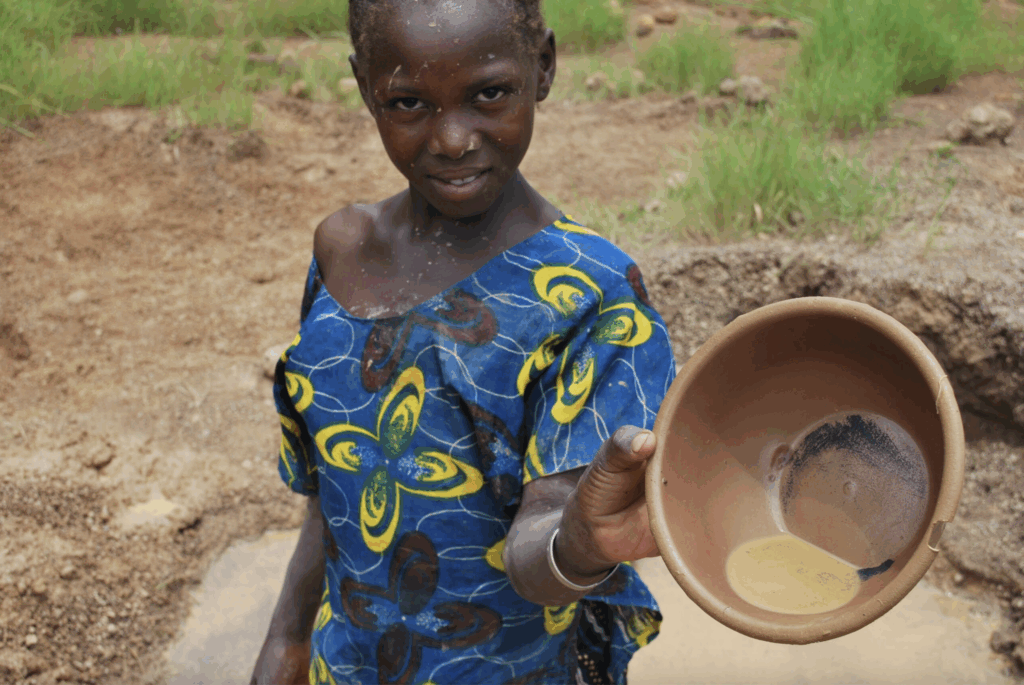
The dangers are clear:
- Health risks: Exposure to mercury, smoke, and dust can lead to life-threatening illness.
- Injuries and fatalities: Accidents are common, from collapsing pits to violence on worksites.
- Lost childhoods: Children working in mines are denied education, leaving them trapped in poverty.
Meet Bibatou
One student, 14-year-old Bibatou Kone, spent four years panning for gold. “Gold panning is a risky job, especially for children like me,” she explains. “It was very tiresome, boring, and dangerous.”
“Being out of school was like being out of the children’s world. I watched the other children go to school while I worked and it made me feel sad and worried about my future and my dreams,” she adds. “All I wanted was to go school, study, to uplift my parents, and my community.”
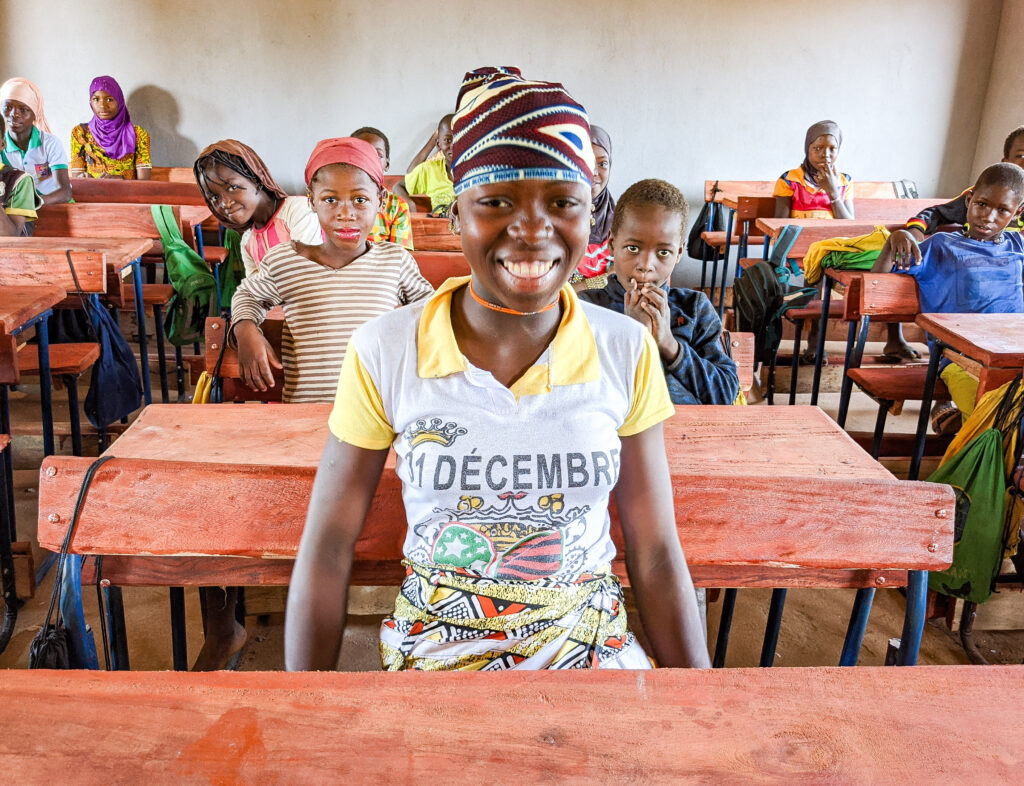
Like many children, Bibatou dreamed of going to school but instead worked five hours a day in the mines, walking almost 4 miles to reach the mining site. Her earnings, about 5,000 CFA ($9) a day, were never enough to outweigh the risks or the opportunities lost.
“All I wanted was to go school, study, to uplift my parents, and my community.” —Bibatou Kone
Why Families Turn to Mining
For many parents, sending children to the mines is not a choice, but a matter of survival. Families face deep poverty, food insecurity, and a lack of access to quality schools. Without strong enforcement of child labor laws and with few alternatives for income, children are often seen as contributors to household survival.
Bibatou’s father, Abdoulaye, admitted he feared for his daughter’s safety every day. “I risked my daughter’s life when I let her work to pan gold,” he said. “I worried about her security.”
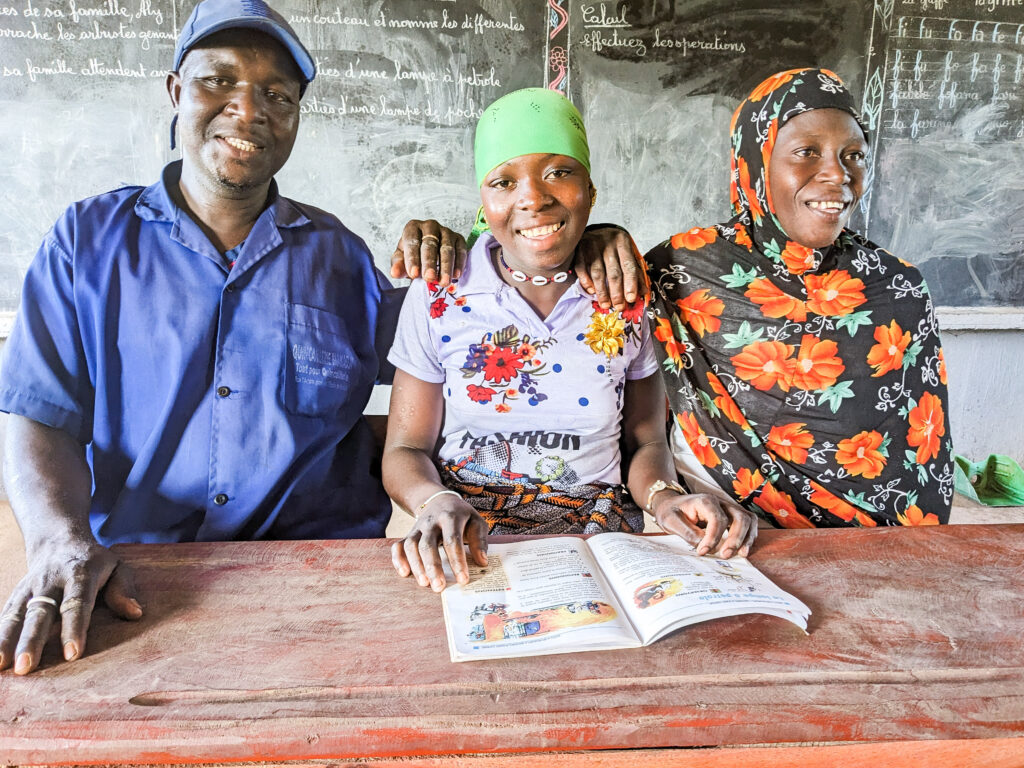
Despite knowing the risks, Abdoulaye and many other parents in Badiambougou sent their children to work in the mines. “It’s due to the poverty in our community,” he says, explaining that a chance to bring in a little extra money was too hard to pass up. “People placed a low value on children’s education.”
Education as the Way Out
buildOn is helping change this reality by constructing permanent schools in Mali. These schools not only give children a chance to learn but also provide parents with a compelling reason to pull their children out of the mines.
The strategy includes:
- Building schools in rural communities where mining draws children away.
- Raising awareness among parents about the dangers of mining and the benefits of education.
- Offering literacy classes for adults so parents can better support their children’s schooling.
- Providing catch-up classes for children who have dropped out, giving them a second chance.
- Supporting income-generating activities to reduce families’ reliance on child labor.
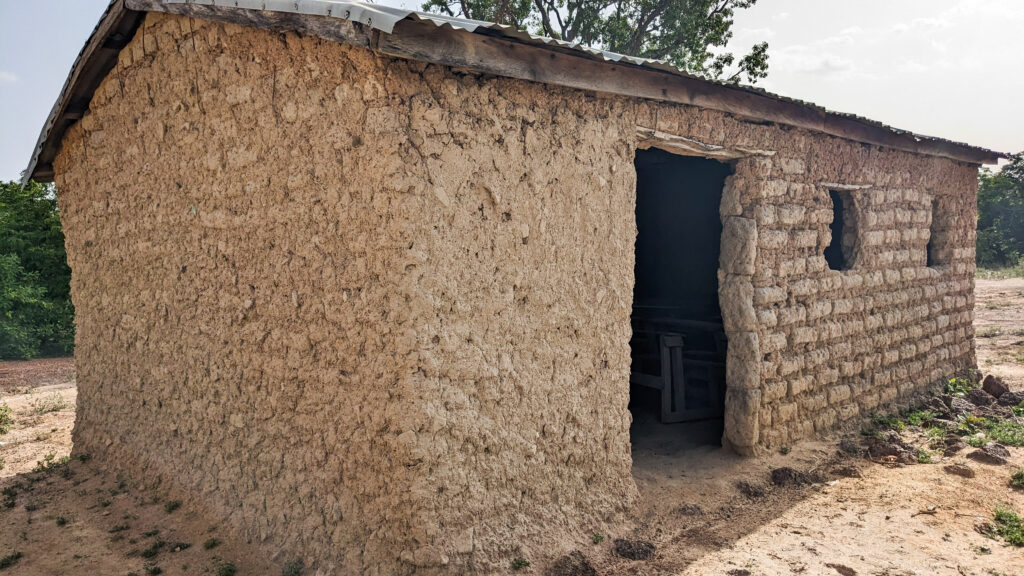
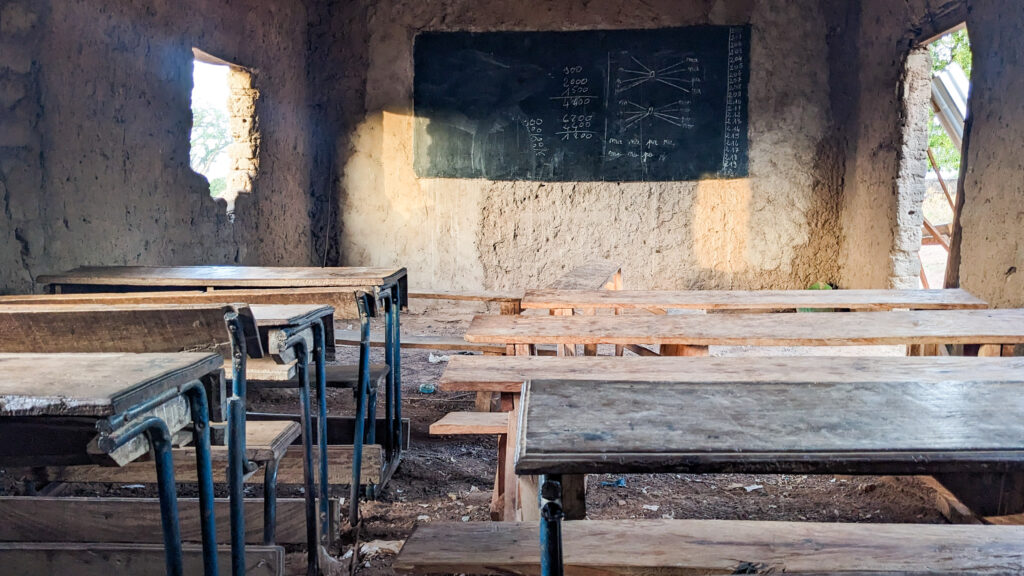
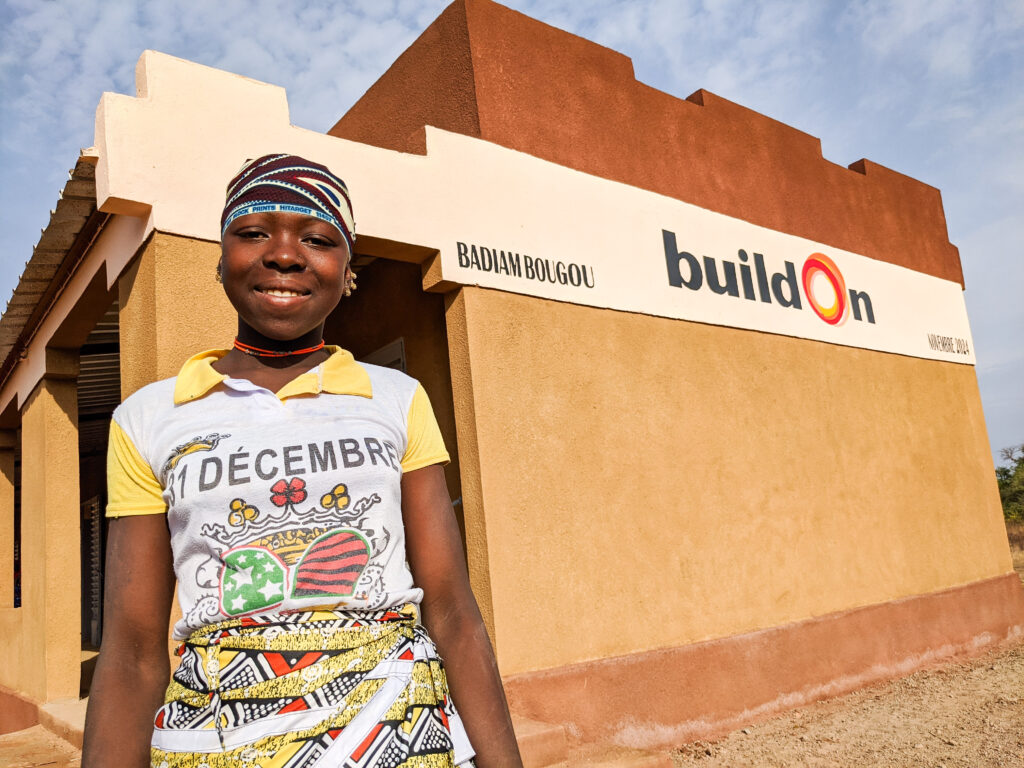
In Badiambougou, one of the major factors keeping students like Bibatou out of the classroom was the village’s small school building, with its dirt walls and crumbling mud-brick walls. When buildOn got involved in the community, that was the first thing we fixed, working alongside the community members to build a brand new, state-of-the-art school.
Then, we launched our Enroll Program in the village to get students who had previously dropped out back into the classroom. Just one month after the program started, Bibatou found the courage to walk into the school and start taking catch-up classes. “I was very happy. It was like a dream coming true,” she said. “Now I feel hope and courage to study to pursue my dreams.”
A Future Beyond the Mines
Now back in the classroom, Bibatou’s dream is clear: she wants to become a doctor. “I want to treat sick people,” she says. She also wants to expand access to education across Mali. “I will make sure all the children in my community go to school, and help bring education to every corner of my country.”
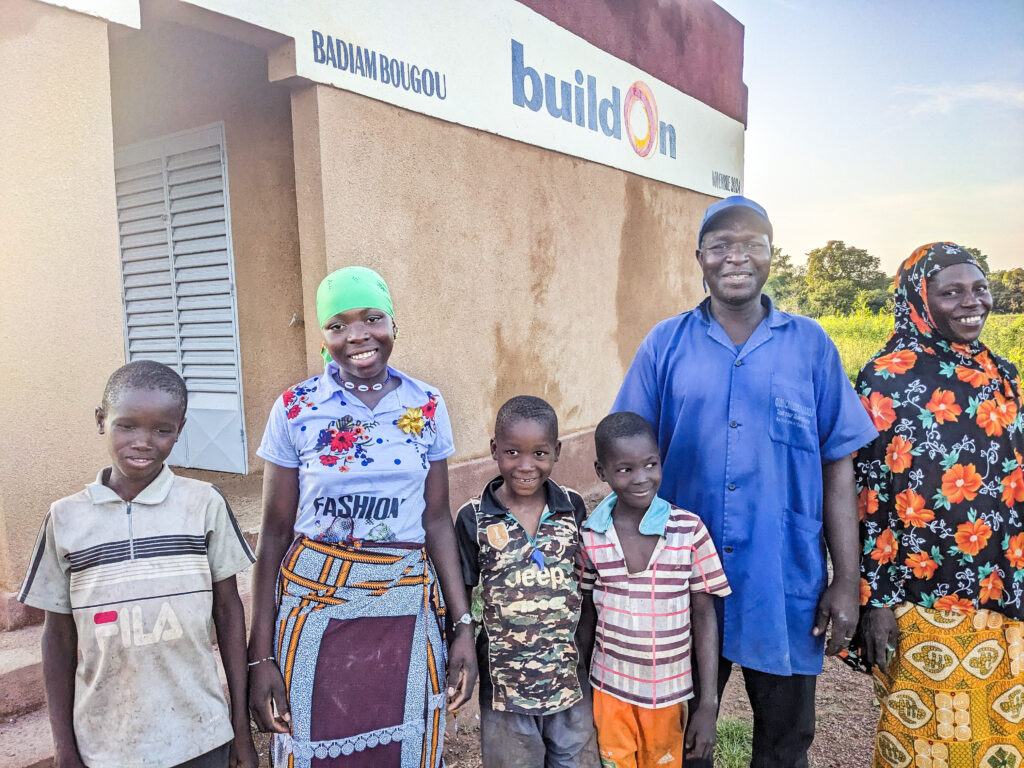
Her father’s dream matches hers: “My dream for my daughter is that she finishes her studies and becomes a very important person dedicated to the development of our community and our country.”
When children are given the chance to learn instead of labor, amazing things happen. And that’s worth more than gold.
Want to help build better futures for other children like Bibatou? Consider making a tax-deductible donation to support our transformative work.