

How to Build a School in a Low-Income Country


You want to build a school. Maybe you’ve seen the need firsthand while traveling. Maybe you’re passionate about education. Or maybe you just want to take on something that will leave a lasting mark.
The truth is, building a school in an economically-developing country isn’t something you can do on your own. It takes local knowledge, community leadership, resources, and a plan for sustainability. That’s where buildOn comes in. For over thirty years, we’ve partnered with rural communities across the globe to build thousands of schools. We don’t build schools for these communities, we build them with them, creating a ripple effect that transforms lives.
We build schools in some of the world’s most economically disadvantaged countries—from Senegal to Nepal and Guatemala. Our schools are attended by hundreds of thousands of children, parents, and grandparents every day. And you can help build one yourself through our Trek program.
When you commit to a Trek with buildOn, you’re not just helping to construct a building. You’re helping to create lasting opportunity. Here’s how it works.
Step 1: Connect with buildOn
Your Trek begins with a conversation. Our staff will walk you through the process, answer your questions, and prepare you for what’s ahead. From the moment you connect, you’ll be supported every step of the way. If you’re already ready to go, fill out this form and our team will contact you to start your Trek journey.
Step 2: Form Your Team
Some participants choose to fundraise with friends, family, classmates, or work colleagues. Others go solo and join an existing team. Either way, you’ll have access to our fundraising tools and tips to engage supporters, track progress, and share updates.
All different types of groups go on Trek. We partner with college groups like Phi Beta Phi sorority, who sent students to Malawi this summer to make an impact alongside their fellow sorority sisters. High school students also go on Trek, like the Bay Area Scouts who took the skills they learned at summer camp to the next level in Senegal.
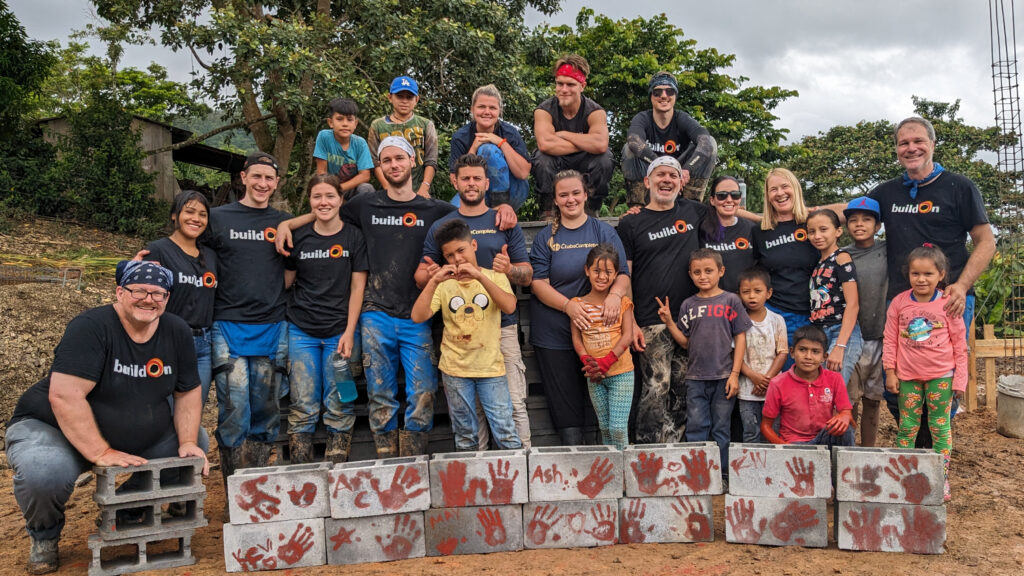
Trek is for coworkers too—companies like PwC and The Fitch Group frequently field Trek teams. Talk about a transformational offsite! It can be a big hit for families as well, whether as an alternative honeymoon for newlyweds or a chance for parents to build a school alongside their kids, like the Helping Hawks team did in Guatemala. Faith-based groups also find Trek to be extremely rewarding. Whatever your team is, you’ll find that Trek strengthens the bonds you already have and helps you build new ones as well.
Step 3: Launch Your Campaign
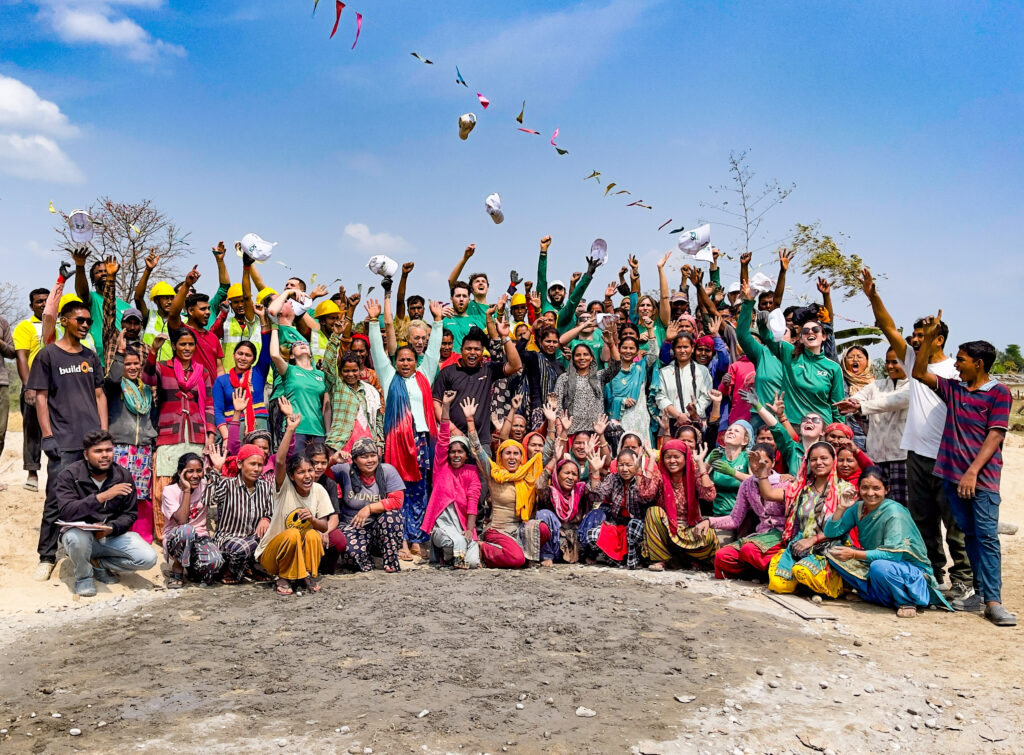
Each school requires roughly $40,000 in funding to construct, a lasting investment that provides generations of students with safe, permanent classrooms. While you fundraise, you’ll also begin learning about the country where you’ll travel, the history of the education crisis, and the incredible strength of the community you’ll soon visit.
We have a wealth of fundraising tips and tricks that we’ve learned over the years. There’s no one correct way to fundraise, and Trek participants have used a wide range of fundraisers to pay for their Treks over the years. Here are just a few!
- Pickleball tournaments
- Bake sales
- Car washes
- Fair trade coffee sales
- Partnerships with local restaurants
- Karaoke contests
- Raffles
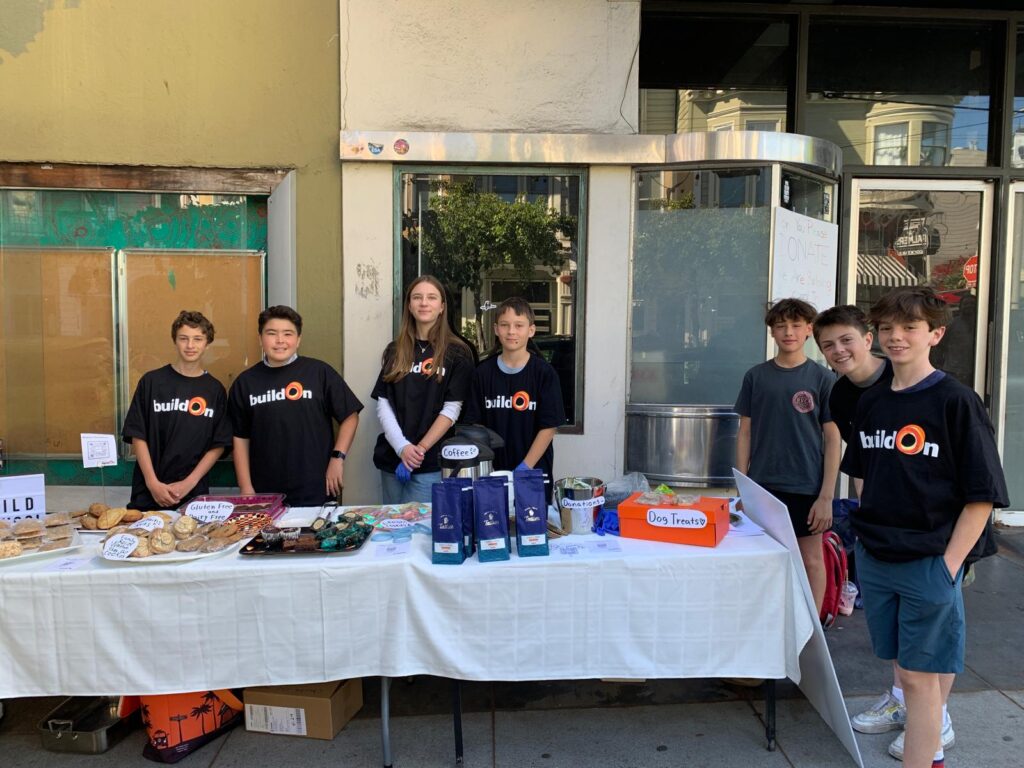
Trent, a member of the Helping Hawks team, recalls how they raised over $2,000 at a single bake sale: “We started by offering each baked good for $5, but then we decided not to have a set price. We said, ‘we’re building this school in Guatemala, if you donate you can have a free baked good.’ So people gave far more than $5 or $10. At some point a random man walked by and gave a hundred dollars!”
Step 4: Build the School
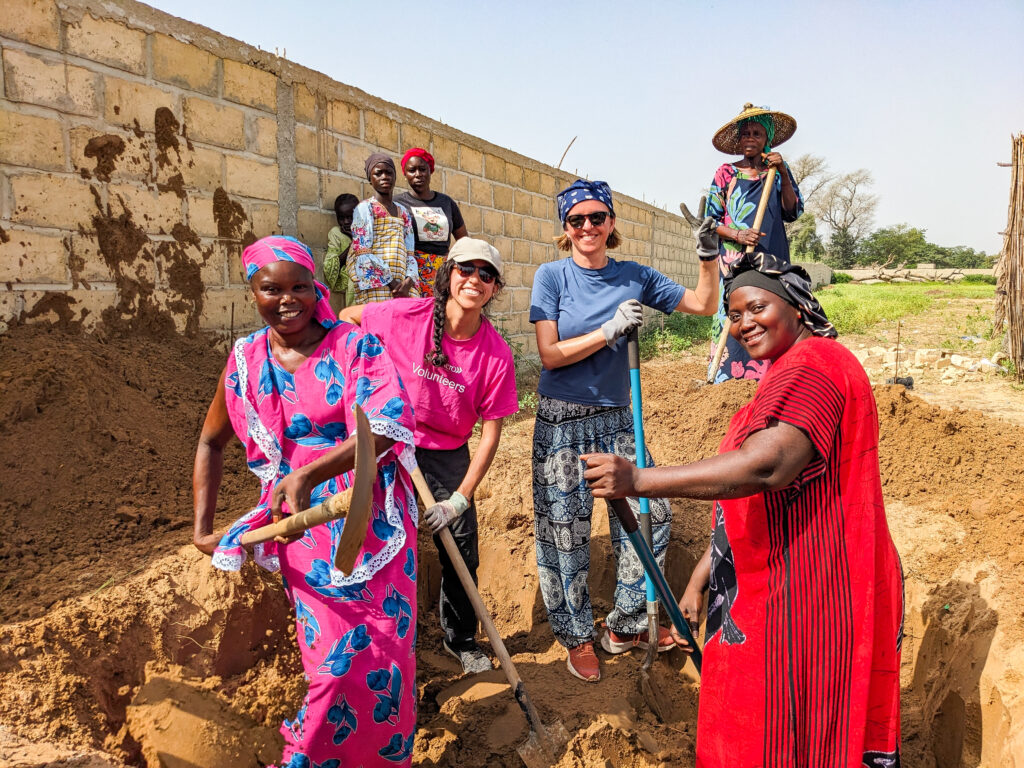
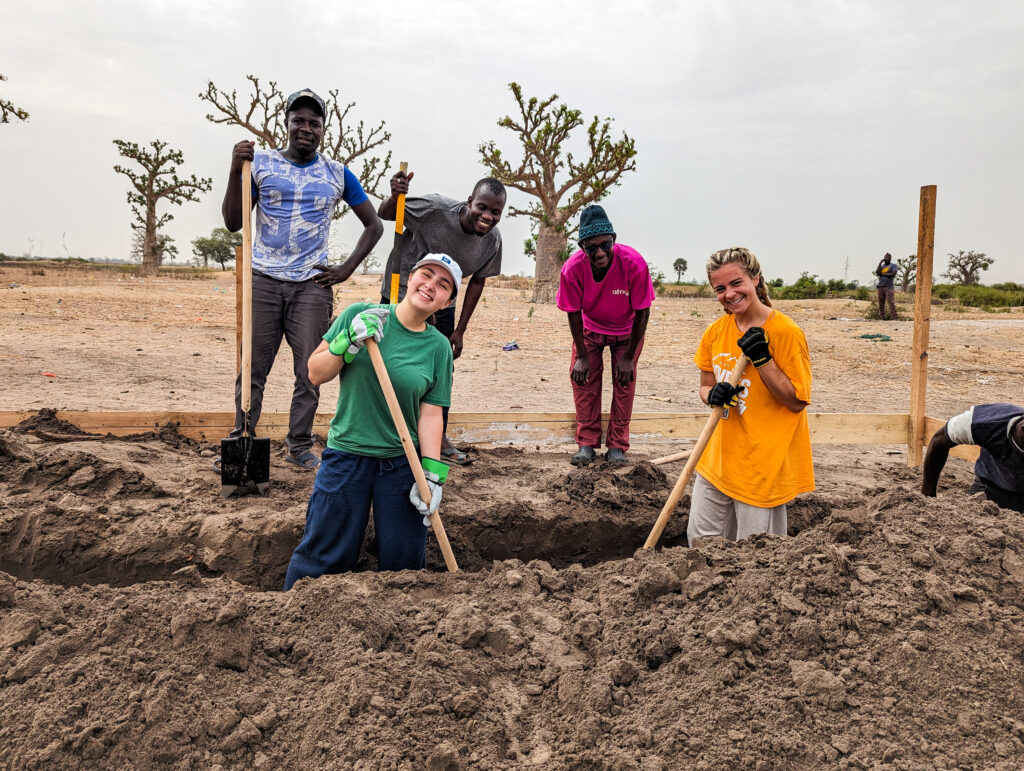
This is where transformation happens. You’ll fly to the country—Guatemala, Nicaragua, Senegal, Malawi, or Nepal—travel to your community, live with a host family, and join local men and women on the construction site. Together, you’ll dig the foundation, mix concrete, and make bricks by hand. All told, participants spend about a week on Trek.
But Trek is about more than physical labor. You’ll share meals cooked over wood fires, learn traditional crafts, play games with children, and take part in cultural workshops, learning everything from basket weaving to music and farming practices. At the end of each day, you’ll reflect with your team and community partners, exploring themes of inequality, privilege, education, and solidarity.
What you’ll get to experience on Trek:


Why It Matters
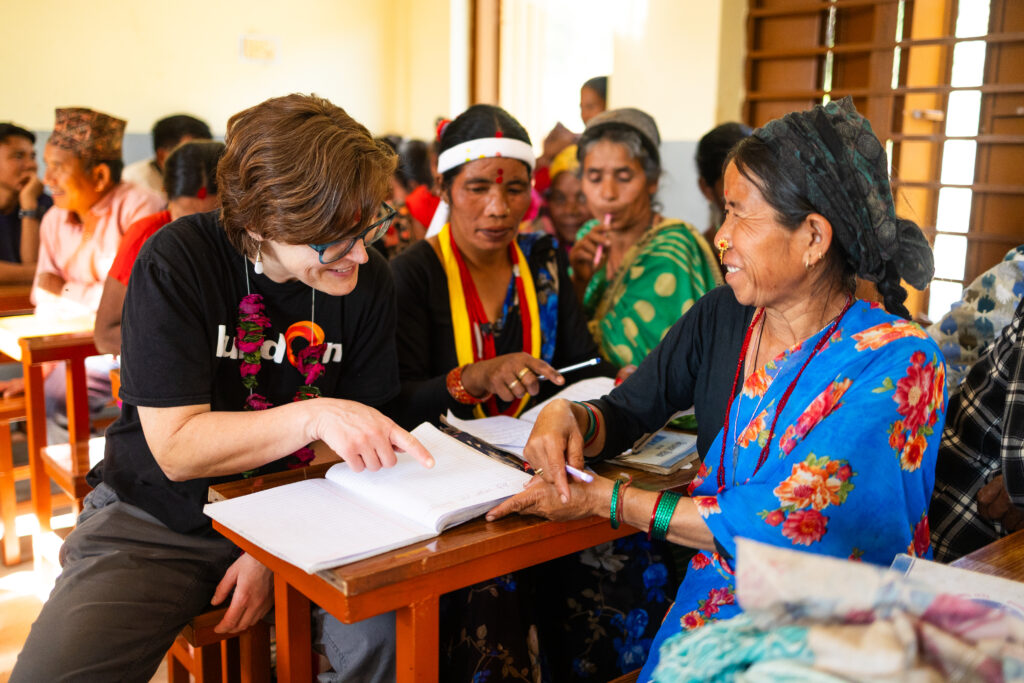
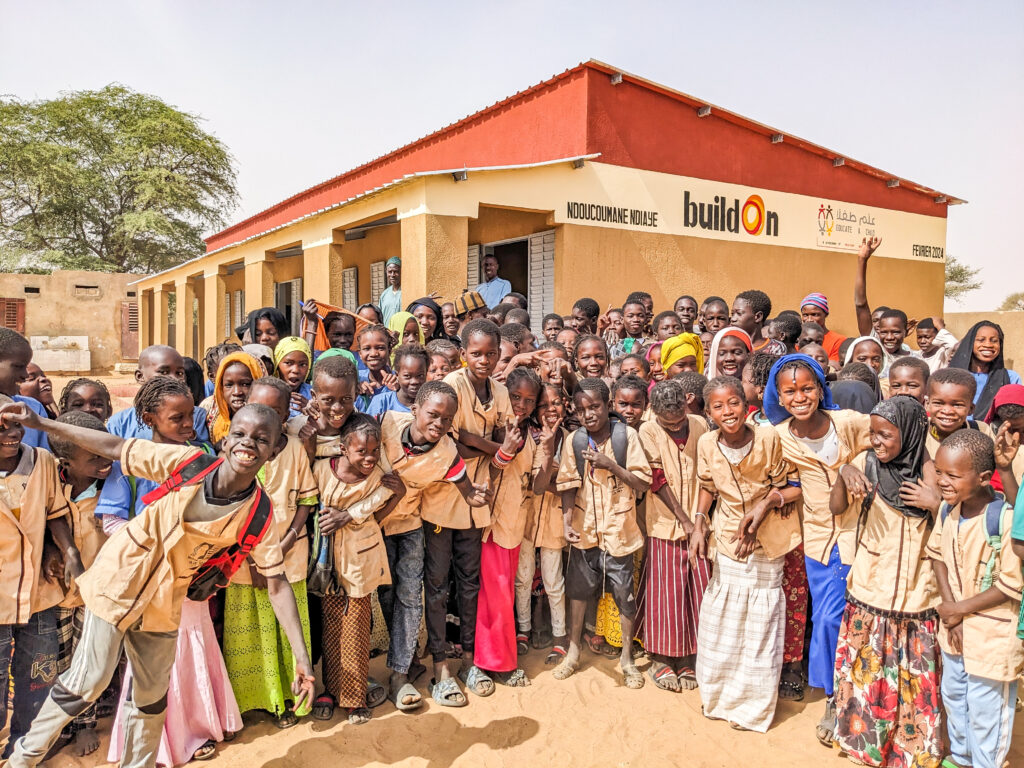
In many of our partner communities, students walk miles to reach crumbling mud-brick classrooms, or have no access to education at all. Building a school changes that. It means children, especially girls, have a safe, permanent place to learn. It means parents and grandparents can attend literacy classes in the evenings. It means entire communities are mobilized for opportunity and hope.
Since 1991, buildOn has constructed over 2,900 schools in partnership with rural communities, providing daily access to quality education for more than 380,000 children and adults. Our schools not only teach children, but in many of them we also run our Adult Literacy Program, where adults can learn reading, writing, and numeracy skills to help grow their businesses and build a better life. The majority of participants are women, helping to close the educational and financial gender gap in these countries.
What You’ll Take Home
Yes, you’ll return with sore muscles and blisters. But you’ll also come back with something far greater: a deeper connection to global solidarity and a stronger belief in the power of education. Participants consistently describe Trek as a transformative experience, one that reshapes how they see the world and their role in it. And many of them return to go on Trek to a different country in the future!
“Looking back, the most meaningful lesson I’ve carried from Trek is the importance of being present, of truly cherishing the people around you in the moment,” says Alyssa Dabbs, a two-time Trek participant. “I’ve realized that it’s experiences like these, through Trek, buildOn, and service work, that feel the most rewarding and meaningful in my life.”
Abby Olson, who went on to intern for buildOn after going on Trek to Haiti at 14, still cherishes the memories from her Trek. “At 14, it was so amazing to be able to see the different ways people can connect, regardless of where they came from,” she says. “My host sister and I were unfortunately not able to stay in touch, but I still have one of the Polaroids that we took together hanging in my room, to never forget the impact we had on that community, but also to remember the impact they had on me.”
Ready to Build?
Every journey begins with a single step. Connect with a buildOn staff member today and start your Trek. Together, we’ll build schools, hope, and a better world.