

Built by the Community, Run by the Community: A Mali Success Story


In every community where buildOn builds a school, a Project Leadership Committee (PLC) of local leaders takes charge of the project. These committees, made up of 14 leaders in Nepal and 12 in the rest of the countries we work in, help organize community members and keep construction moving on schedule. Half of the members are women.
What those leaders do after the school opens is where this model shows its true impact. In Kandjimamouroula, Mali, the PLC that organized construction went on to help set up a committee to manage the school, recruited teachers, and rallied the village around a solar-lighting project that went from discussion to installation in three weeks.
The success of Kandjimamouroula’s school, built through the partnership between buildOn and Education Above All Foundation’s Educate A Child program, with support from the Qatar Fund for Development, shows what partnership sets in motion when a community’s own leaders are at the center of the work.
What You’ll Find in This Story
- What a Project Leadership Committee is and why buildOn asks every community to form one
- How Kandjimamouroula’s committee went from building a school to managing it and bringing solar lighting to it
- What the story shows about the long-term results of community leadership
Leaders in Every Community
For every buildOn school, the community and buildOn sign a covenant that spells out what each side contributes. We provide the engineering, materials, skilled labor, and project supervision. The community provides land, local materials, volunteers, and a gender-equal leadership team: the Project Leadership Committee.
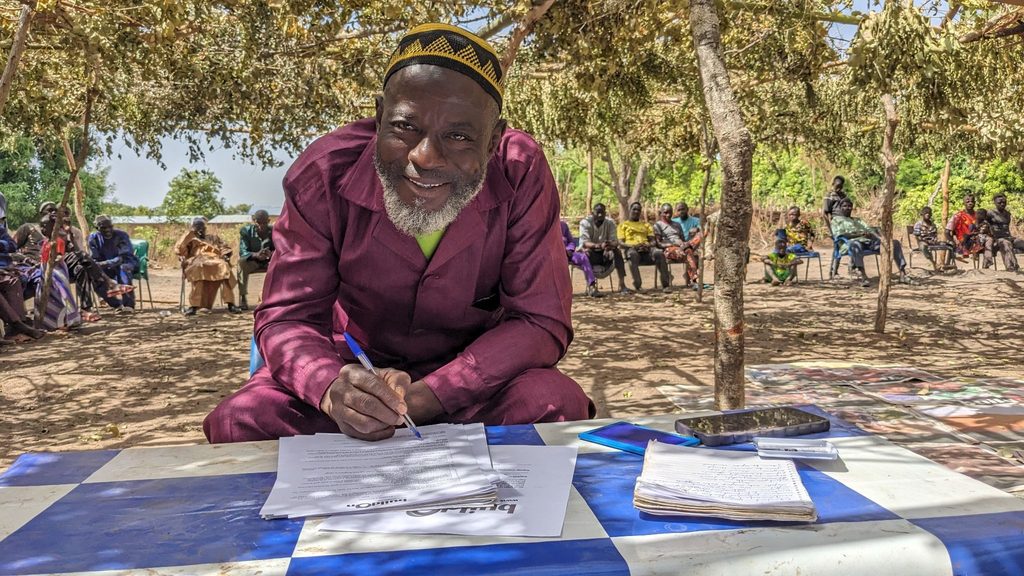
That design empowers local leaders from the first day. In Mali, communities have built 641 schools with buildOn and contributed more than 1.7 million volunteer workdays, and every one of those schools started with a PLC like Kandjimamouroula’s.
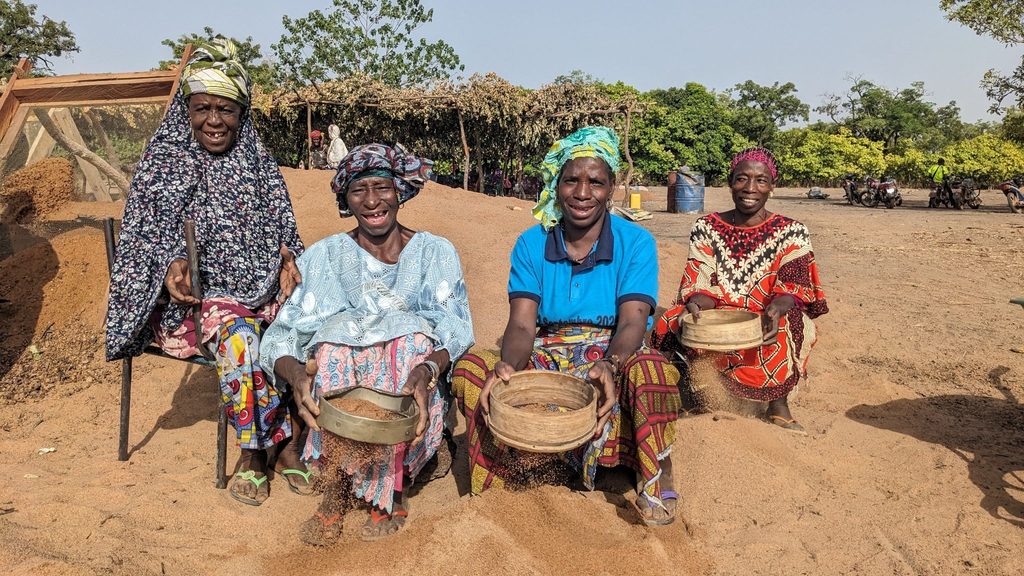
A Committee Learns to Lead
During construction, Kandjimamouroula’s PLC played a central role in organizing activities, mobilizing residents, and coordinating community contributions. buildOn also supported committee members with training in leadership, organization, and managing resources together.
The experience changed how they saw themselves. As one PLC member put it, “We understood that the community service we do is for ourselves and that we need to know how to manage our group.”
That realization endured throughout construction. Committee members came to see their commitment as something that could keep driving development in their village after the school was finished.
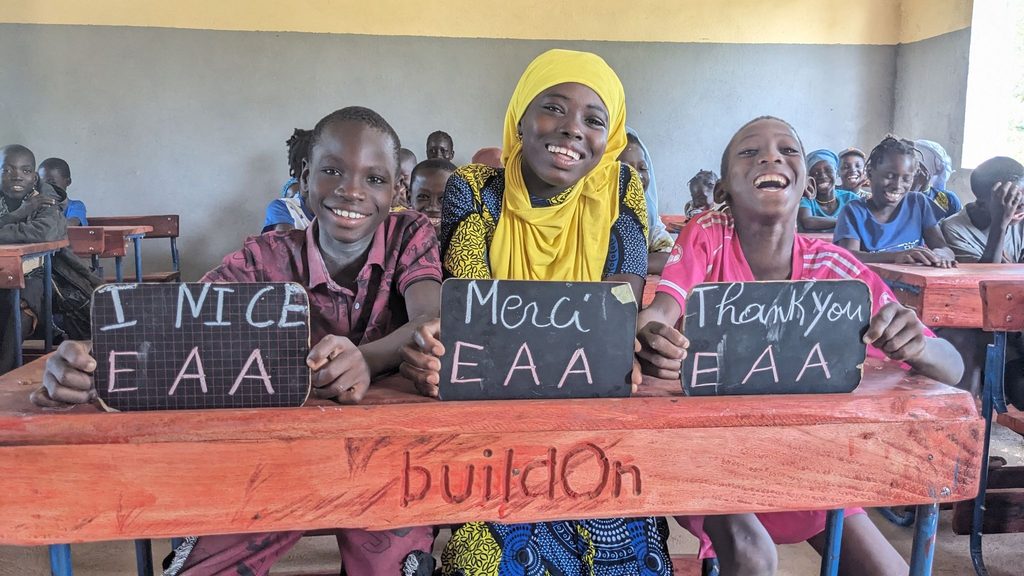
From Building a School to Running It
When construction ended, the PLC helped establish a School Management Committee (SMC), responsible for the school’s smooth operation and long-term sustainability. A total of eight PLC members, consisting of two women, joined the SMC, keeping the same people who organized construction involved in making sure the school succeeded. The community also moved the funds it had collected during construction into the SMC’s bank account, an early step toward transparent management.
The committees turned to Kandjimamouroula’s next urgent need: teachers. The PLC took steps to recruit teachers, so the new building can fulfill its education mission, and the SMC started counting the students who will attend. Community meetings have continued since the school was completed in June.
Light in Three
The school was completed on June 22, 2026. On July 20, the community began discussing a new need: lighting.
Karim Diakite, a young man from the village inspired by the spirit of community service, suggested the community explore installing solar lighting in the school. The PLC welcomed it as an answer to several needs: better security for the school, light for students to study, light for adult literacy classes at night, light for evening community meetings, and light for teachers to prepare their lessons. And the need was real, even before the school year began, catch-up classes were being held at night to help students who had fallen behind.
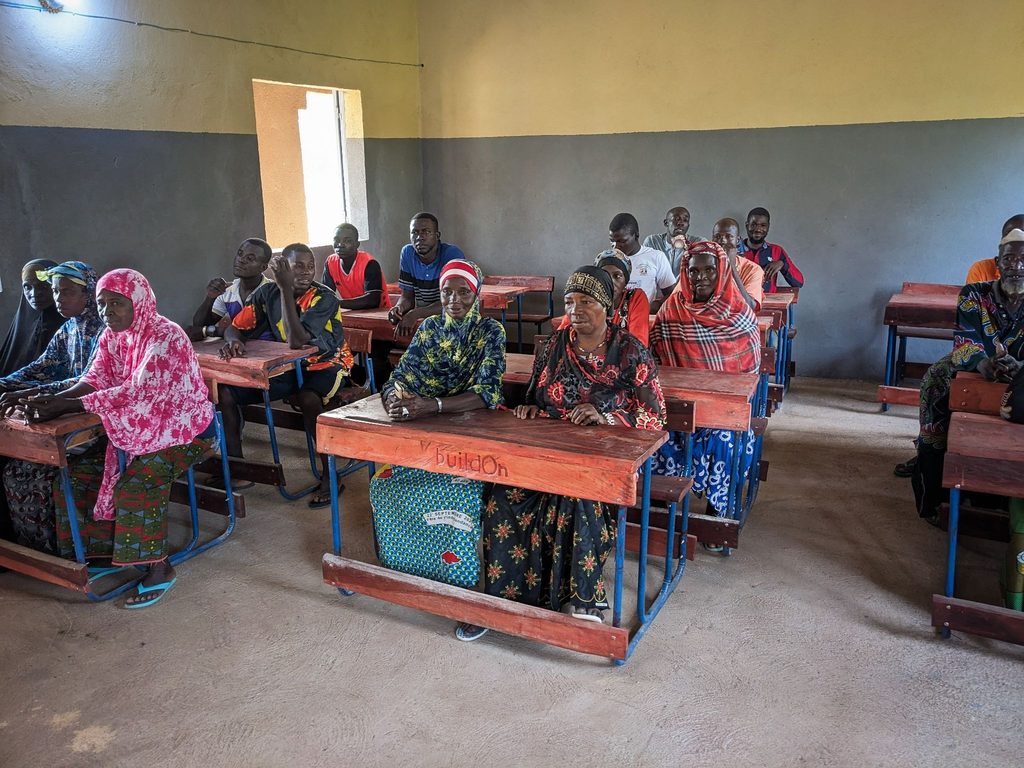
News of the plan also reached people from the village living outside Mali. A native of Kandjimamouroula living in Cote d’Ivoire was filled with joy and pride after seeing the new school completed and funded the new lighting system to support his hometown. The system cost $422 (250,000 FCFA).
By August 10, the solar-lighting system was installed—only three weeks after the community first discussed the project.
Managing Resources in the Open
The way the PLC organized the solar project shows how its leadership has grown. To be transparent, the committee found a technician in nearby Yorobougoula and asked that the funds for the work be transferred to an account instead of handled informally. That step made it easier to trace how resources were used and who was responsible. Committee members now organize decisions, divide duties, and set up clearer ways to manage money, on top of mobilizing contributions.
The community is also thinking ahead. The SMC will manage the lighting system and already identified the need for upkeep and maintenance. Residents are planning for sustainability from the beginning.
What Project Leadership Committees Make Possible
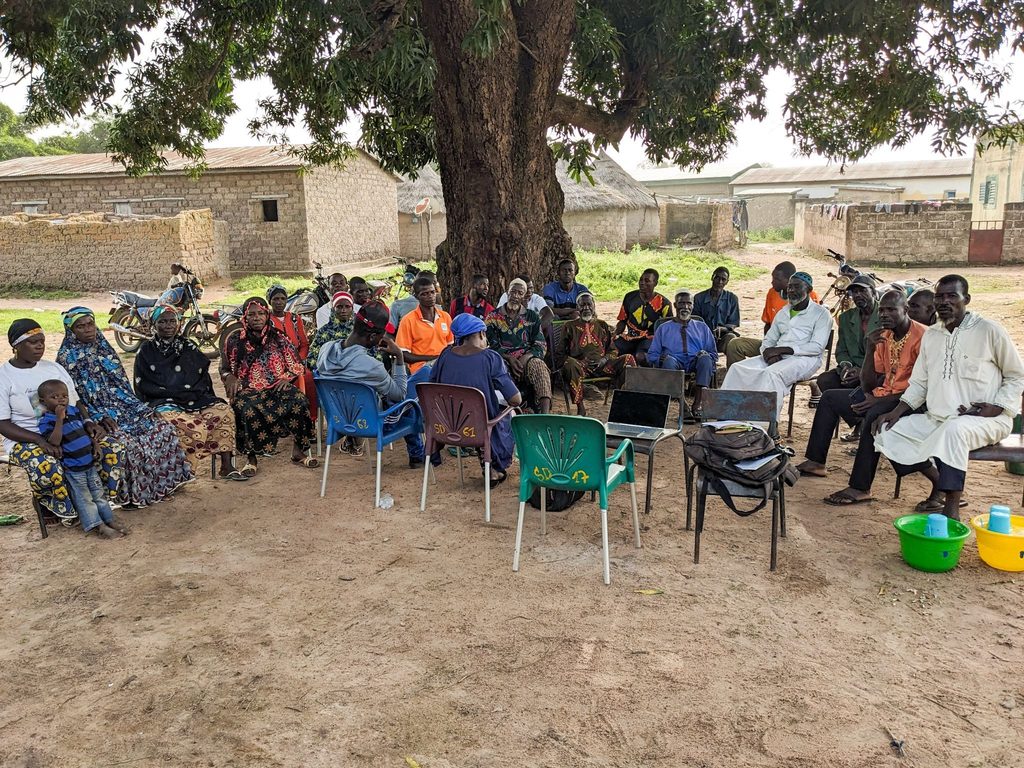
Three changes stand out in Kandjimamouroula. First, community engagement continued after construction: the PLC supported the SMC and helped look for ways to keep the school running. Second, local governance grew stronger, with regular meetings, decisions made together, funds moved to the SMC, and a push for transparency in how the solar project was financed. Third, the community drew on its own networks to bring in new support, including young people from the village and a villager living in Cote d’Ivoire.
The same pattern shows up in a study of 30 villages that built schools with buildOn in Senegal, too. Communities went on to invest an average of $10,000 of their own in further school building, and 97 percent of women reported greater confidence, while 83 percent felt motivated to lead. Additionally, 13 of the villages surveyed went on to build 31 additional classrooms after buildOn left the community. Those findings are specific to Senegal, but they point to what a PLC makes possible: leaders who keep working after construction is finished, and a foundation for future advancement long after buildOn staff leave.
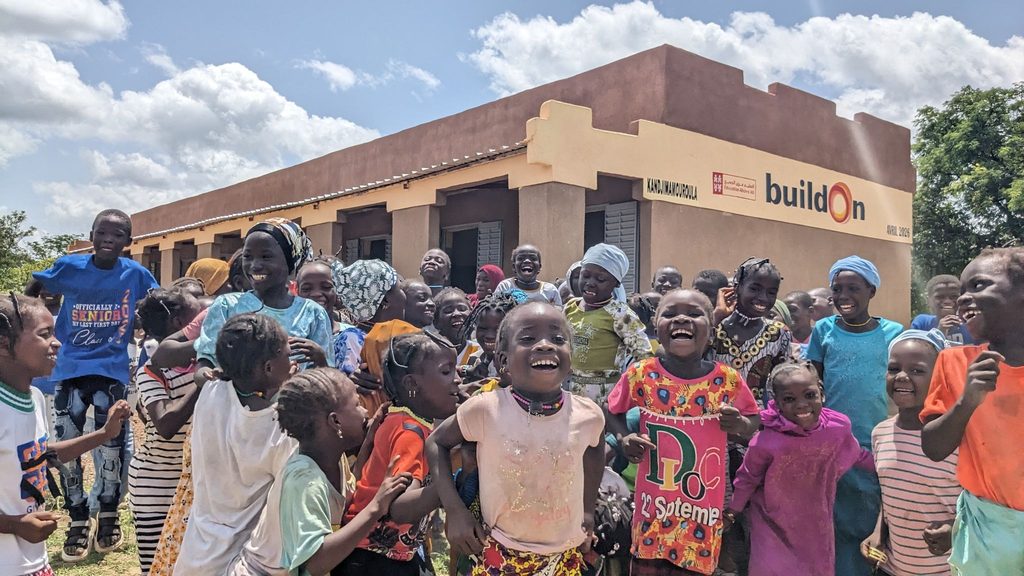
The new school gave Kandjimamouroula’s children a place to learn. Putting 12 local leaders at the center of building it gave the community a foundation for success it is still using: making decisions and finding solutions together.
#EducateEveryChild
If you want to help us build schools and transform communities and around the globe, consider making a tax-deductible donation to support buildOn’s work today.