

Trek in Nepal: Travel Deeper


For many travelers, visiting Nepal is about checking a Himalayan hike or ancient temple visit off a bucket list. On a buildOn Trek, it’s about becoming part of a community, working toward a shared goal, and experiencing Nepal in a way few travelers ever will.
In Nepal, you’ll help build a school alongside local community members, live with a host family, and experience a culture shaped by hospitality, resilience, and centuries of tradition. Along the way, you’ll gain a deeper understanding of how education brings people together and creates opportunities that last for generations.
What You’ll Find in This Guide
- What it’s really like to build a school alongside a community
- Daily life living with a host family
- The culture, connection, and impact that make Trek in Nepal unforgettable
Ready to take the first step? Sign up to go on Trek to Nepal today.
Why Build a School in Nepal?
A Trek to Nepal is about more than where you travel. It’s about what you help create.
In many rural communities across Nepal, access to education remains a challenge. Some children walk long distances to reach school, while others leave the classroom early because of poverty or limited resources. Girls and students from Indigenous and lower-caste backgrounds often face additional barriers to completing their education.
That’s where buildOn comes in.
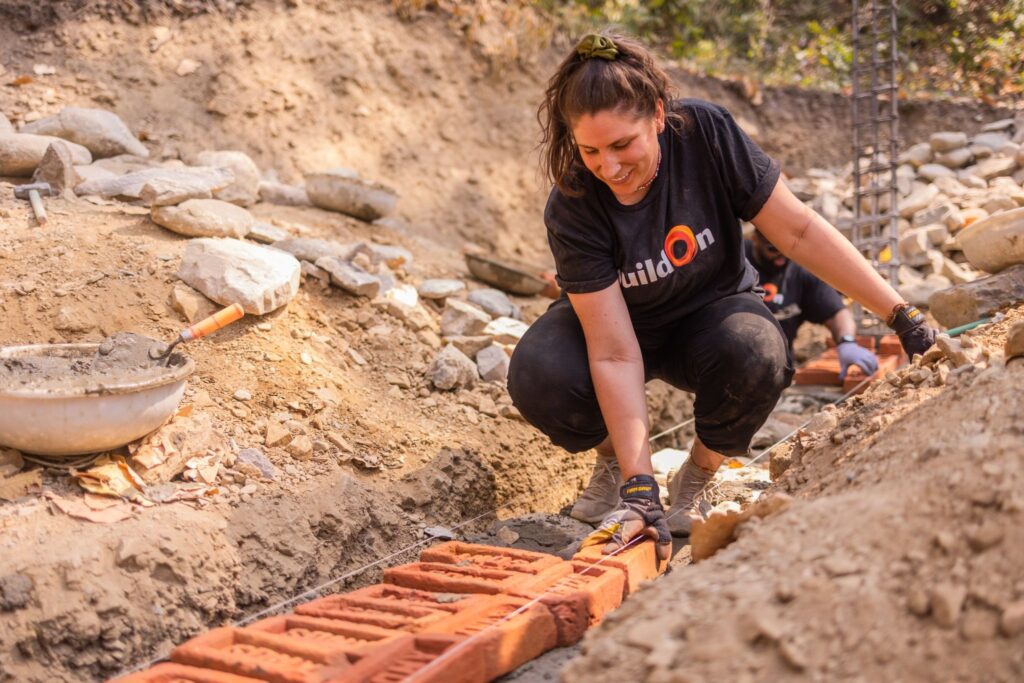
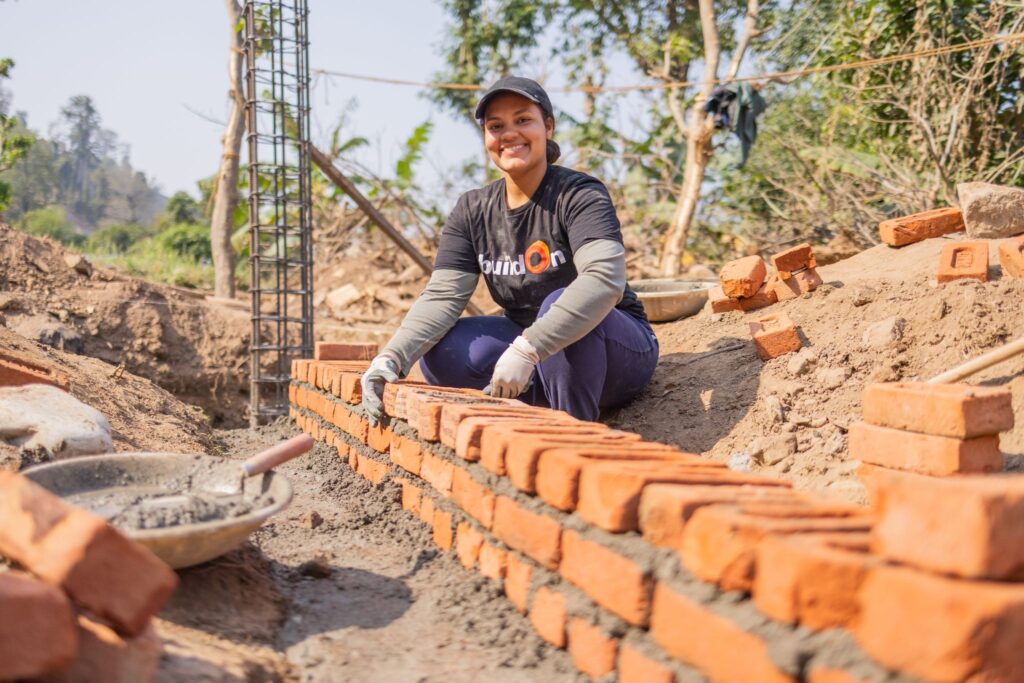
Working alongside local community members, you’ll help construct a new primary school that will serve generations of students. Every brick you lay and every bucket of gravel you carry becomes part of something much larger: expanding access to education and creating new opportunities for children and families.
What Makes Nepal Unique?
Nepal is a country of breathtaking mountain landscapes, vibrant traditions, and extraordinary hospitality. While many visitors know Nepal as the home of Mount Everest, Trek offers a chance to experience a different side of the country, one rooted in rural villages, close-knit communities, and everyday life.
You’ll spend your days surrounded by the rolling foothills of the Himalayas, where neighbors work together, traditions are passed from generation to generation, and visitors are welcomed like family. Depending on when you travel, you may experience colorful festivals like Holi or Tihar, learn about Nepal’s rich Buddhist and Hindu traditions, or simply discover that some of the country’s most memorable moments happen around a shared meal.
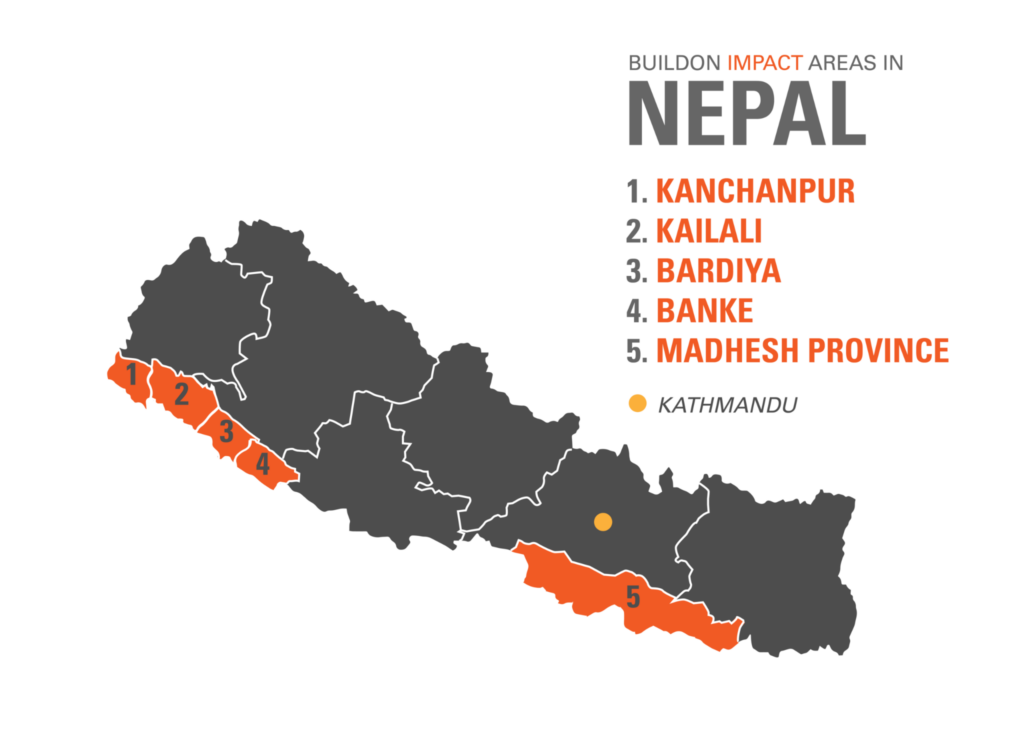
Treks to Nepal are offered from September through April, when cooler temperatures and clear skies make it an ideal time to visit.
What Does a Day on Trek Look Like?
Each day on Trek blends service, learning, and cultural exchange.
Mornings begin with breakfast before heading to the worksite, where you’ll spend several hours building alongside local community members. You might mix cement, carry bricks, dig foundations, or prepare materials for the next phase of construction. No construction experience is necessary. buildOn staff and community members will guide you every step of the way.
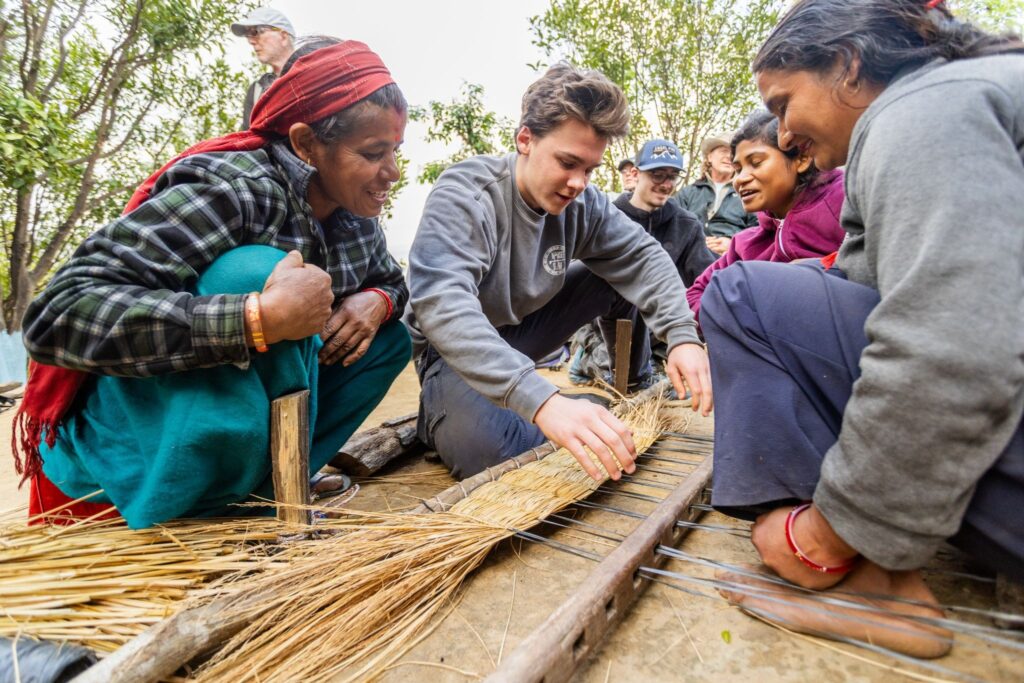
After lunch, your Trek Leader will facilitate conversations about leadership, education, and global issues, helping connect the day’s work to the larger purpose behind it. Afternoons often include cultural experiences like pottery making, basket weaving, yoga, harvesting rice, or conversations with local residents that offer a deeper understanding of life in rural Nepal.
By evening, you’ll return to your host family, share dinner together, reflect on the day’s experiences, and prepare for another meaningful day of service.
Ready to begin your Trek journey? Sign up today.
What Is It Like to Live With a Host Family?
Some of the most meaningful moments on Trek happen away from the worksite.
You’ll live with a Nepali host family in simple accommodations, sharing meals, routines, and everyday life together. While the setting may feel unfamiliar at first, it quickly becomes one of the most rewarding parts of the experience.
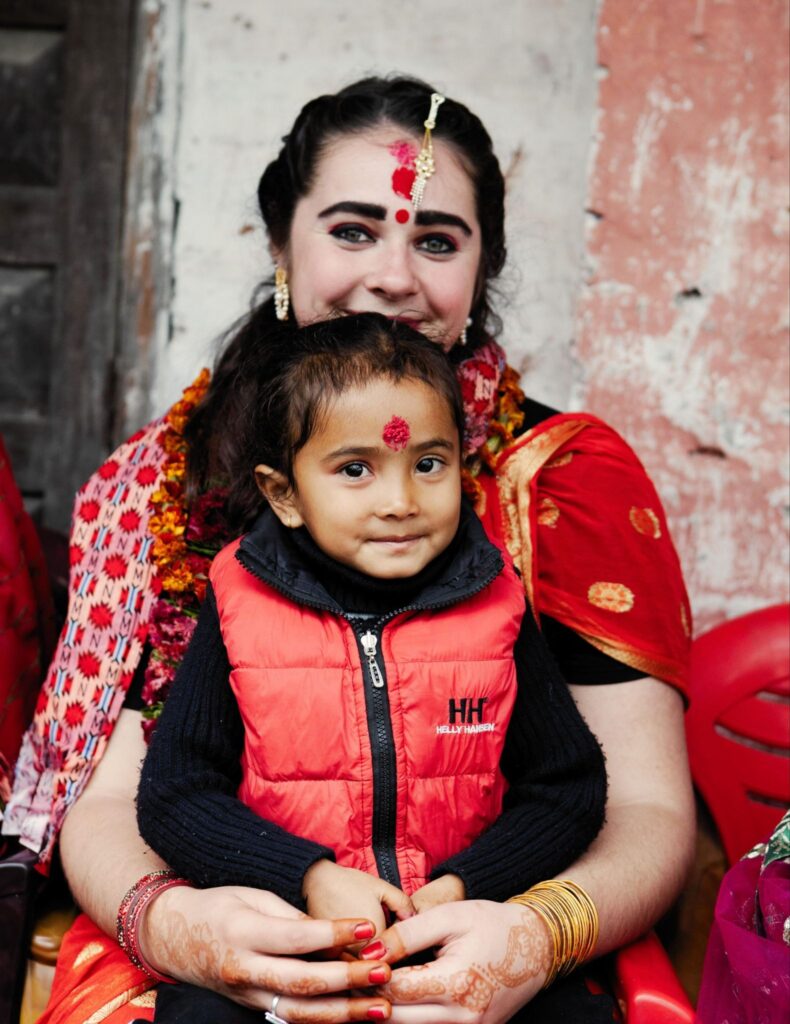
You may help prepare dinner, play games with children, learn a few words in Nepali, or spend the evening talking over cups of chiya, Nepal’s traditional spiced tea. Even when you don’t share a common language, those everyday moments often become the ones participants remember most.
Living with a host family offers something few travelers experience: an authentic window into daily life and the opportunity to build relationships that continue long after Trek ends.
What Will You Eat and Experience in Nepal?
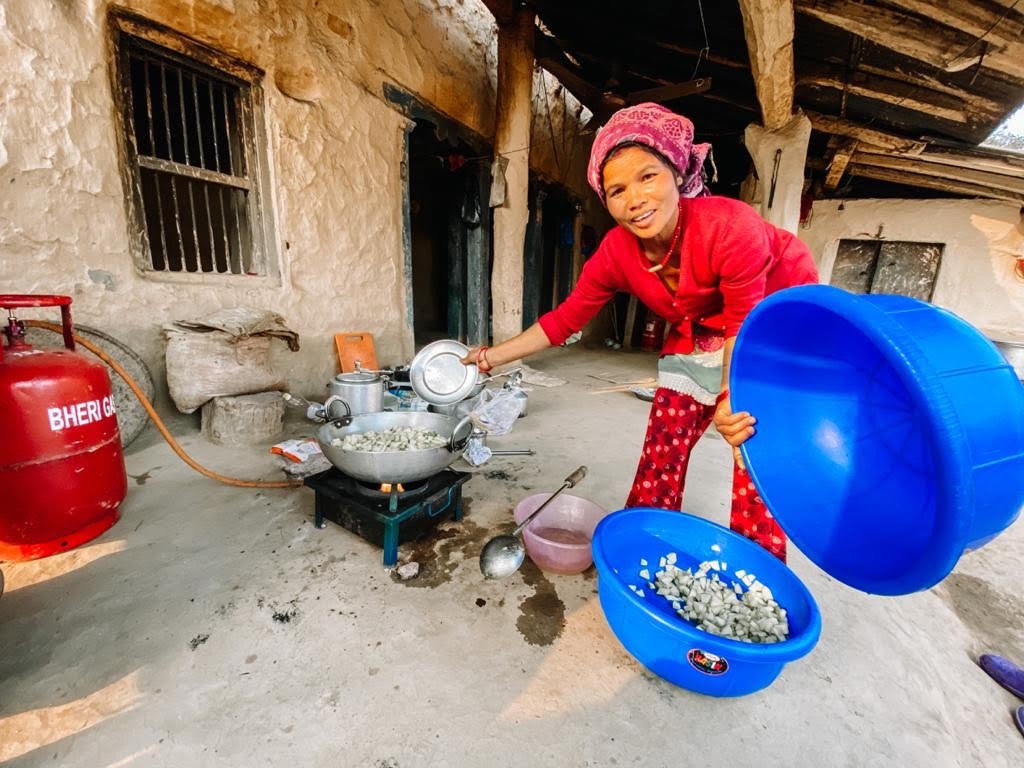
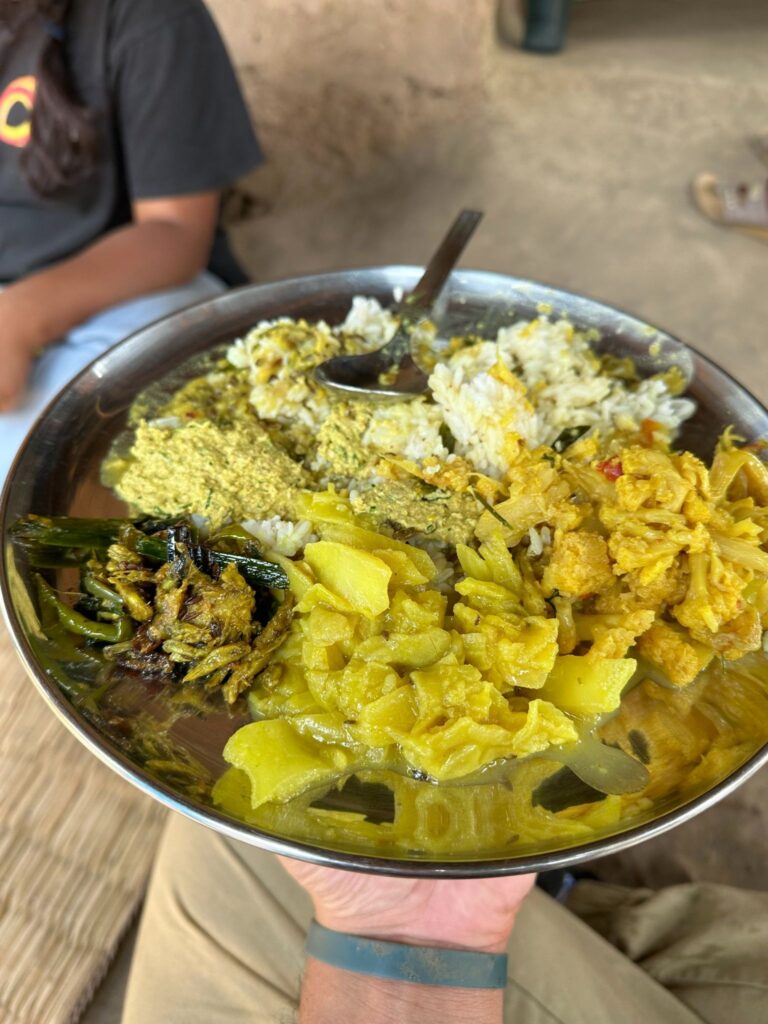
Food is an important part of daily life and one of the best ways to experience Nepalese hospitality. Most meals are prepared with fresh, seasonal ingredients grown within the community. During your stay, you’ll likely enjoy dal bhat, Nepal’s staple meal of lentils, rice, and vegetables, along with homemade naan, roti, pumpkin curry, and potato and cauliflower curry.
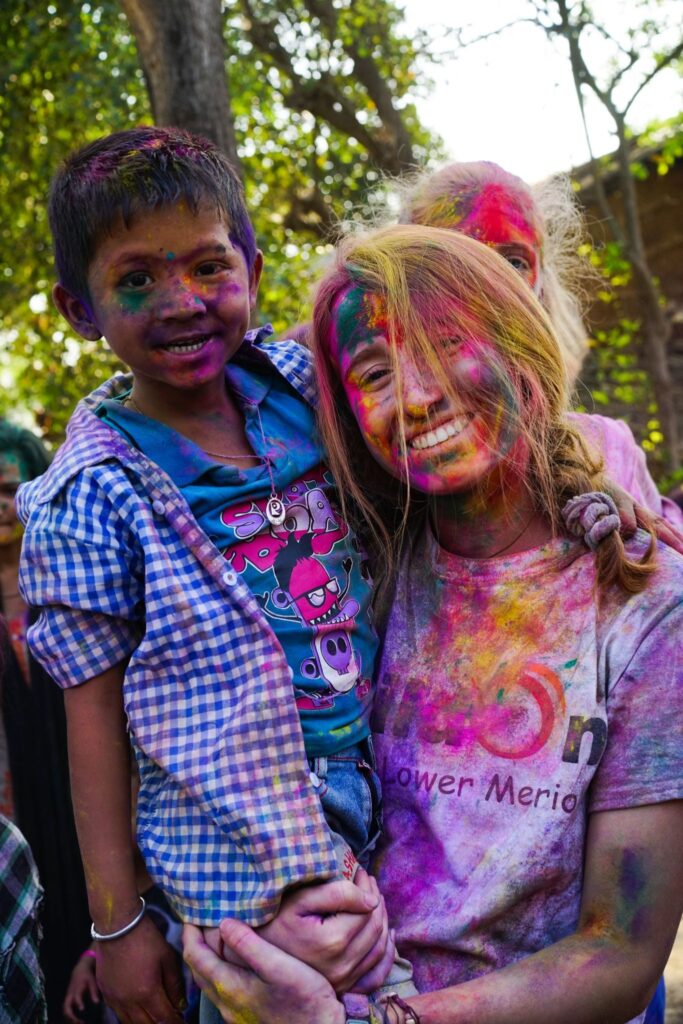
Beyond the meals, Nepal offers an incredible blend of history, culture, and natural beauty. It is home to eight of the world’s ten highest mountains, including Mount Everest, and is the birthplace of Buddha. Depending on the season, your Trek may overlap with celebrations like Holi, the Festival of Colors, or Tihar, one of Nepal’s most important cultural festivals.
Wherever your Trek takes you, you’ll leave with a deeper appreciation for the traditions and everyday experiences that make Nepal so special.
What Does Building a School Mean?
Building a school is the heart of every Trek.
The work is physical. You’ll dig, lift, carry, and build alongside community members who are equally committed to creating new opportunities for their children. Together, you’ll contribute to a school that will serve generations of students.
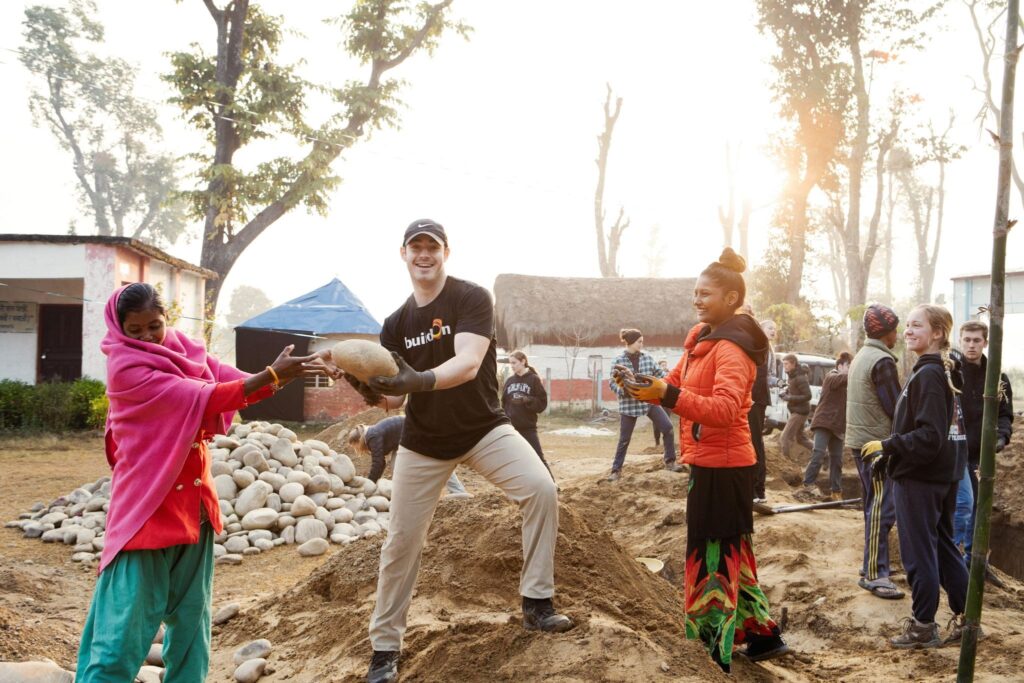
But the experience is about much more than construction.
Working side by side creates conversations, friendships, and mutual understanding that can’t happen any other way. By the end of Trek, you’ll have contributed to something tangible while gaining a new perspective on the power of communities coming together around education.
The school isn’t something you’re building for the community.
It’s something you’re building together.
How Will Trek Change You?
Trek is designed to challenge you in the best possible ways.
You’ll adapt to unfamiliar routines, simpler living conditions, and physically demanding work. You’ll encounter new perspectives, question old assumptions, and discover strengths you didn’t know you had.
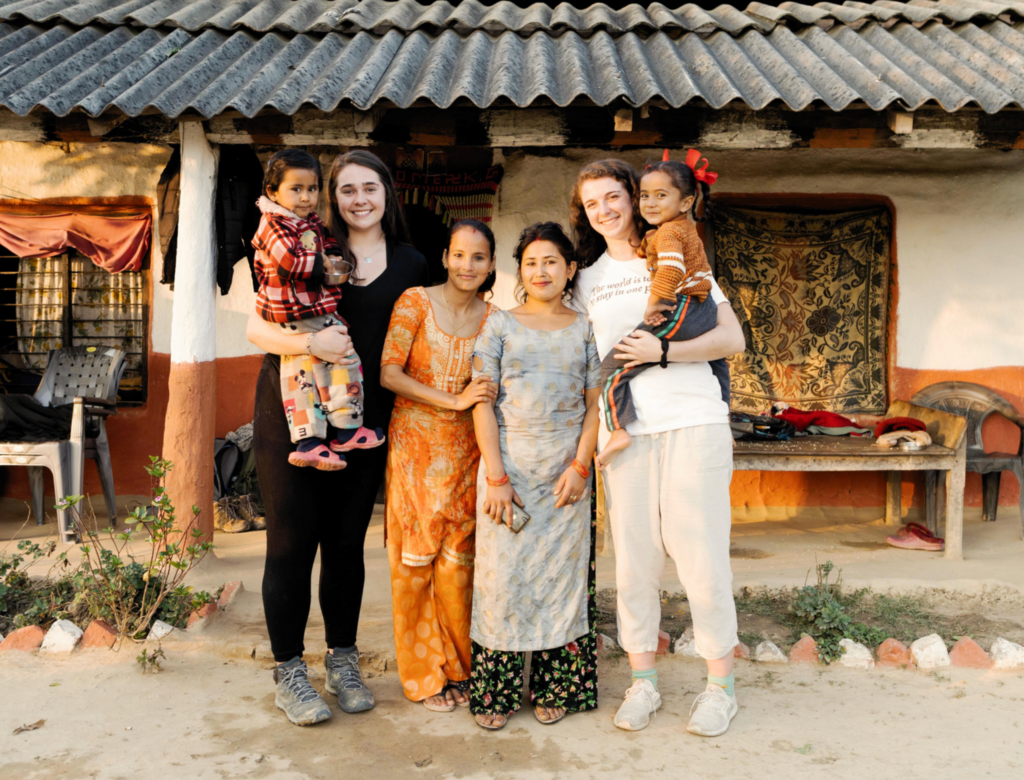
Many participants return home saying the biggest change wasn’t what they built. It was how they began to see the world, their own communities, and the role they can play in creating positive change.
The lessons you learn in Nepal don’t stay there. They become part of how you lead, serve, and connect with others long after Trek ends.
What Will You Take Home From Nepal?
When Trek ends, the experience doesn’t.
You’ll return home with friendships that cross continents, a deeper appreciation for different cultures, and the knowledge that you helped create opportunities that will benefit children for years to come.
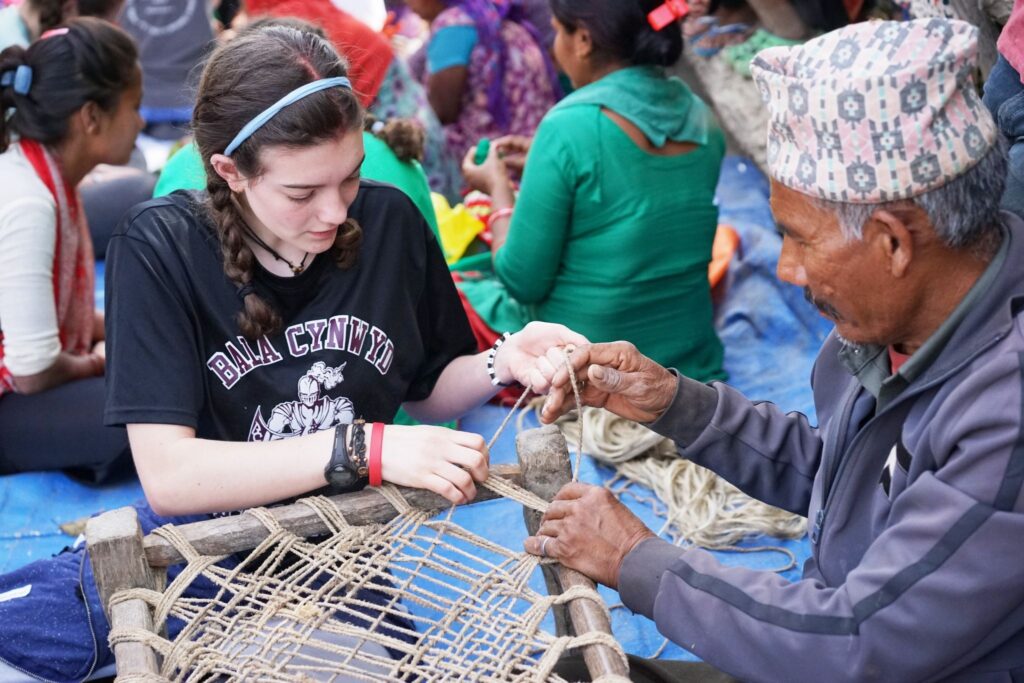
You’ll also be able to follow the progress of the school you helped begin as construction continues and students eventually fill its classrooms.
The impact lasts because the relationships last.
Why Go on Trek to Nepal?
A Trek to Nepal is more than a trip.
It’s an opportunity to work alongside a community, experience one of the world’s most remarkable cultures, and help expand access to education in a meaningful way.
You’ll leave with a broader perspective, lasting friendships, and the knowledge that your time and effort helped create opportunities for future generations.
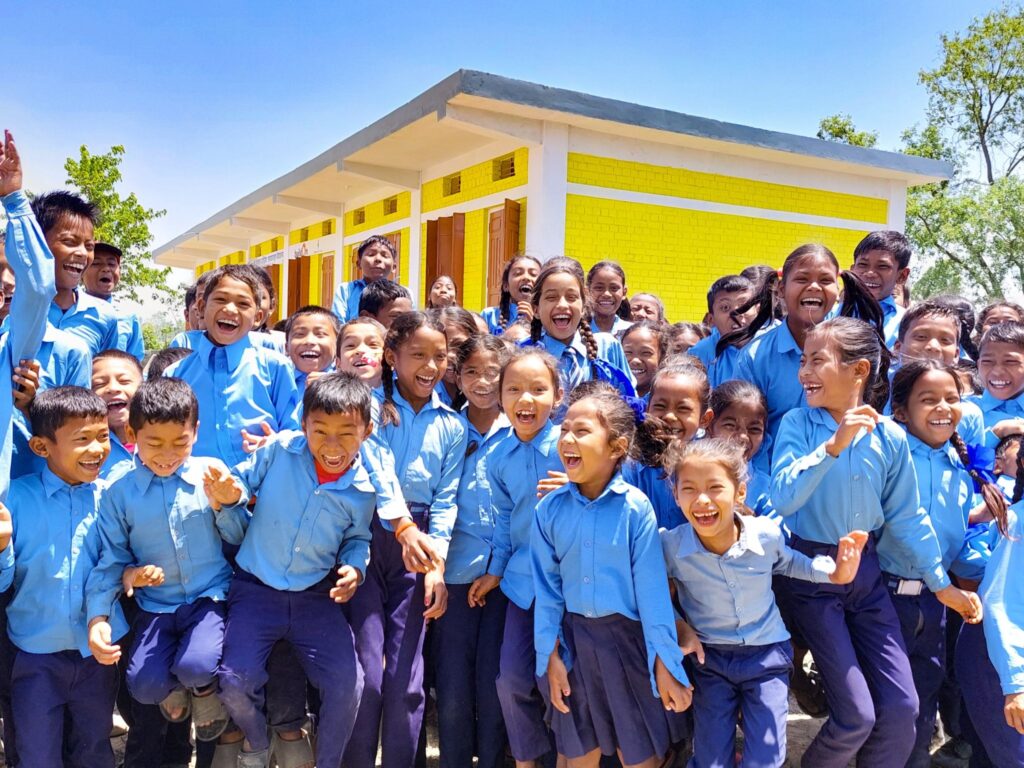
If you’re looking for an experience that will challenge you, inspire you, and stay with you long after you return home, Trek in Nepal is that experience.
Ready to take the first step of your Trek journey to Nepal? Fill out the form on this page to get the process started.