

How Does Education Reduce Poverty? What the Data Says


One more year in school raises a person’s future earnings by about 10 percent on average, for the rest of their life. That’s one of the most consistent findings in economics, and it’s the simplest explanation for why education keeps coming up in conversations about ending poverty.
Across buildOn’s programs, that statistic has names attached to it: farmers who track their own profits for the first time, mothers who start a small business with skills they recently gained, and students in the Bronx who stay in school long enough to make college a real option. This article is about both: the numbers behind education and poverty, and what happens when people get the chance to learn.
What You’ll Find in This Story
- How much an extra year of school actually raises someone’s income
- What keeps children and adults out of school in the first place
- What happens to a community’s income and graduation rates once a school gets built
Want stories like this one in your inbox?
How Does Education Increase Income?
The relationship between schooling and earnings has been studied since the 1950s, and the pattern holds up across countries. According to World Bank research by economists Claudio Montenegro and Harry Patrinos, each additional year of schooling raises a person’s earnings by about 10 percent on average. For women, the return is higher: 12 percent per year. In low-income countries specifically, it climbs to 13.5 percent.
That data predates the pandemic, and disruptions to schooling since 2020 likely complicate the picture. But the underlying relationship, measured for decades, is one of the better-established findings in development economics.
The Importance of Primary School
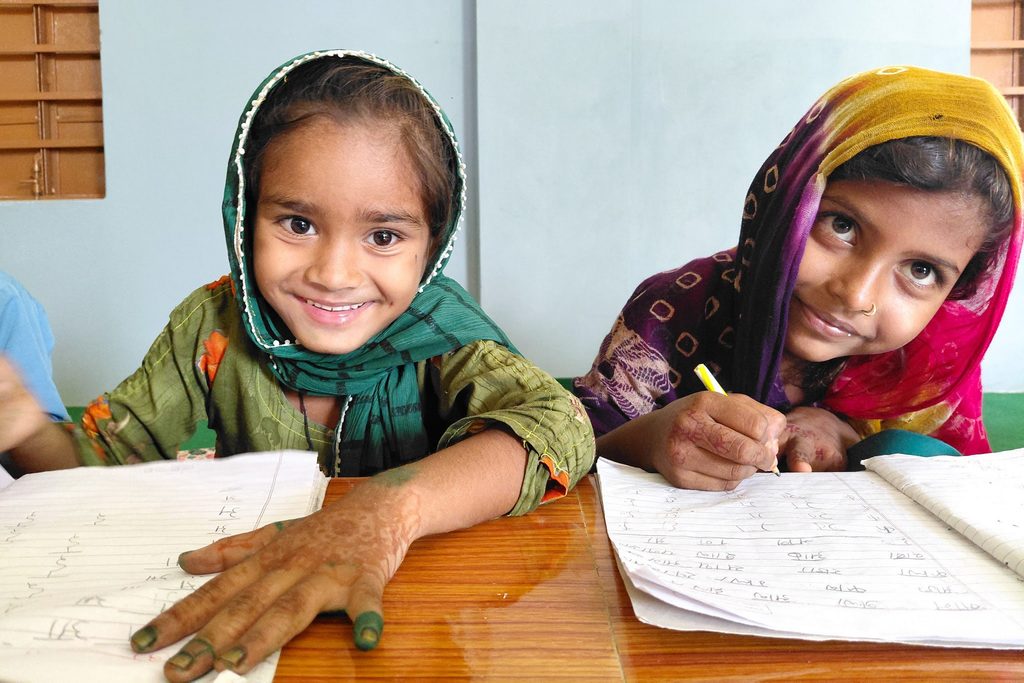
Not all schooling pays off equally. World Bank data puts the average return on a year of primary education at around 11 percent, noticeably higher than the 7.4 percent average return on a year of secondary school.
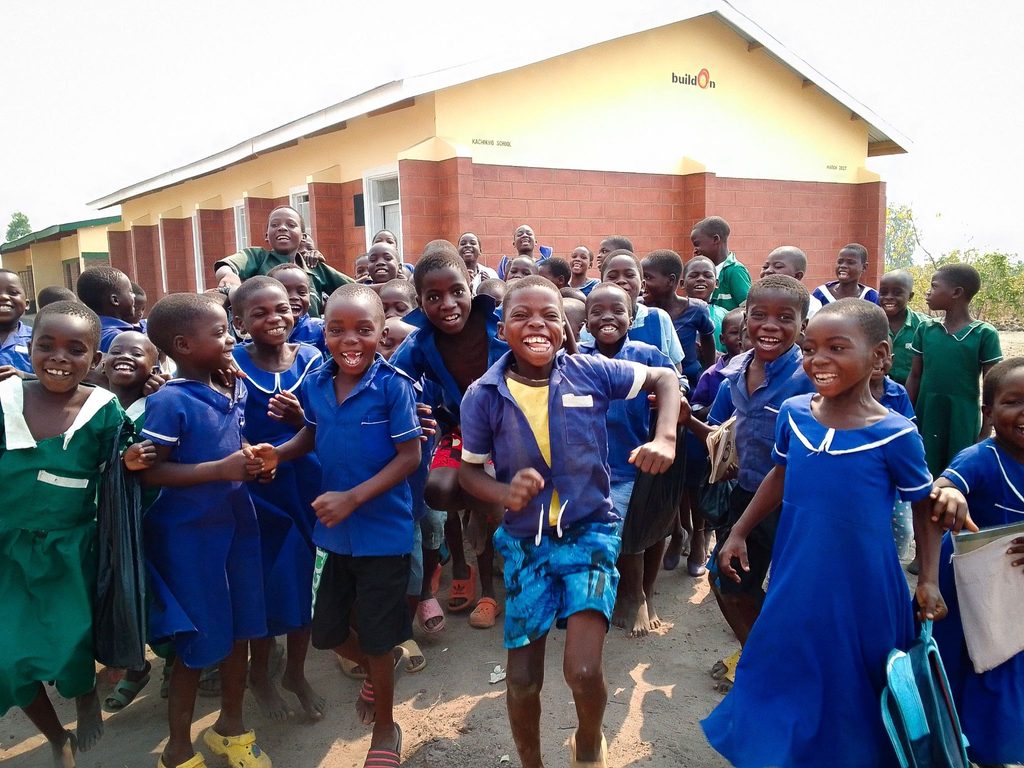
That’s part of why buildOn’s model starts with primary schools in communities that don’t have one at all. A community’s first school tends to produce the largest jump in outcomes, since it’s often the first real chance children there have had to attend class regularly.
How Does Poverty Keep Children Out of School?
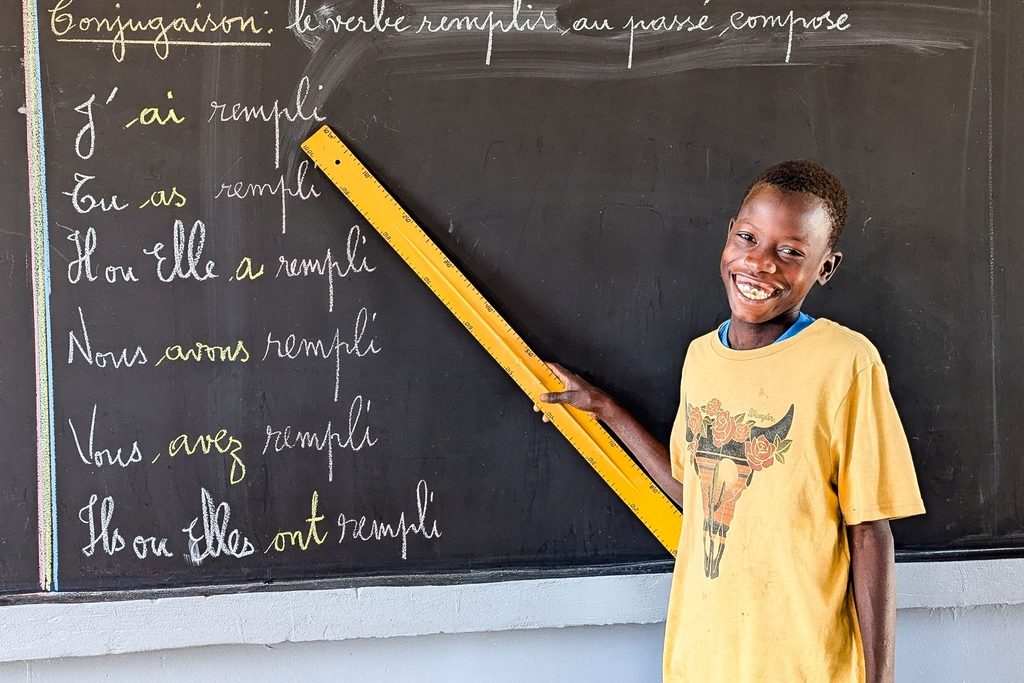
More than 58 million primary-school-age children are out of school worldwide, and the barriers rarely come down to one thing. The most common obstacles are inadequate classroom space, long distances to the nearest school, gender inequality, cultural norms, and poverty itself. Many families in the communities we work in simply need their children working instead of studying.
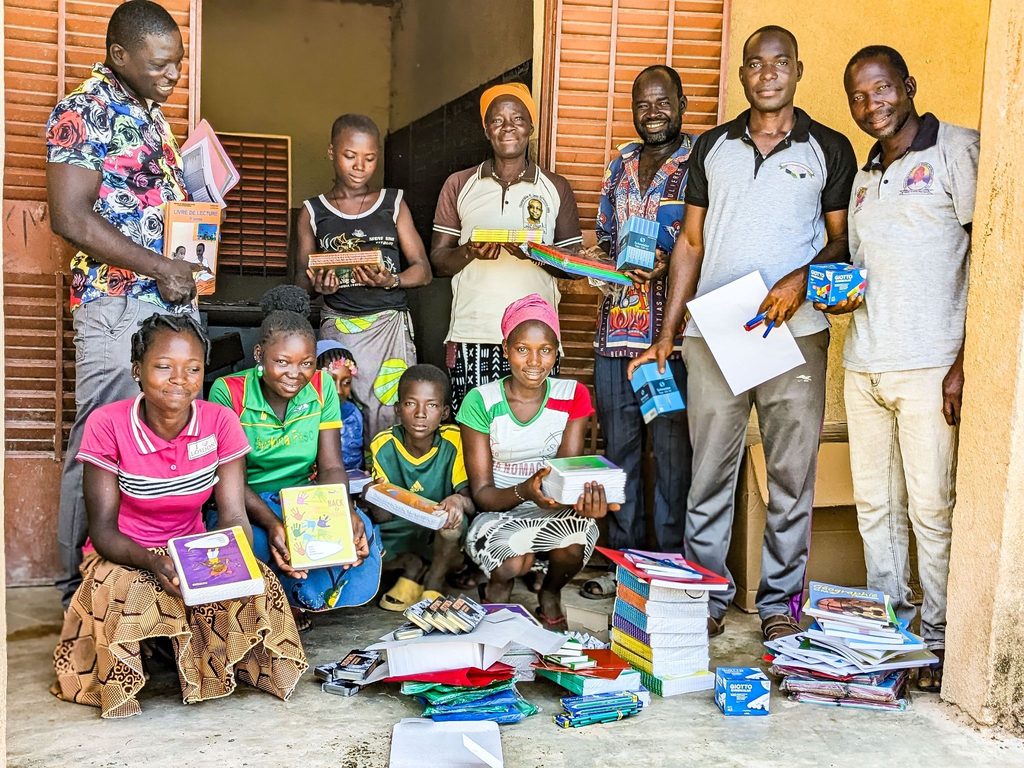
Since 2015, buildOn’s Enroll Program has helped 214,455 out-of-school children start learning again, through four approaches working together: local community members identify children who aren’t enrolled, seed funding helps families start small businesses that can cover school fees and uniforms, accelerated learning courses help older children catch up to other students their age, and direct support like school supply kits and birth certificates clears the paperwork barriers that keep some children out entirely.
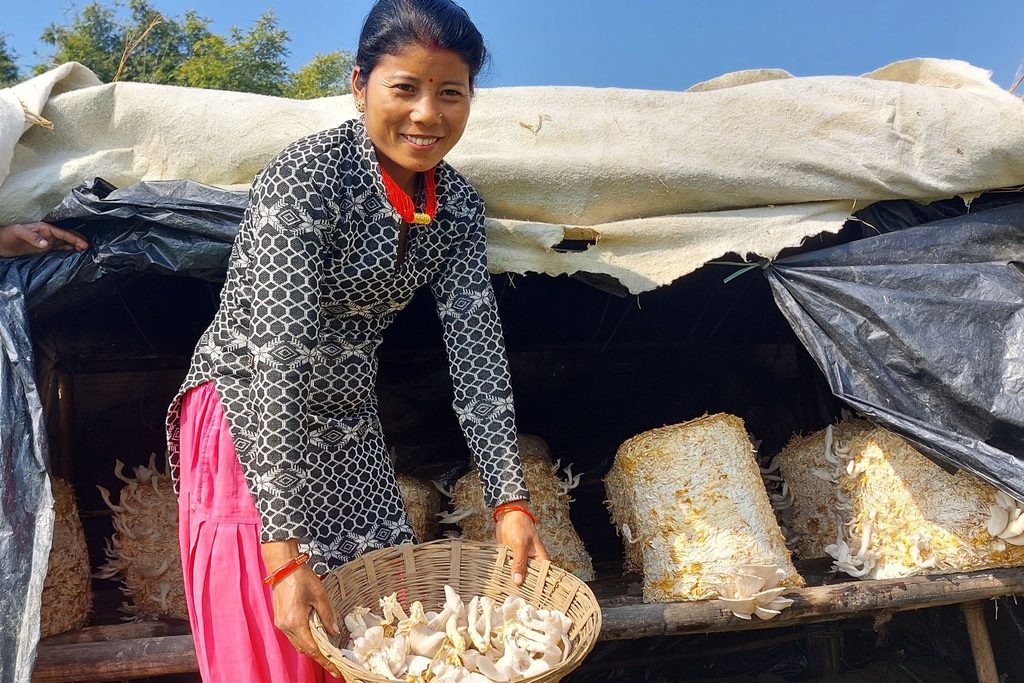
In practice, these barriers rarely show up one at a time. A family weighing school fees against a child’s labor is often also dealing with a missing birth certificate, a school that’s miles away, or a daughter whose community doesn’t prioritize her education the way it does her brother’s. buildOn’s approach treats these as solvable problems to work through together, rather than fixed facts of life in a low-income community.
Does Educating Parents Help Reduce Poverty?
Children aren’t the only ones who are missing out on an education. Roughly 1 in 5 adults worldwide cannot read or write, and nearly two-thirds of them are women.
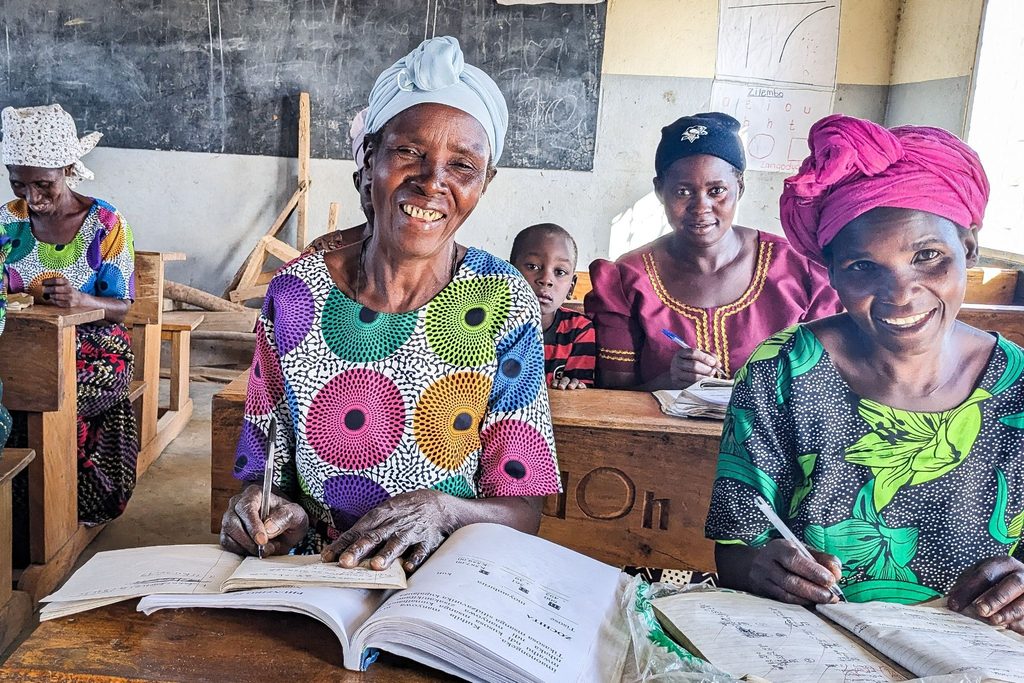
buildOn’s Adult Literacy Program teaches reading, writing, and basic math to parents and grandparents in the evening in the same school buildings their children attend by day. Participants then apply what they’ve learned to income-generating work they choose themselves, with help from seed capital from buildOn.
In Shankarpur, Nepal, Asha Devi B.K. left school in third grade after her father died, taking on responsibility for her mother’s household before marrying at 18. She thought education was out of reach for decades until buildOn launched an Adult Literacy Program in her village. “The classes helped me remember the letters and words I had forgotten,” she says. “Now I can read short words, do basic calculations, and even use a calculator.” She also learned to use her phone independently and can read prices at the market on her own. “Being able to read the signboards and prices has made everyday life so much easier,” she says.
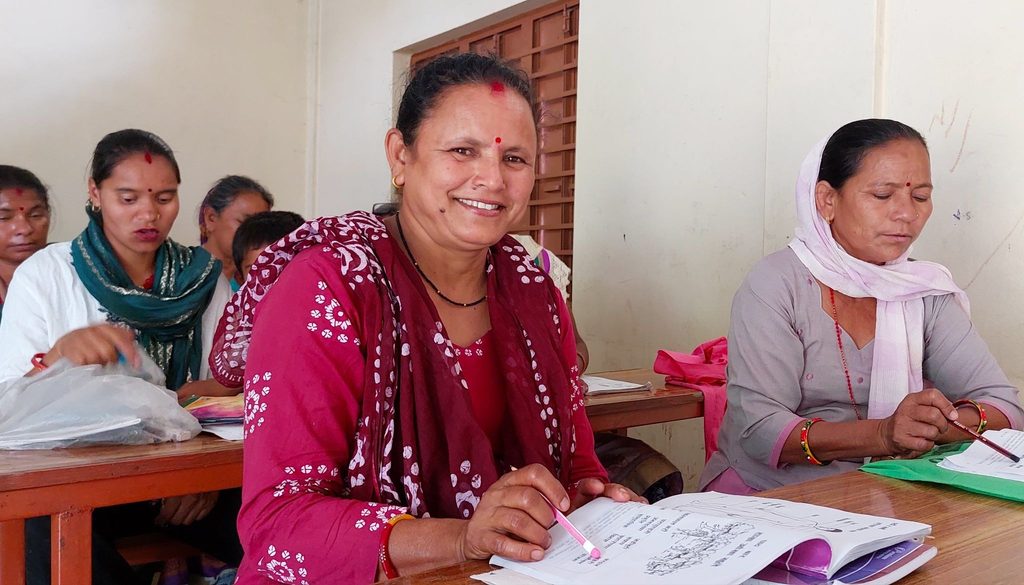
With her new skills, Asha started selling vegetables from her own garden, managing the weighing and pricing herself. Between vegetable sales and goat farming, she now earns about 20,000 rupees a year, enough to help cover her children’s school fees. “Education has given me confidence and independence,” she says. “I can now dream of expanding my vegetable and goat farming on a larger scale.”
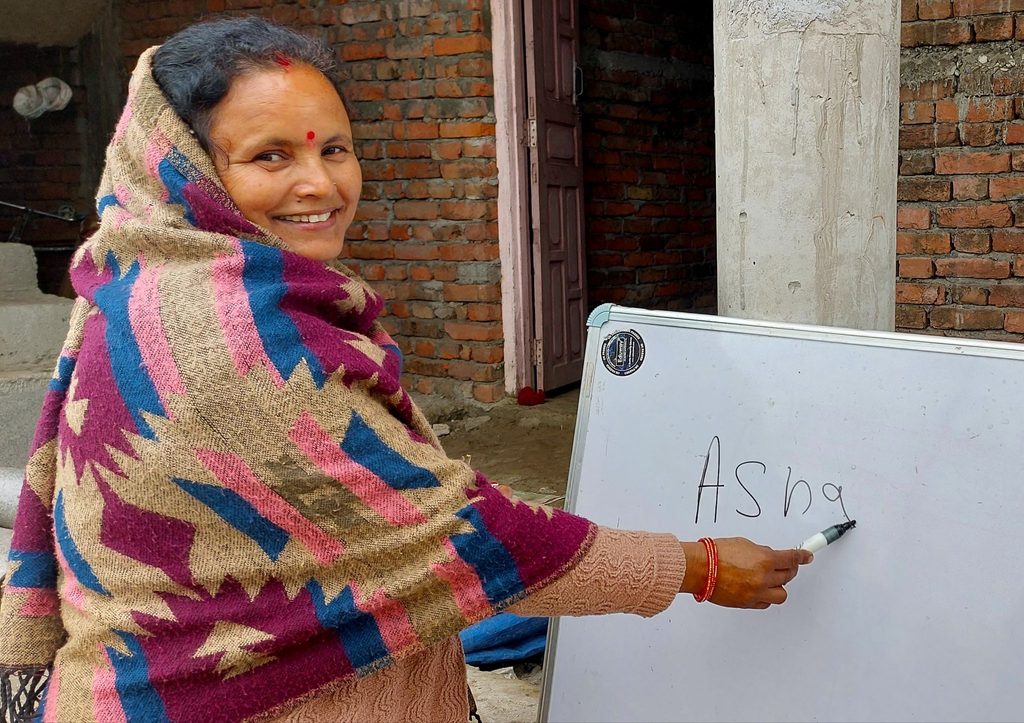
“Education has given me confidence and independence.”
Asha Devi B.K, Adult Literacy Program participant in Shankarpur, Nepal
In Mtoso, Malawi, that same pattern played out for Joana Paulo, a 45-year-old farmer and mother of five. Before the program, illiteracy cost her more than income. “I could not read or write, so when meetings happened, I was never chosen for any leadership position,” she says. Since completing the program, she’s joined a village savings and loans group and received a goat that has since had three kids of its own, adding another source of income for her family. She’s planning to put her next savings payout toward a small fish business. “I hope this investment will help me earn an income and provide more opportunities for my family,” she says.
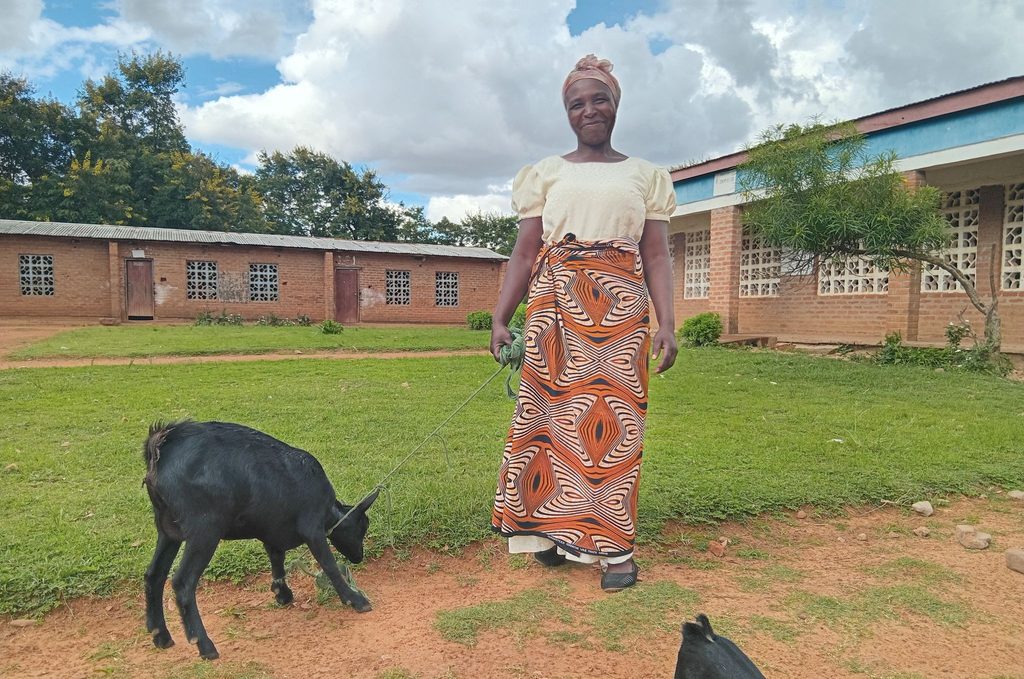
More than 50,000 adults have completed buildOn’s Adult Literacy Program to date. Eighty-two percent of them are women.
What Happens When a Community Builds a School?
The most detailed evidence for the impact of our programs comes from a 2026 study of 30 villages across 5 regions of Senegal, conducted with QQ Research and Altai Consulting and based on surveys of more than 2,000 community members.
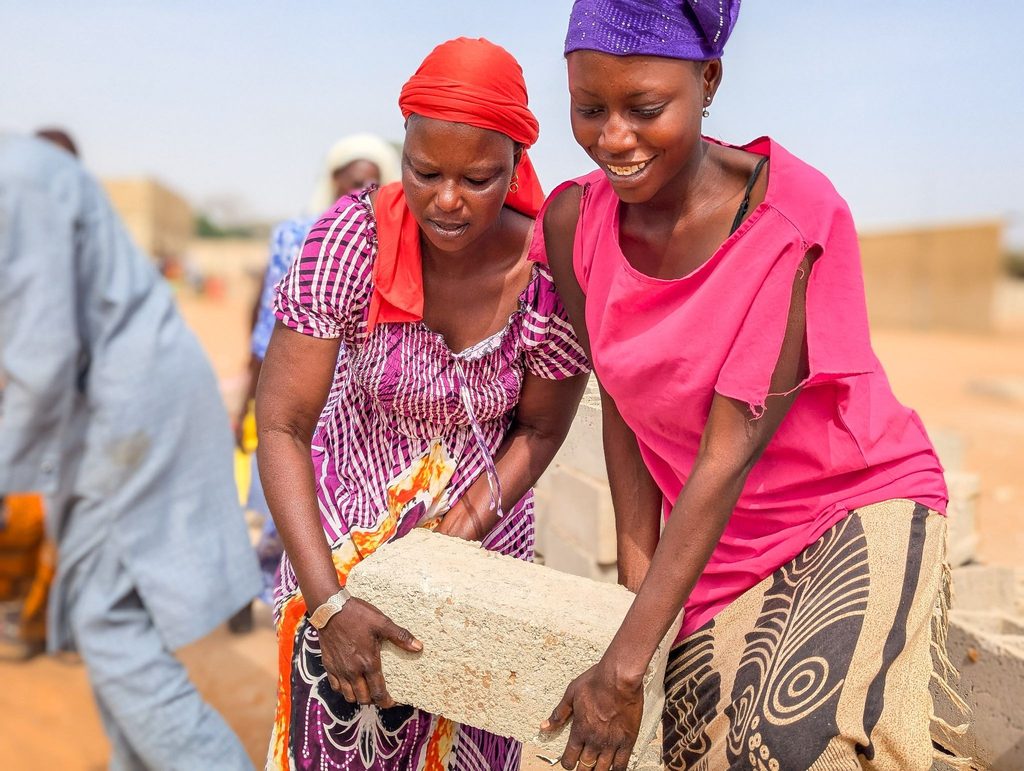
Among households specifically tied to the Enroll and Adult Literacy programs, average monthly income rose 54 percent. Graduation rates climbed for both girls and boys once a school was built, up 47 percent for girls and 37 percent for boys, with the largest gains among the students who’d previously had the least access to school at all.
The economics compound over time. buildOn schools are engineered to last 100 years, and after a school has served a community in Senegal for a decade, the cost to send one additional student through primary school falls to about $186.
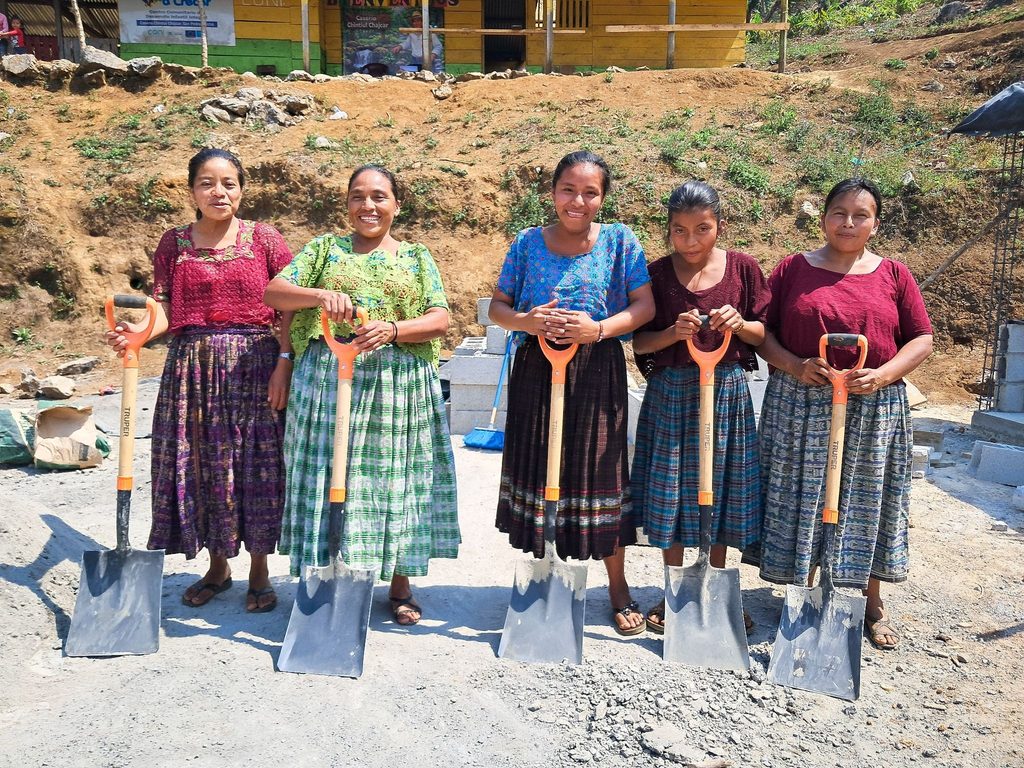
That investment doesn’t stop once a school opens. On average, communities go on to put another $10,000 of their own resources into further building and improvements, without buildOn’s direct involvement.
Do buildOn’s Programs Reduce Poverty in the U.S.?
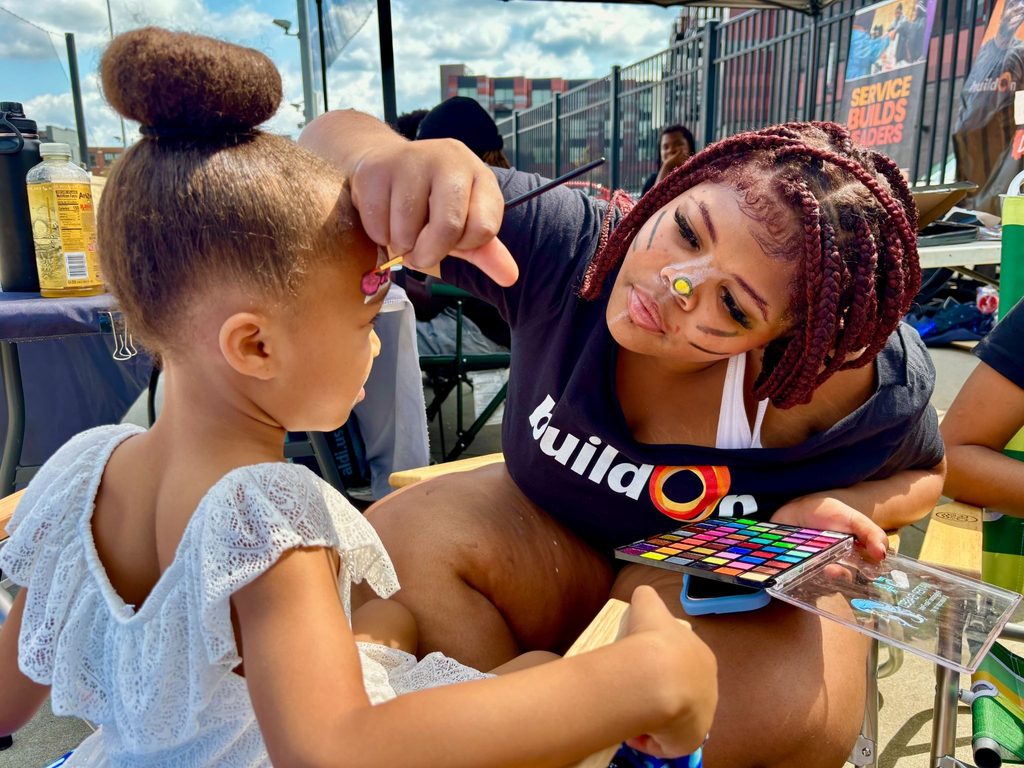
The pattern isn’t unique to low-income countries. Alongside our global work, buildOn runs service-learning programs in high schools across five U.S. regions: Boston, Bridgeport, Chicago, Detroit, and the Bronx. Students lead their own community service projects, take on real responsibility, and build leadership skills outside the classroom, the same kind of engagement that shows up later in stronger attendance, graduation, and college enrollment.
A 2026 study of buildOn’s work in the Bronx, independently validated by two NYU researchers using official New York City Public Schools records, found that buildOn students enroll in college at higher rates than their peers, and the longer a student participates, the wider that gap grows. The study measured buildOn students against peers with the same demographics, the same academic starting point, and the same schools.
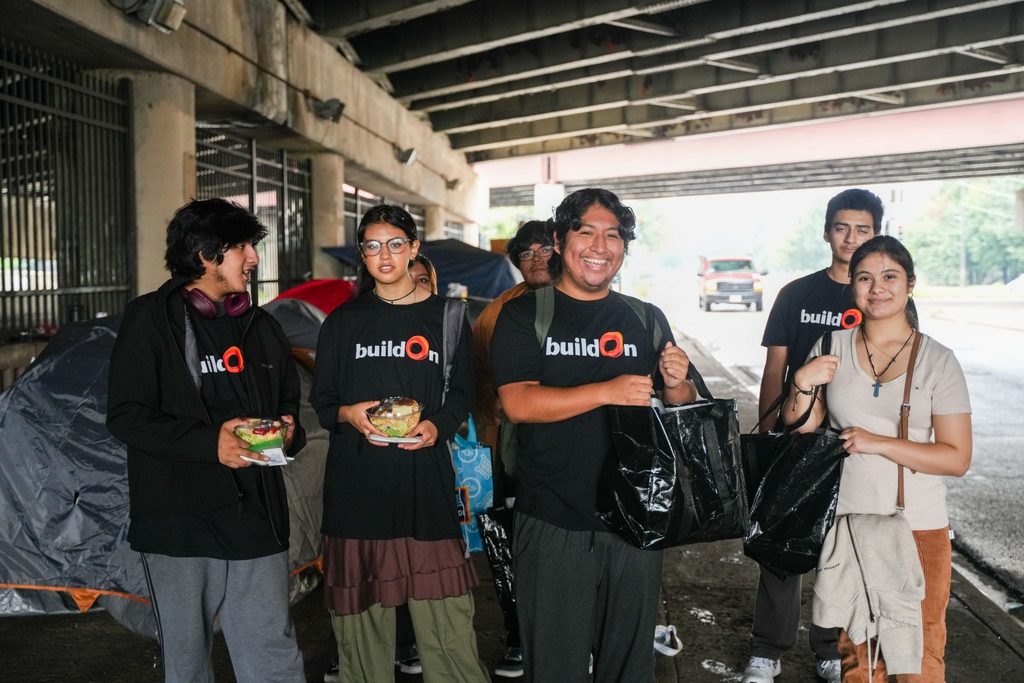
The income difference graduating high school and going to college makes is well documented. According to the U.S. Bureau of Labor Statistics, in 2025 high school graduates earned a median of $966 a week and workers with a bachelor’s degree earned $1,578 a week, compared to just $770 a week for those without a high school diploma. Finishing high school, then finishing college, measurably lowers the odds of living in poverty in the United States.
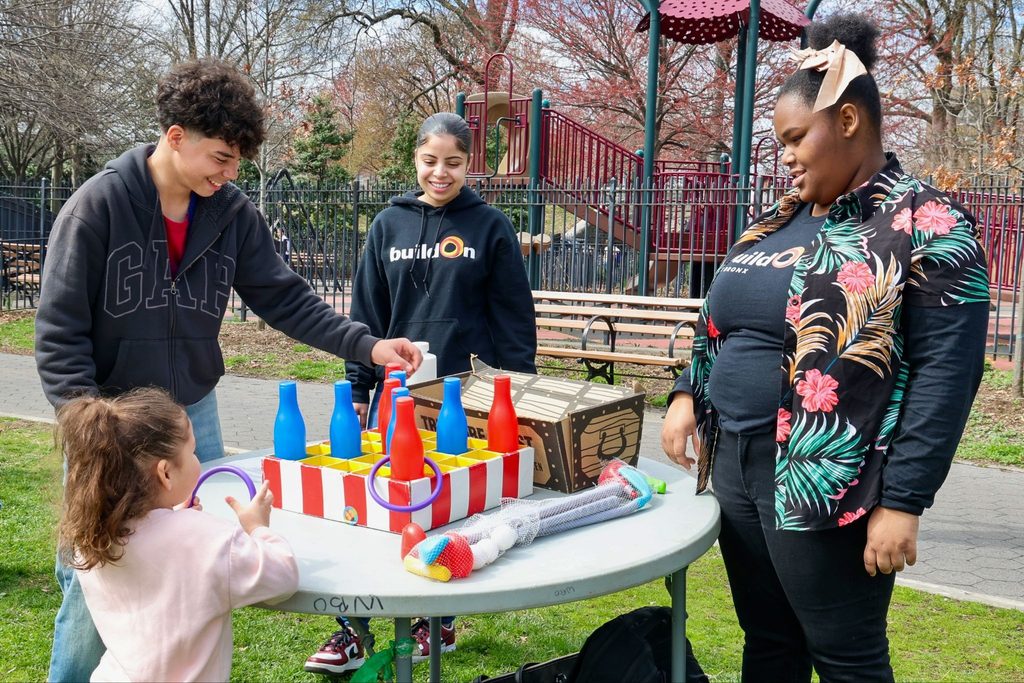
Over four years, buildOn students also gained more than seven additional weeks of instructional time compared with matched peers who didn’t participate, nearly a fifth of a full school year.
Nearly 90 percent of students in the schools we work in in the Bronx live in poverty. The gains associated with our programs held up even after researchers controlled for poverty, English language learner status, and disability status.
Impact in Action
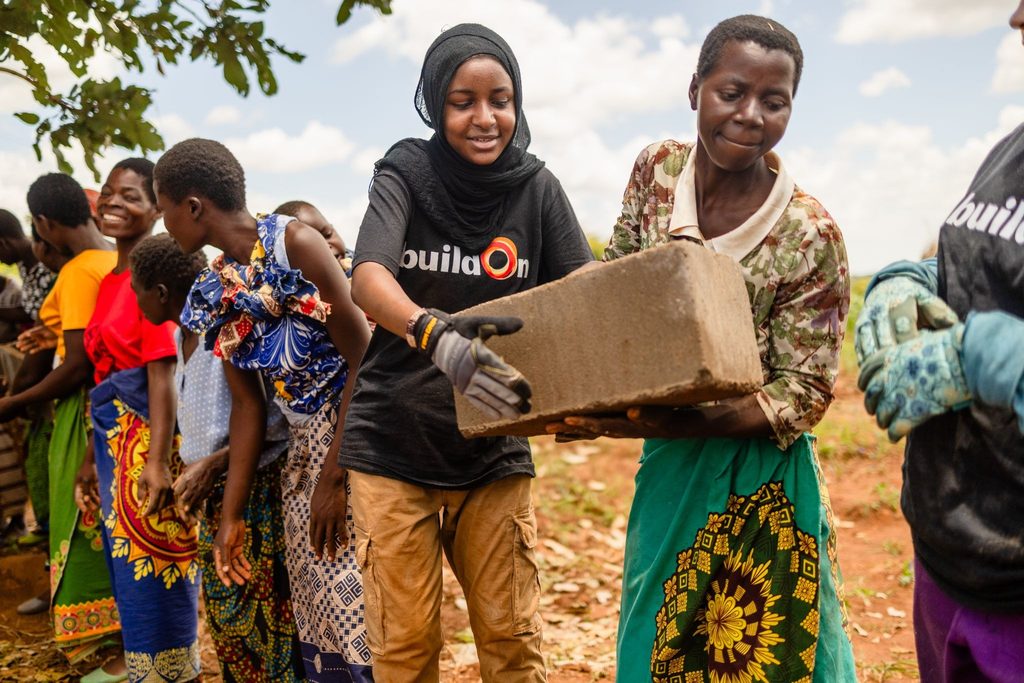
Every statistic above traces back to the same starting point: a community deciding it wants to build a better future, and recognizing that education was the best way to do so.
The impact looks different depending on where you stand. It’s Asha reading a price tag on her own for the first time. It’s Joana watching her harvest grow because she can finally track what works. It’s a village putting its own money back into the very school that got it started.
That’s what a 10 percent return on a year of schooling actually looks like.
Want to stay on top of our work around the globe? Sign up for buildOn emails today.
If you want to help promote access to education in the communities that need it most, consider making a tax-deductible donation to support buildOn’s work today.