

From Workplace to Worksite: Synchrony’s Senegal Trek


What does it look like to be the best place to work in the country?
For Synchrony, a leading consumer financing company that has been at the heart of American commerce and opportunity for nearly a century, it looks like trust. It looks like people showing up for each other. It looks like taking action to build a better world.
In 2026, Synchrony was named the #1 Best Company to Work For in the U.S. by Fortune and Great Place to Work. This recognition reflects a culture where employees feel valued, supported, and empowered to make an impact.
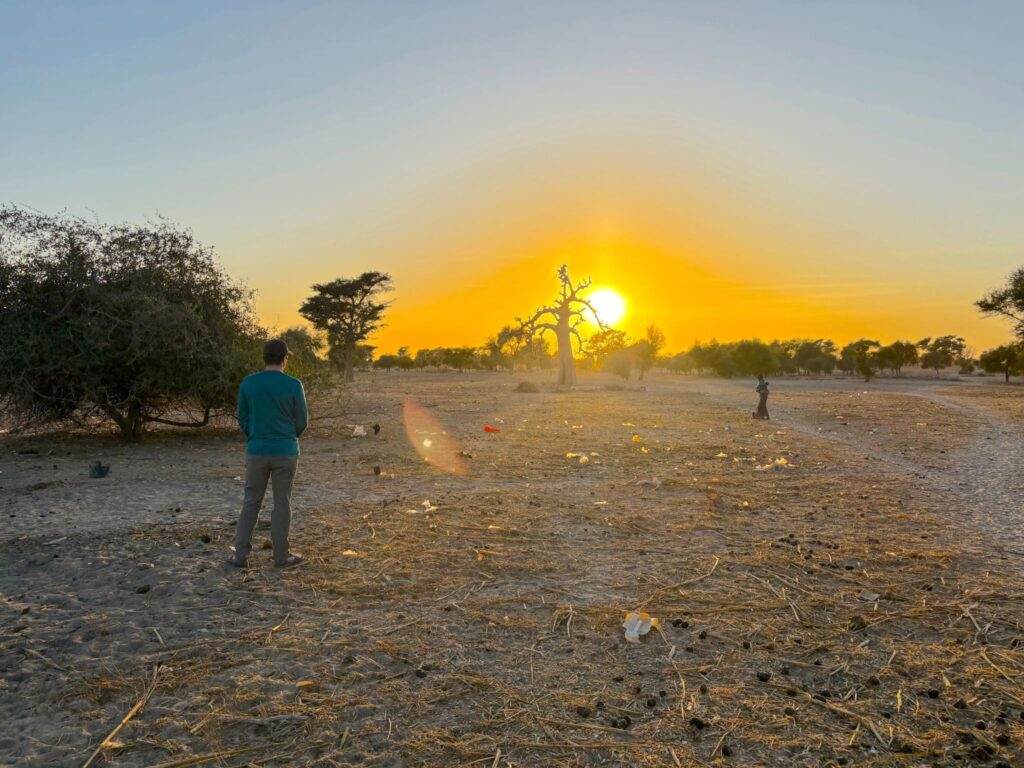
That culture doesn’t stay in the office. It shows up in communities around the world. Earlier this year, it showed up all the way in Loukouk, Senegal, where a team of Synchrony employees went on a buildOn Trek to construct a school.
Why This Trek Matters
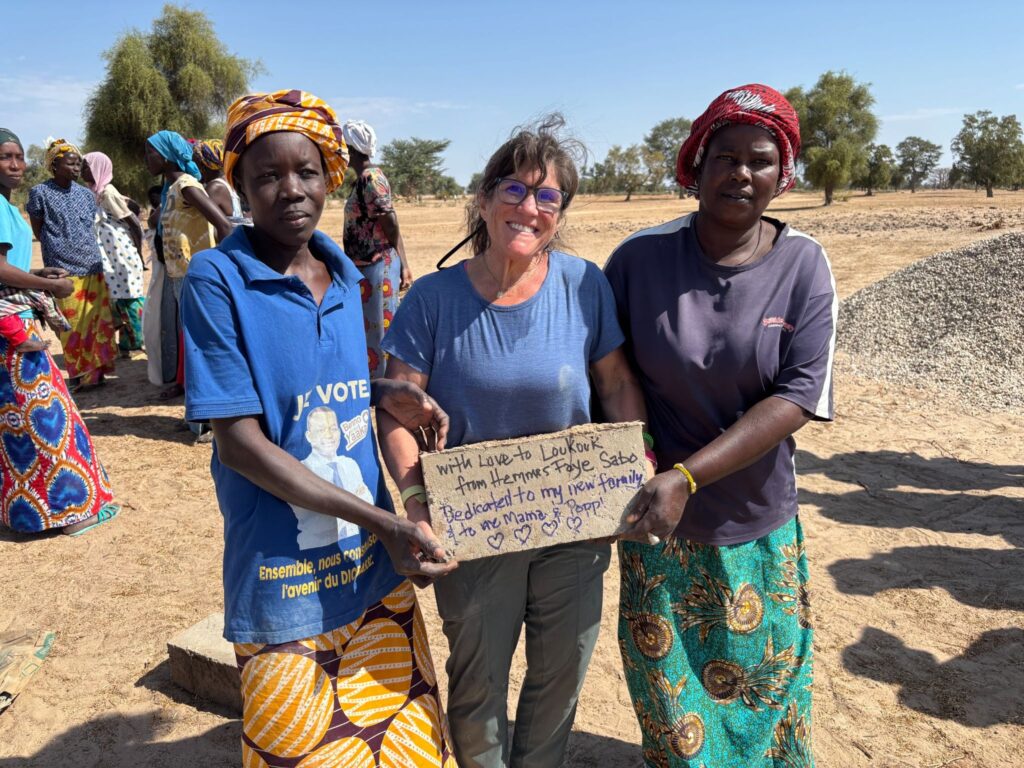
This story shows what happens when a company’s values are put into action.
Twenty Synchrony employees traveled to Senegal not just to give back, but to work alongside a community, experience their community, and build trust outside the workplace.
Here’s what you’ll see:
- A company culture rooted in trust, connection, and shared purpose.
- Employees stepping outside their usual day-to-day lives to build alongside a community.
- A school that will expand access to education for generations of students.
- A long-term commitment, including support for adult literacy in the community.
Together, these moments show how values can go beyond just defining a workplace and shape impact far beyond it.
Ready to start your own Trek journey with your company, school, family, or friends? Sign up today.
Connecting With the Community
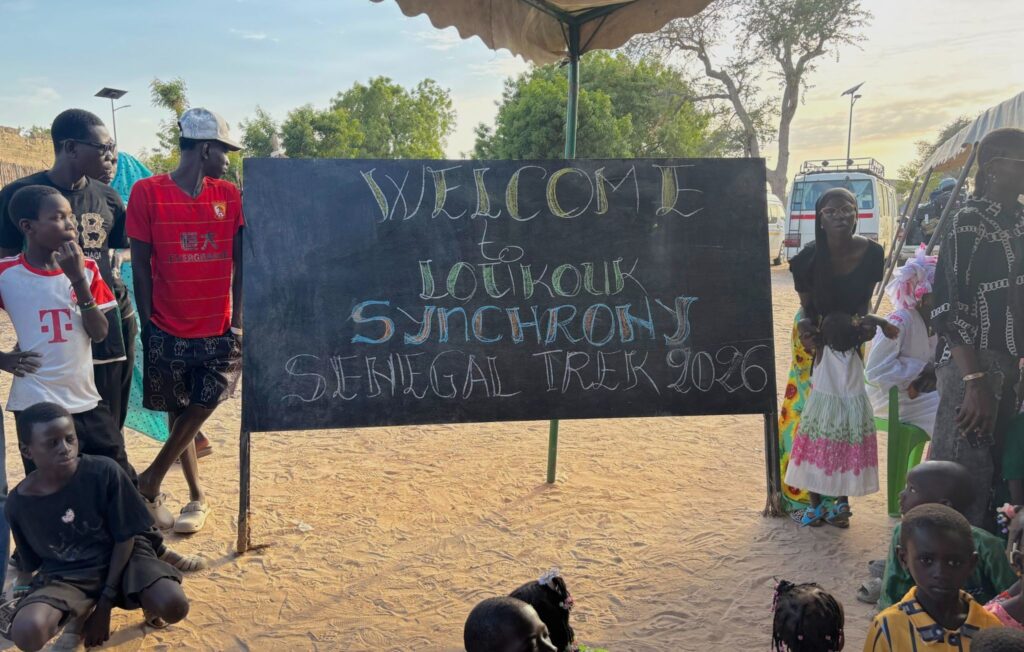
When the Synchrony Trek team arrived in Senegal, they began by learning a simple phrase in Sereer, Loukouk’s local language: Mbaldo. Good morning.
By the end of the week, they had learned something deeper: What it means to build a school in solidarity with a community.
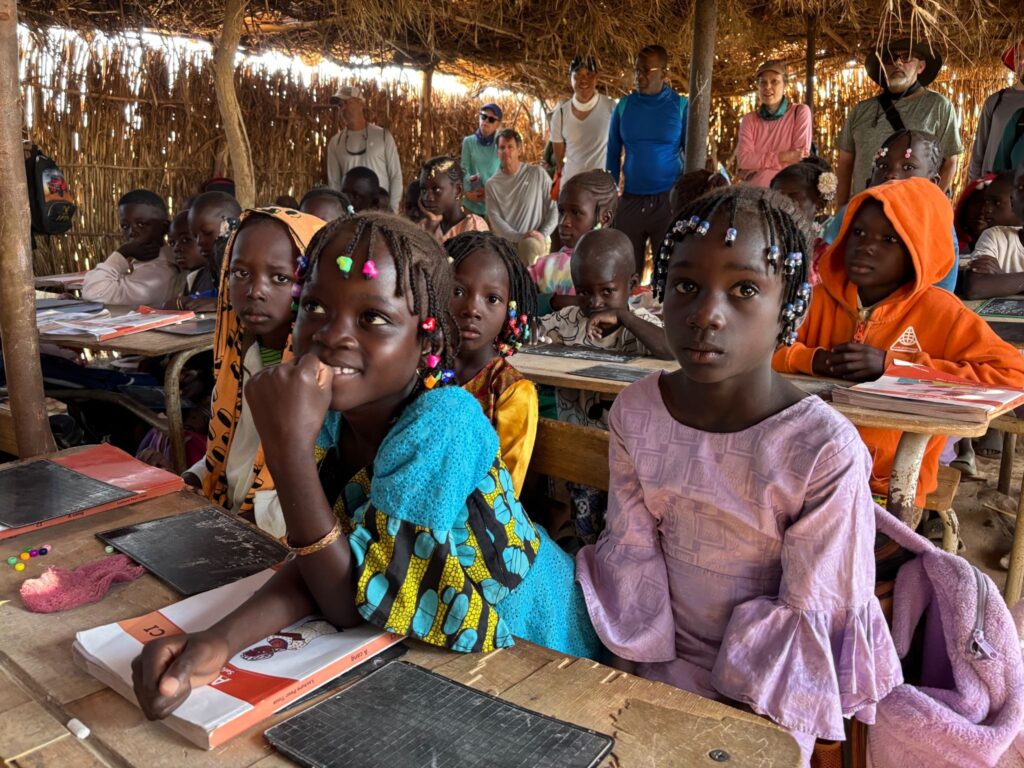
In Loukouk, access to education was limited. The existing school was a temporary structure made from wood and millet stalks, with space for just one grade level. When it rained, the roof leaked and classes had to be canceled.
Together with the community, the Synchrony team worked to change that.
Each morning, they stepped onto the worksite to dig the foundation, carry sand, tie rebar, and make bricks. The work was physical. The heat was real. But the purpose was real too, and the Synchrony team and the community did all of it together as one.


“You see their commitment and their buy-in. It’s not just us building a school for them,” said Marvin Campbell, Retired Senior Vice President and Chief M&A Counsel at Synchrony. “It’s us building a school with them. And I think that’s an important distinction because they are committed and they have put resources into this just as we have.”
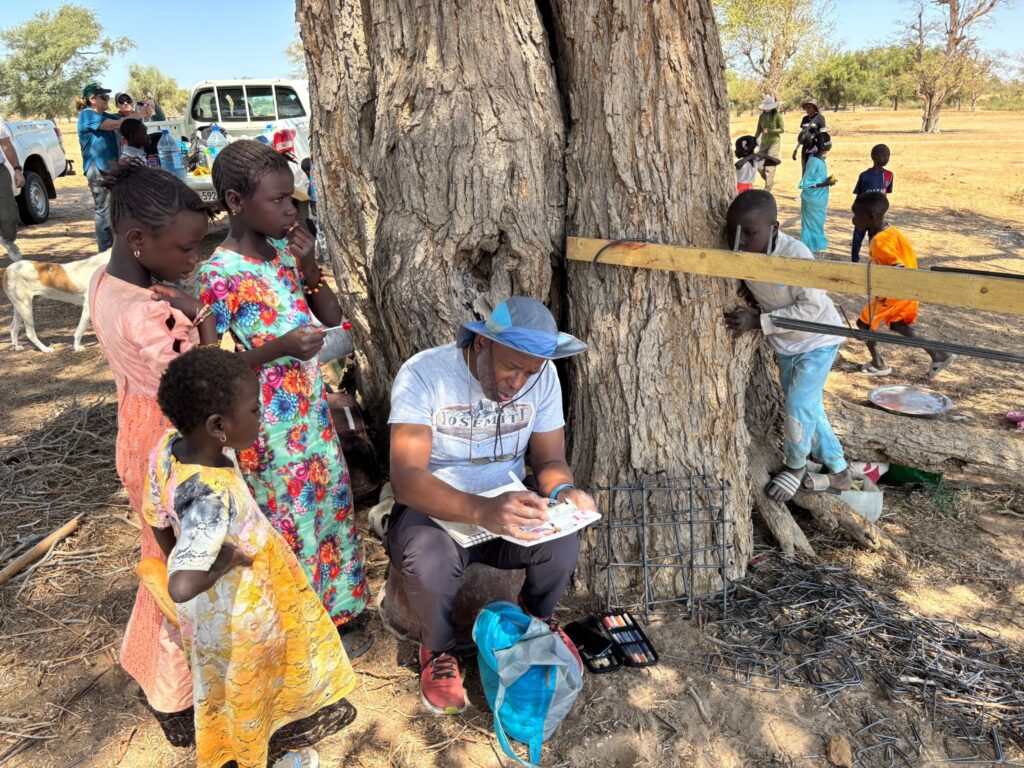
“My biggest takeaway is how united the community is,” Jack Kelleher, Assistant Vice President of Marketing for OnePay at Synchrony added. “Every step of the way, they all come out to support each other. So they’re really bought in on building the school.”
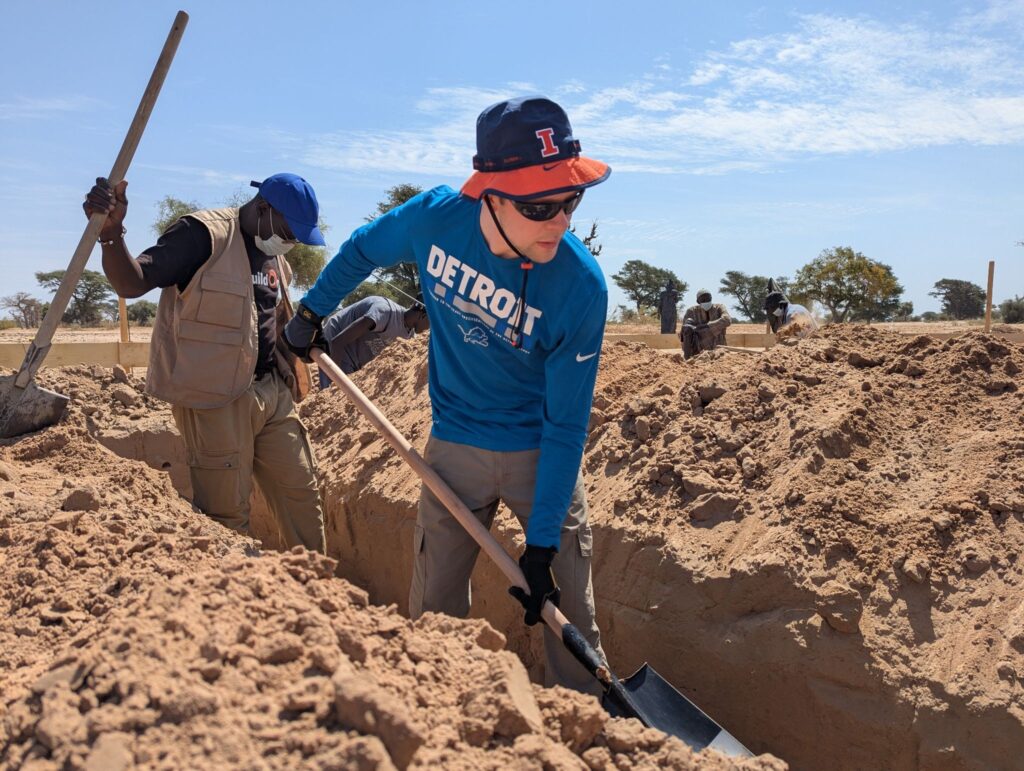
“It’s not just us building a school for them, it’s us building a school with them.”
Marvin Campbell, Synchrony
What Trust Looks Like in Action
Synchrony’s recognition as a great place to work is rooted in a high-trust culture where employees feel empowered to lead, contribute, and grow.
On Trek, that culture was most visible.
Colleagues who had never worked closely together or even met became a team in just days. They problem-solved, supported each other, and pushed through challenges side by side.
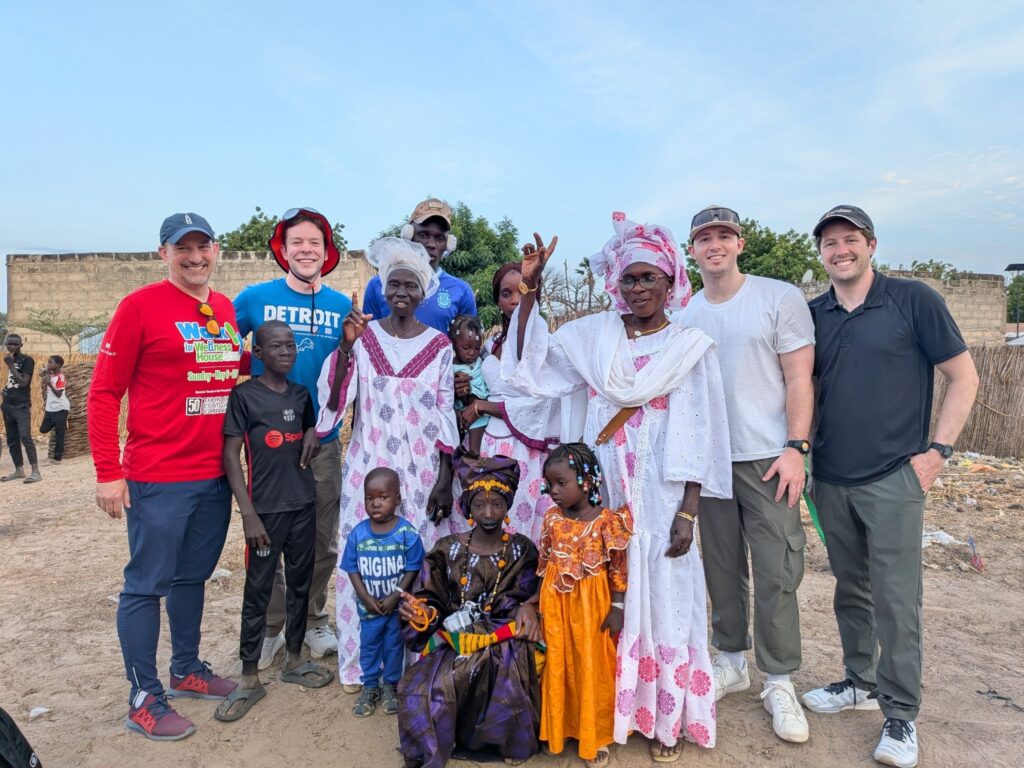
“One of the women in our host family asked if we were all related, and we told her we weren’t,” Will Kievit, who works in Products & Technology at Synchrony, explained. “So she asked how long we’d known each other because it seemed like we were close like brothers. And actually, most of us had only just met when the Trek started two days ago. So it was really cool to see what Trek has done in terms of bringing us all together and uniting us around a common goal.”
“The whole team has built a deeper relationship with each other,” Marvin added. “I think the cohesiveness they’ve built and the bonding that they’ve done is going to last. It’s going to help in their work and their relationships. No doubt.”
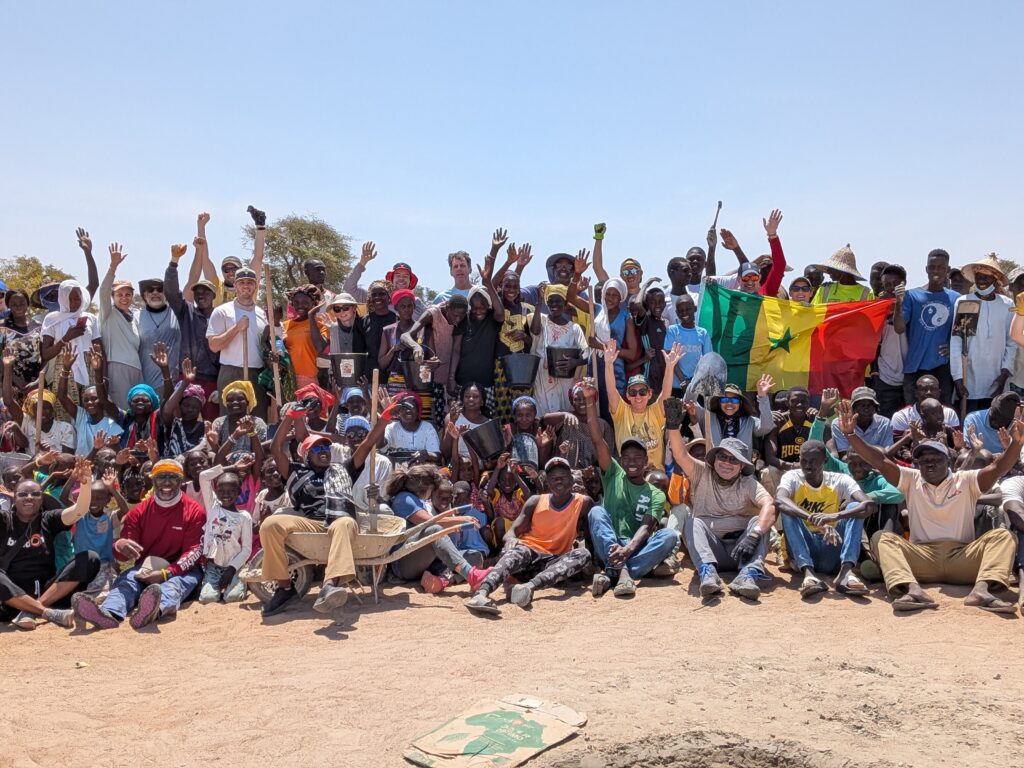
That same trust extended beyond the team, and went both ways.
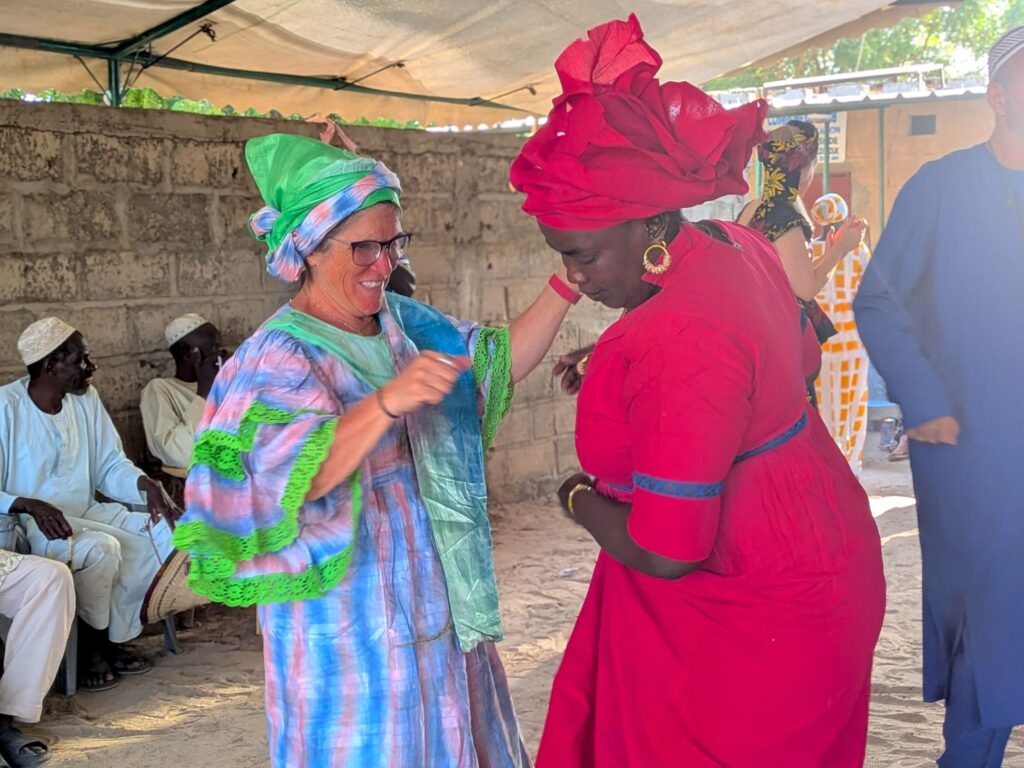
It showed up in every interaction between the Synchrony team and the Loukouk community. In the way families welcomed participants into their homes. In the way work was shared. In the way stories were exchanged.
“It seemed like we were close like brothers. And actually, most of us had only just met when the Trek started two days ago.”
Will Kievit, Synchrony
More Than a School
By the end of the week, the foundation of a new school was in place. But the impact didn’t stop there.
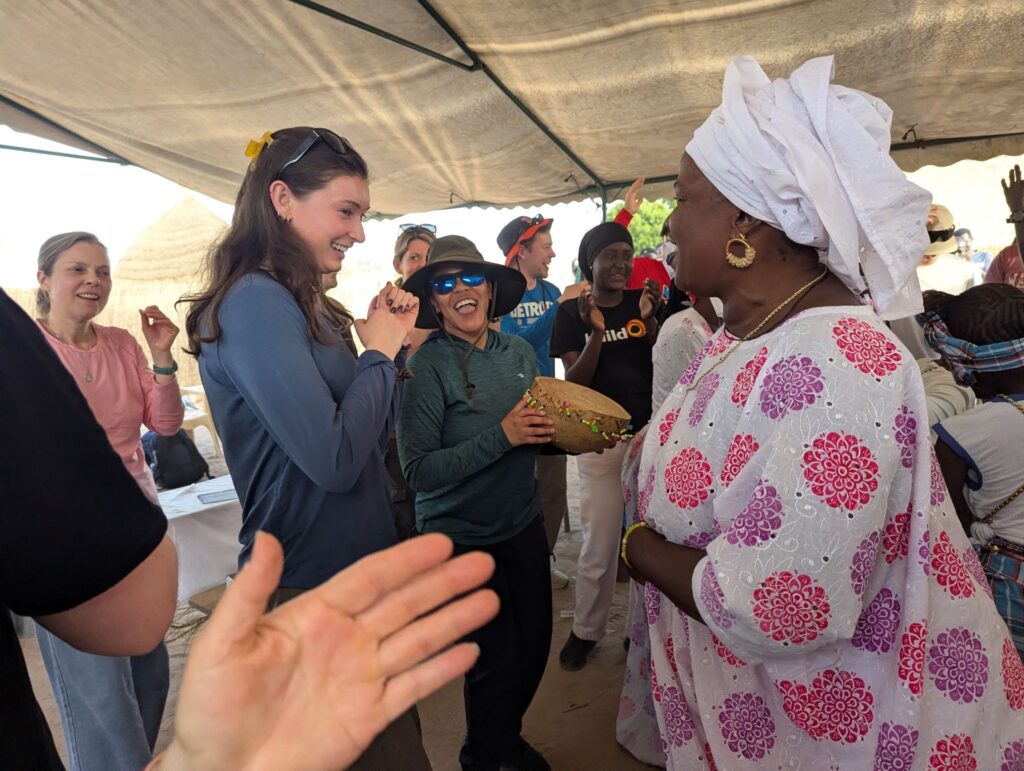
During the closing ceremony, garbed in traditional Senegalese clothing given to them by their host families, the Synchrony team announced that they had made another commitment. They would fund an Adult Literacy Program in the community.
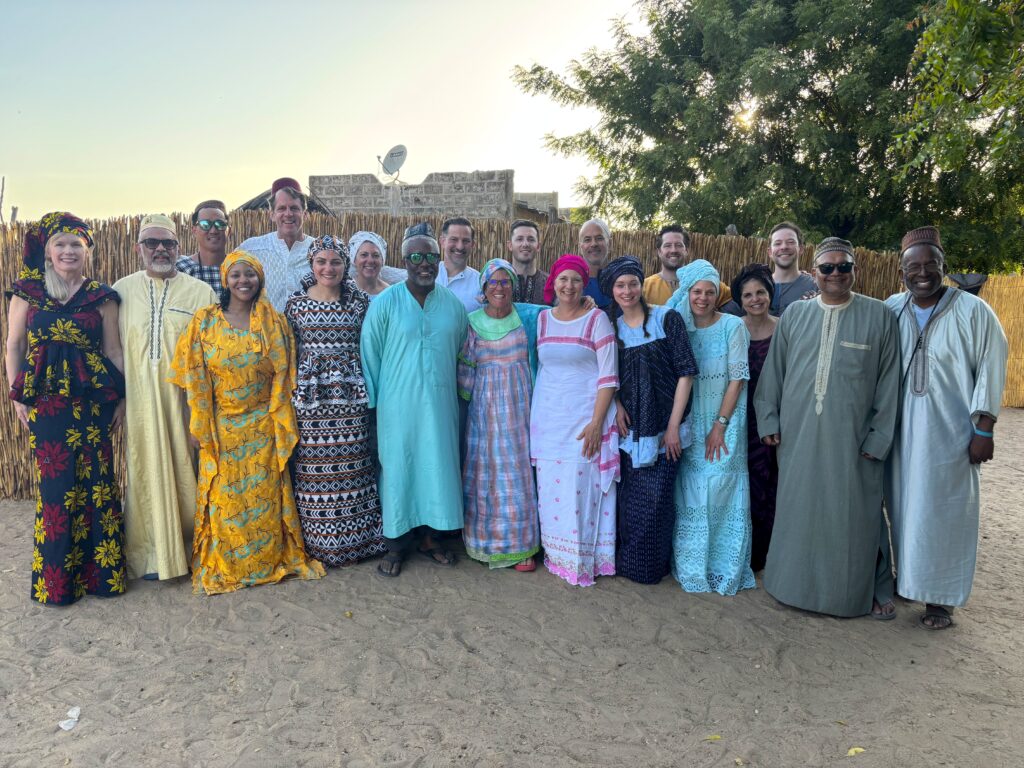
With this pledge, the team ensured that the school they built would not only impact the lives of children in the community, but their parents as well.
“One of the matriarchs of my host family is really looking forward to going back to school and learning to read and write as well,” explained Jon Pershing, Senior Vice President & General Manager at Synchrony. “That’s not just one generation of change. It’s many generations of change.”
This is what a long-term, holistic partnership looks like.
The Power of Showing Up
In Loukouk, the Synchrony team saw that learning doesn’t only happen in classrooms.
It happens around cookfires, where participants were taught how to prepare couscous from millet. It happens in the streets of the village, where they watched traditional wrestling. It happens in conversations between men and women sharing their lived experiences.


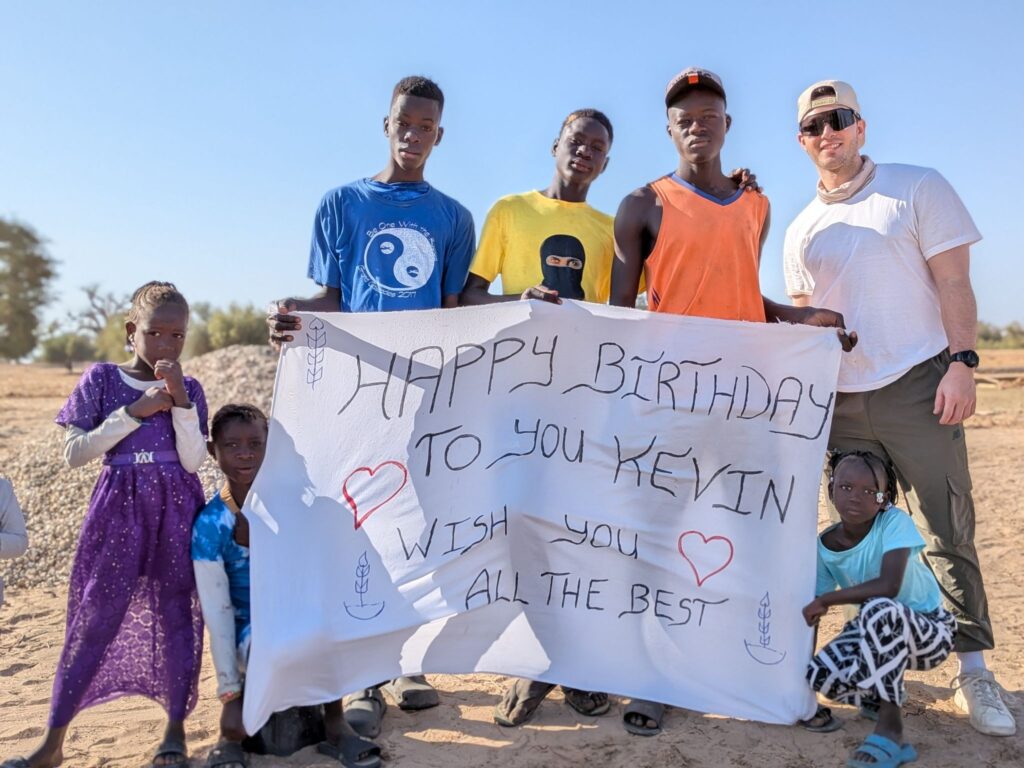
And it happens in the quiet moments at night, sitting with host families, finding connection even without being able to speak the same language. “We have come together, regardless of not knowing the language, to communicate with each other and form these common bonds of friendship,” said Kathy Vogt, Senior Vice President of Enterprise Initiatives at Synchrony.
By the end of the week, every participant had been given a Senegalese name. A symbol of belonging.
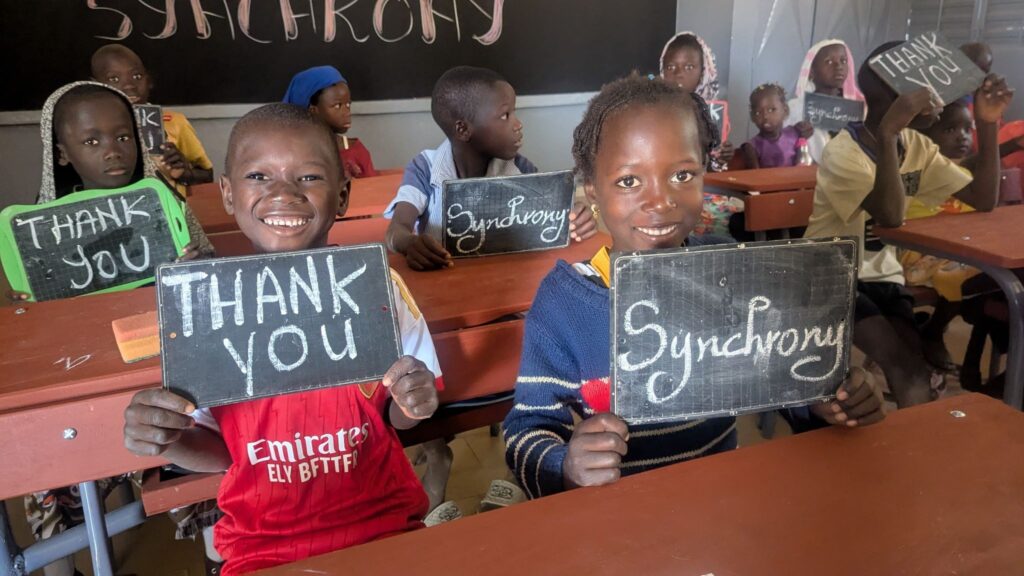
And one word stayed with them: Jokanjal. Thank you.
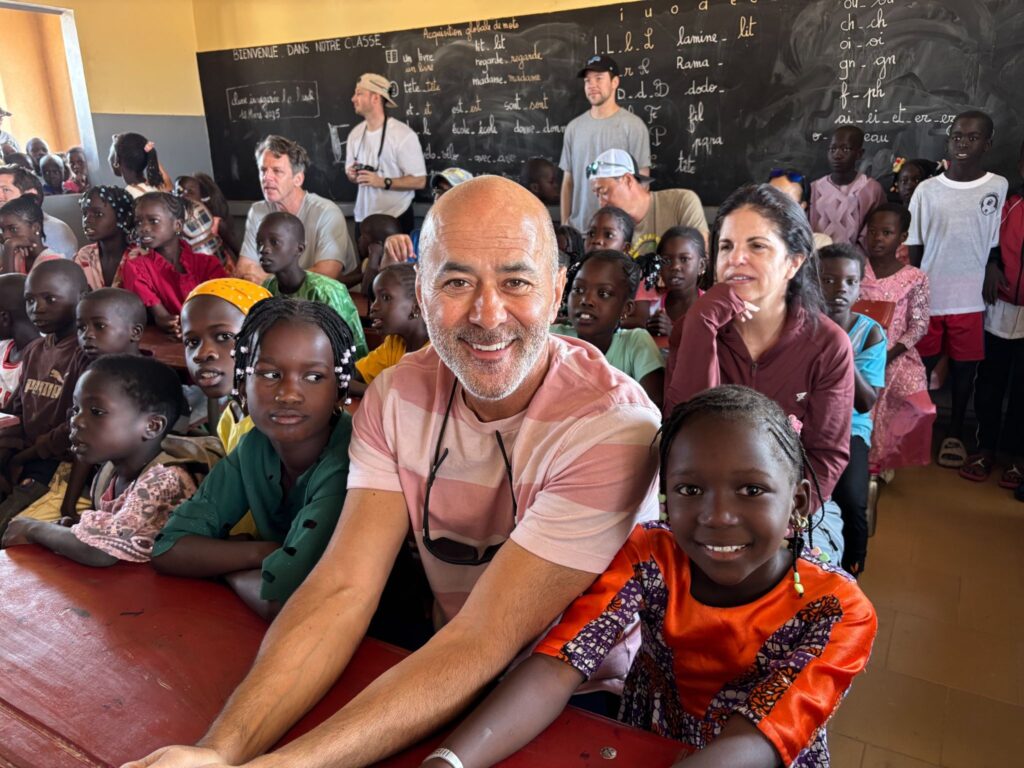
Why This Work Matters
Before, Loukouk’s 65 students were enrolled in a single small temporary school building. There was one teacher. One grade level.
Thanks to the solidarity shown by both the community and the Synchrony Trek team, all of that has changed. The village has a large, solid new school building with room for many more students, children and adults alike. And in the process of building the school, both groups were changed for the better.
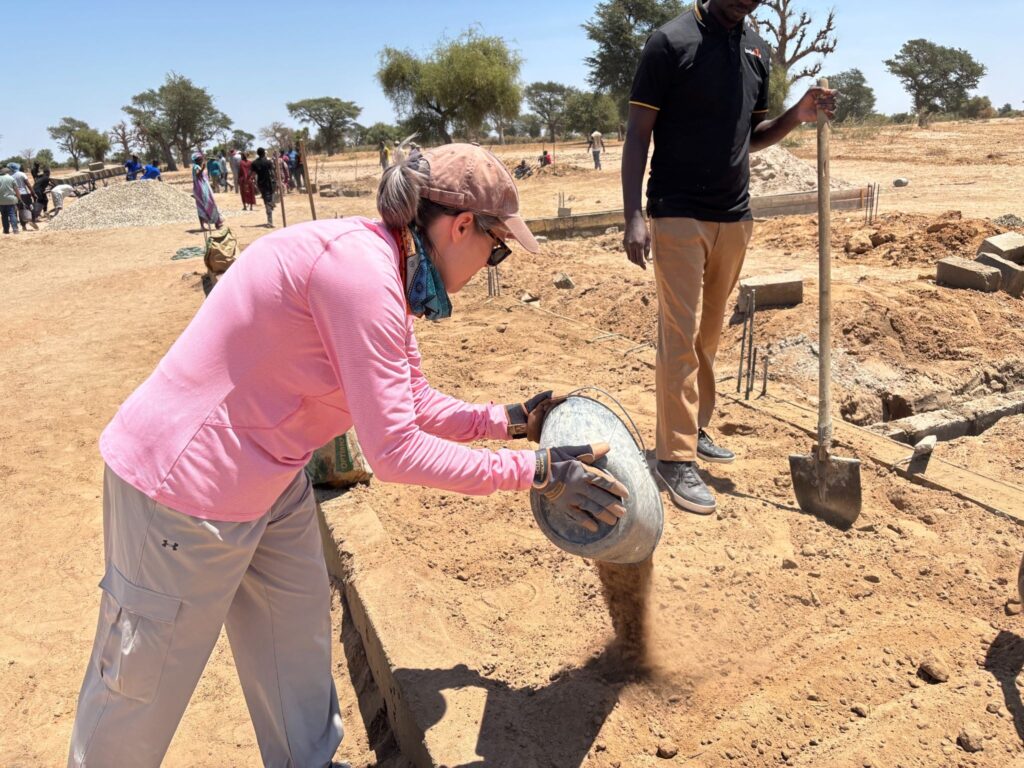
When companies invest in experiences like Trek, they’re not just giving back. They’re strengthening the internal culture that drives their success.
“It’s really important for us to walk the talk,” Jon reflected. “You can have sympathy for people and that’s great. It’s really important to sympathize with people around the world who might be in a tougher situation than you are. But you can’t have empathy for people until you’re walking a mile in their shoes and seeing where they are and truly understanding what they do.”
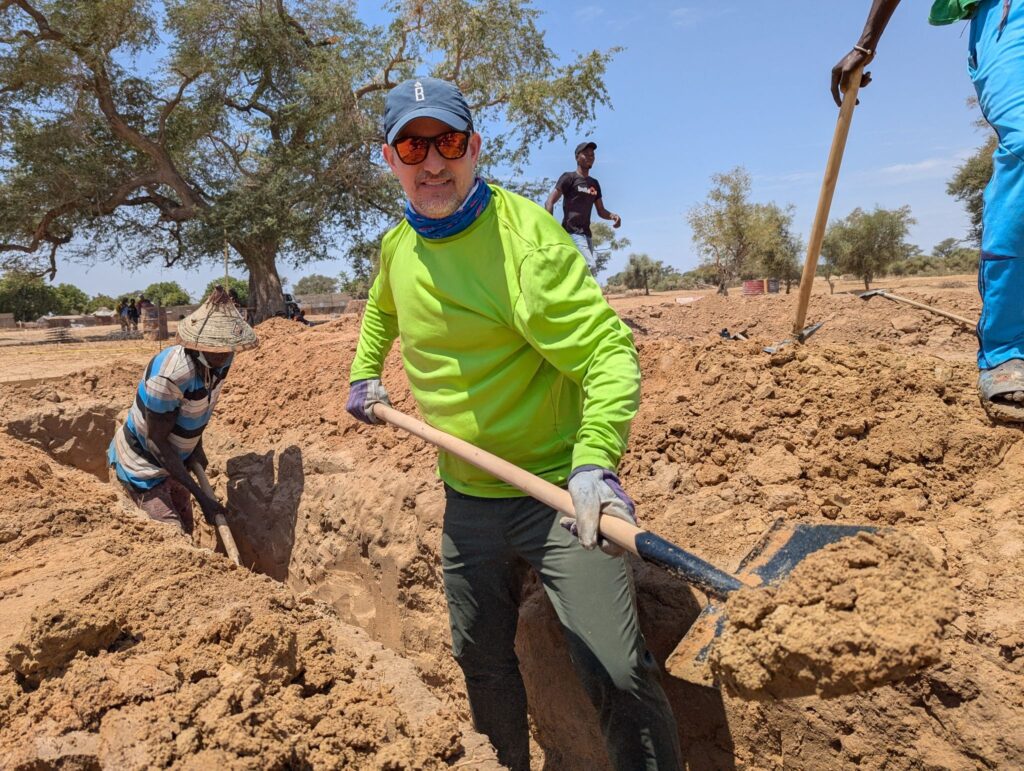
“It’s easy to write a check and financial support is necessary for all good causes to flourish,” Kathy added. “But it is also about putting our faith in making a difference in the world into action and to be able to share our love for other people and other cultures directly in person. That really ties directly into Synchrony’s core values of compassion and honesty and responsibility and being bold and driven.”
“You can have sympathy for people and that’s great. But you can’t have empathy for people until you’re walking a mile in their shoes.”
Jon Pershing, Synchrony
Get Involved
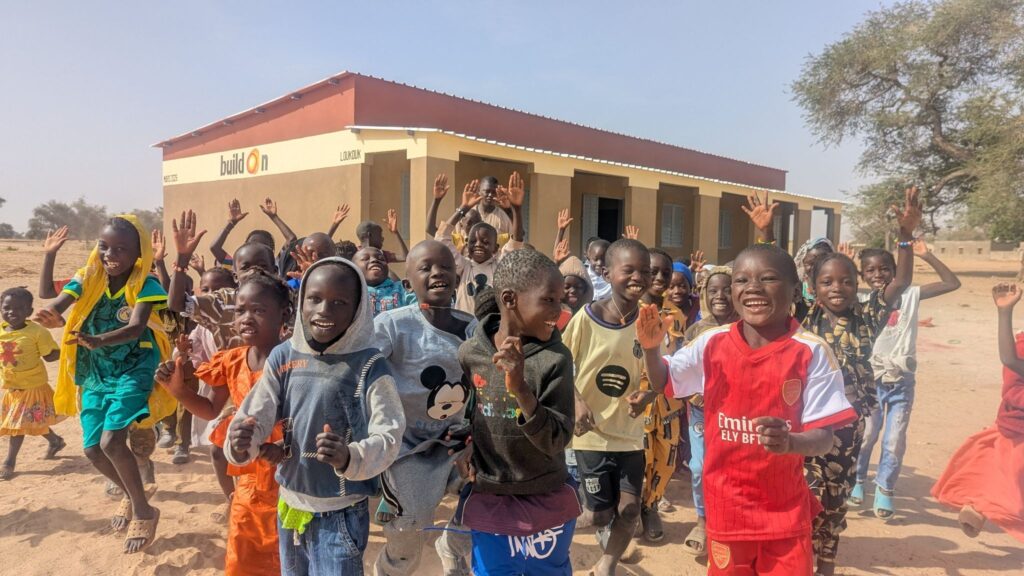
Trek is not about stepping away from work. It’s about stepping into something bigger.
It’s about building alongside communities. Learning from them. And returning home with a deeper understanding of what leadership looks like.
“Don’t think about it too hard,” Marvin said to anyone considering going on Trek. “Just jump right in.”
Ready to take the first step on your Trek journey? Fill out the form on this page to get the process started.