

How to Avoid Voluntourism


Each year, thousands of people travel abroad hoping to make a difference. But good intentions don’t always lead to good impact. “Voluntourism”—short-term trips where travelers try to “help” local communities—often does more harm than good.
If you’re serious about making a positive difference, here are seven ways to avoid voluntourism and ensure your work truly supports local communities.
1. Do your research.
Before signing up for any volunteer trip, learn as much as you can about the organization. What’s their mission? How do they measure impact? Who leads the work on the ground?
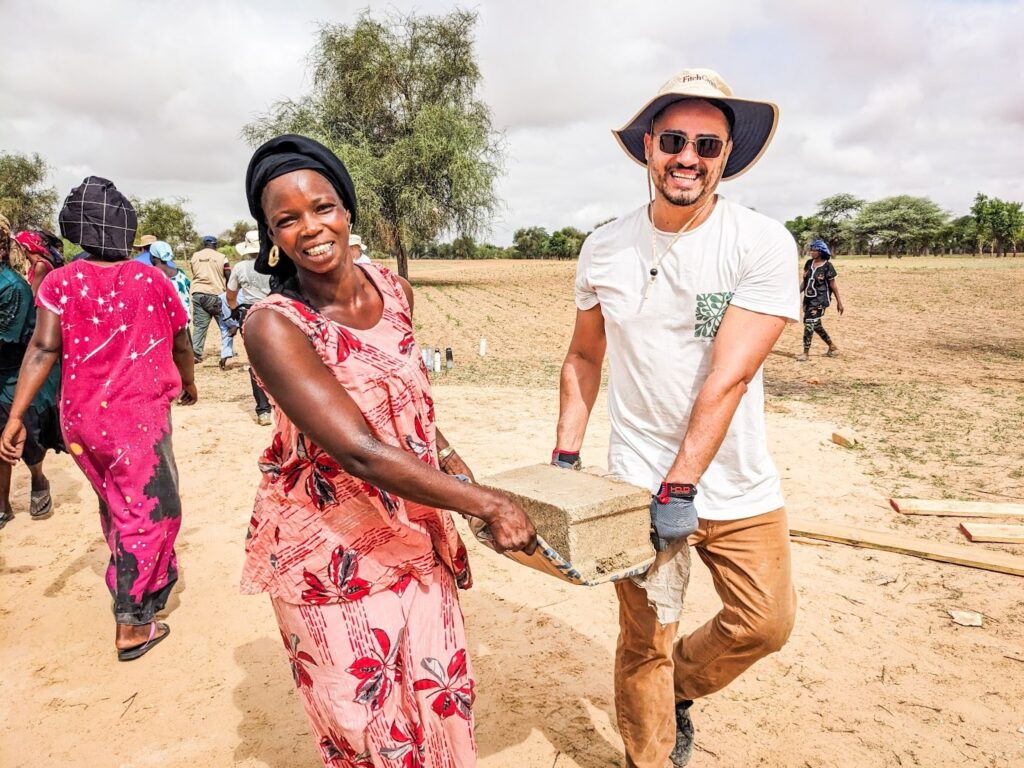
When you travel with buildOn’s Trek program, you’ll see transparency at every step. Trek participants help fund and build schools with rural communities, not for them. On Trek, you’ll witness firsthand how lasting change begins with partnership.
2. Choose organizations that share leadership.
Ethical volunteering means giving local people a seat at the table and a leading voice in the process.
Every buildOn school begins with a covenant between buildOn and the community. Local residents form a Project Leadership Committee with equal representation of women and men, choose the school site, and commit to sending girls and boys in equal numbers once the school is built.
This isn’t charity. It’s collaboration.
3. Look for sustainable impact.
Voluntourism often leaves behind half-finished projects or programs that end when volunteers leave. The best initiatives create lasting systems that thrive without outside support.
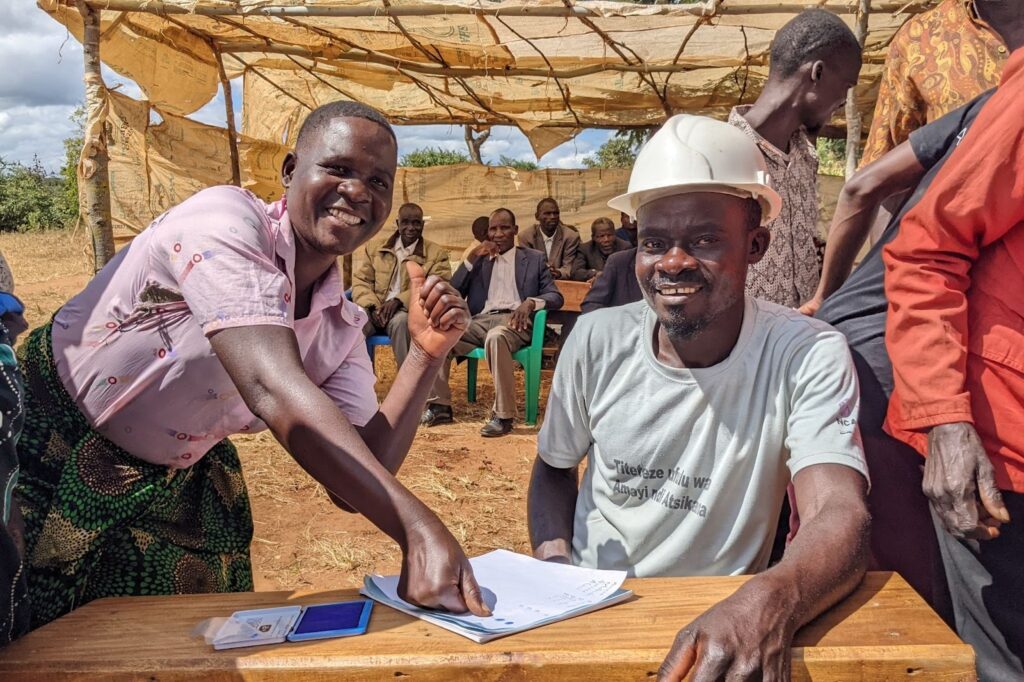
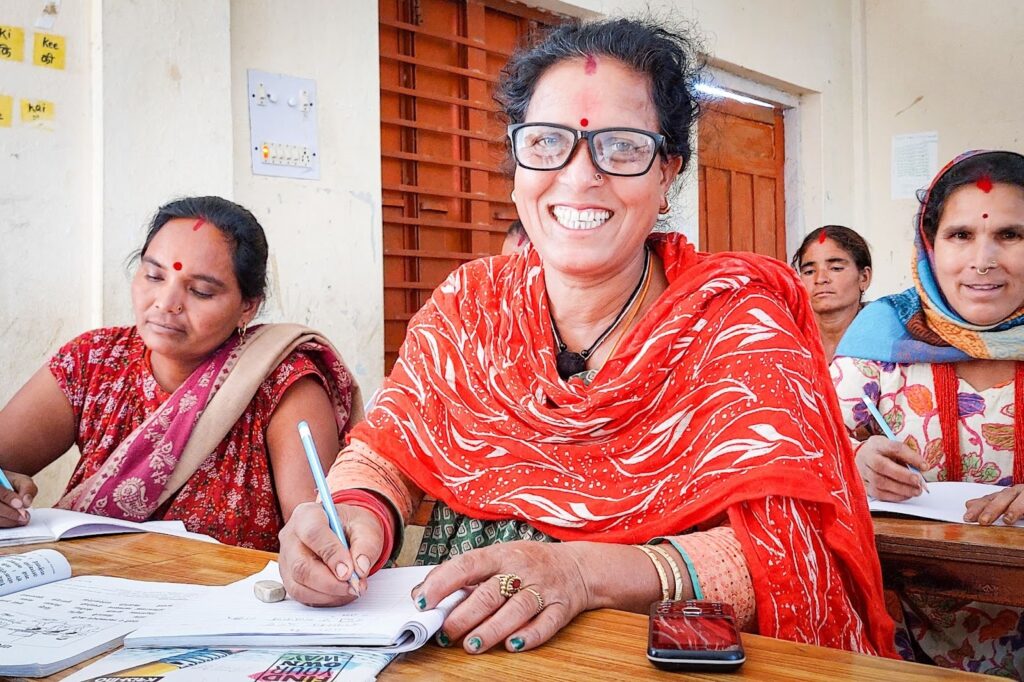
buildOn schools are community-owned from day one. We partner with local governments to ensure each school has trained teachers, a sustainable management plan, and long-term educational programming to keep families learning for generations, like our Adult Literacy and Enroll programs.
4. Go to learn, not to “help.”
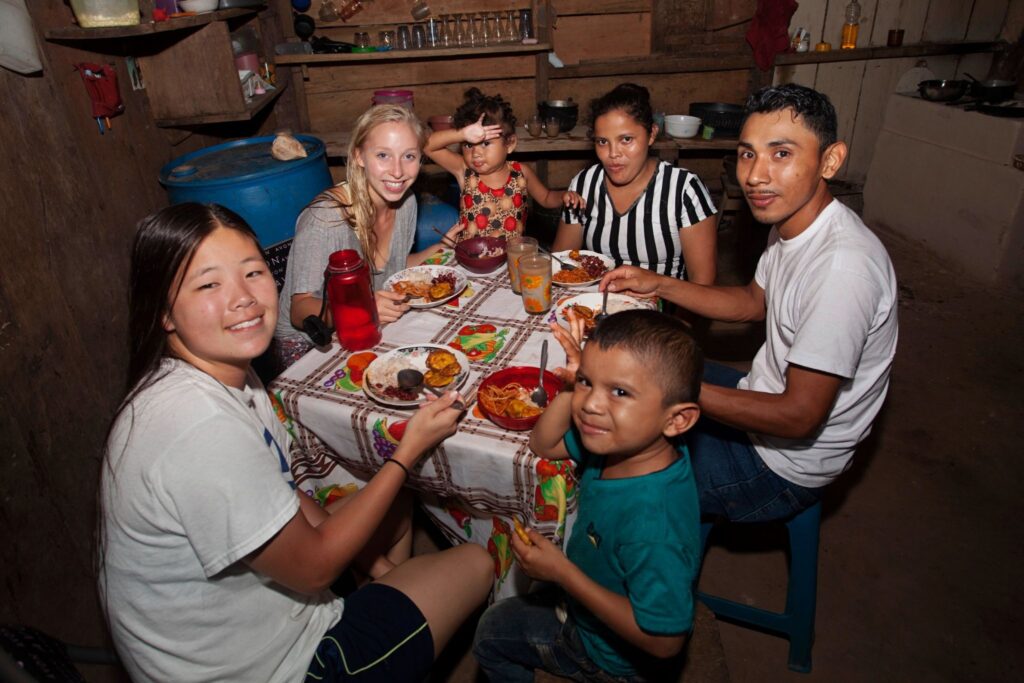
The most meaningful experiences are built on mutual exchange.
During Trek, participants live with host families, join cultural workshops, and engage in honest reflection on privilege and shared humanity. From cooking over open fires to learning local crafts, every moment is an opportunity to listen, learn, and grow.
Because service is most powerful when it starts with understanding.
5. Make sure you’re doing more good than harm.
Some programs, like playing with orphans for a week or posing with wild animals, can unintentionally cause deep harm. Children form attachments that are broken when volunteers leave, and animals are often exploited for photo ops.
Before volunteering, ask yourself: Who really benefits from this experience? The best programs build dignity and opportunity, not dependency or damage.
6. Volunteer with organizations that hire locally.
Ethical organizations invest in local leadership rather than outsourcing expertise.
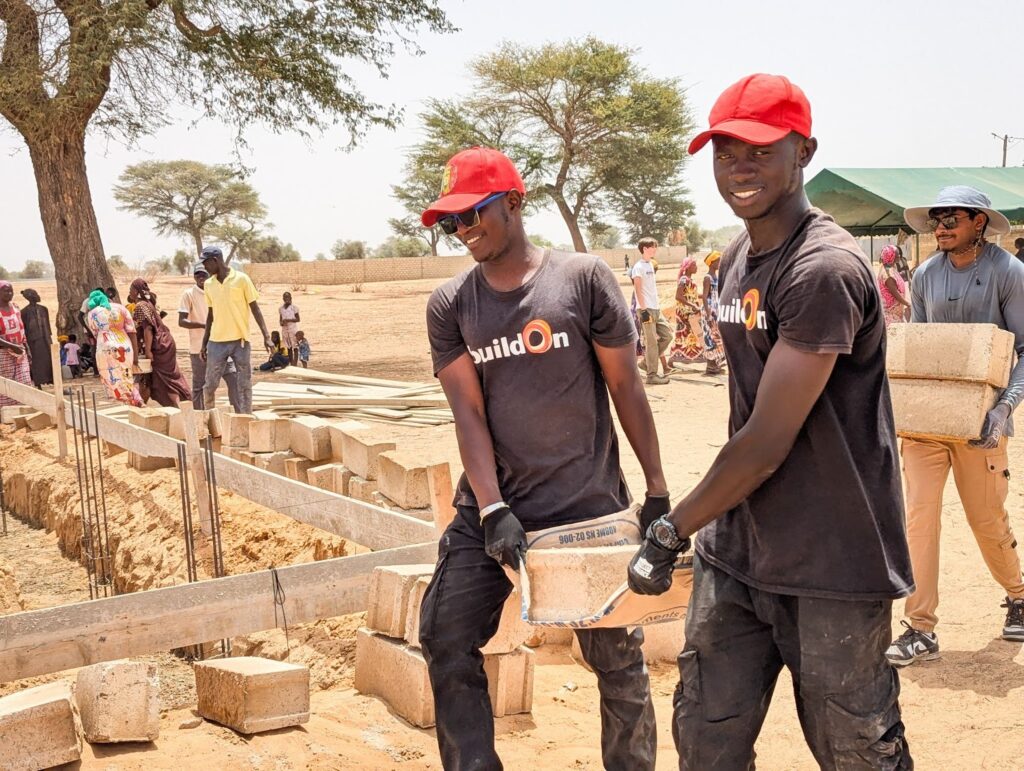
buildOn employs and trains in-country staff who manage every project, from construction oversight to literacy facilitation. These leaders ensure that schools meet community needs and reflect local culture and values.
When impact is driven locally, it lasts.
7. Always ask permission before taking photos.
In many communities, photos can unintentionally cross personal or cultural boundaries. buildOn’s Trek policy prohibits taking photos for the first three days, so participants can focus on building relationships, not photo albums.
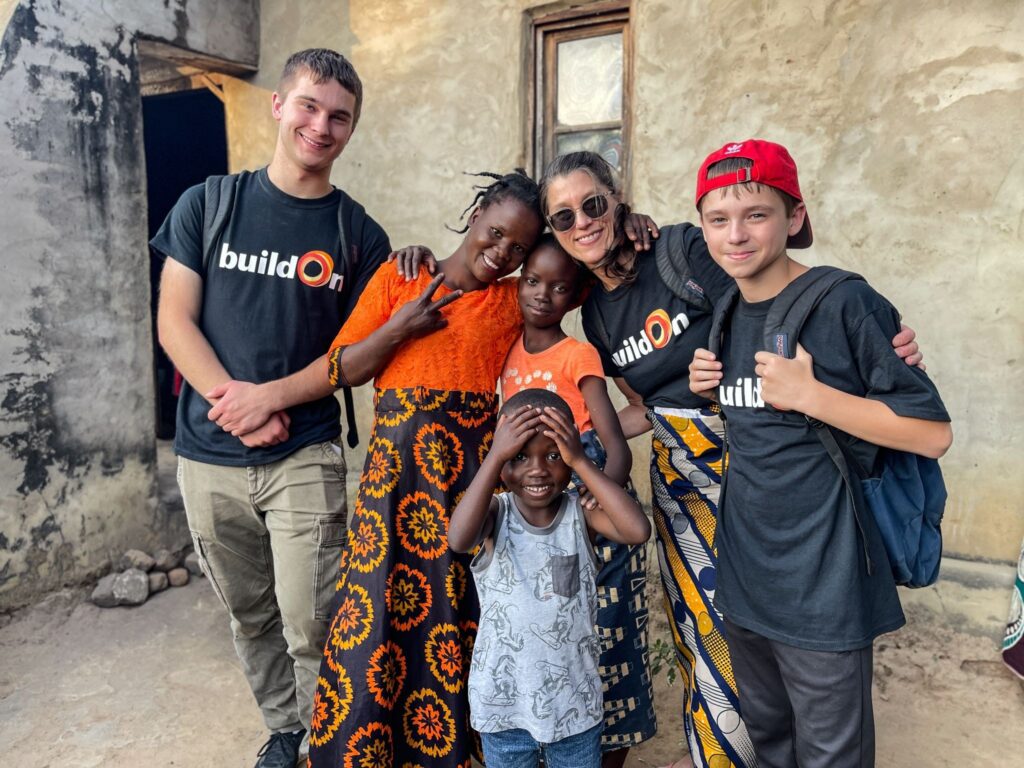
When it’s time to take pictures, participants ask permission first and never photograph private moments like funerals, religious ceremonies, or unclothed children. Respect comes before documentation.
Partnership Over Pity
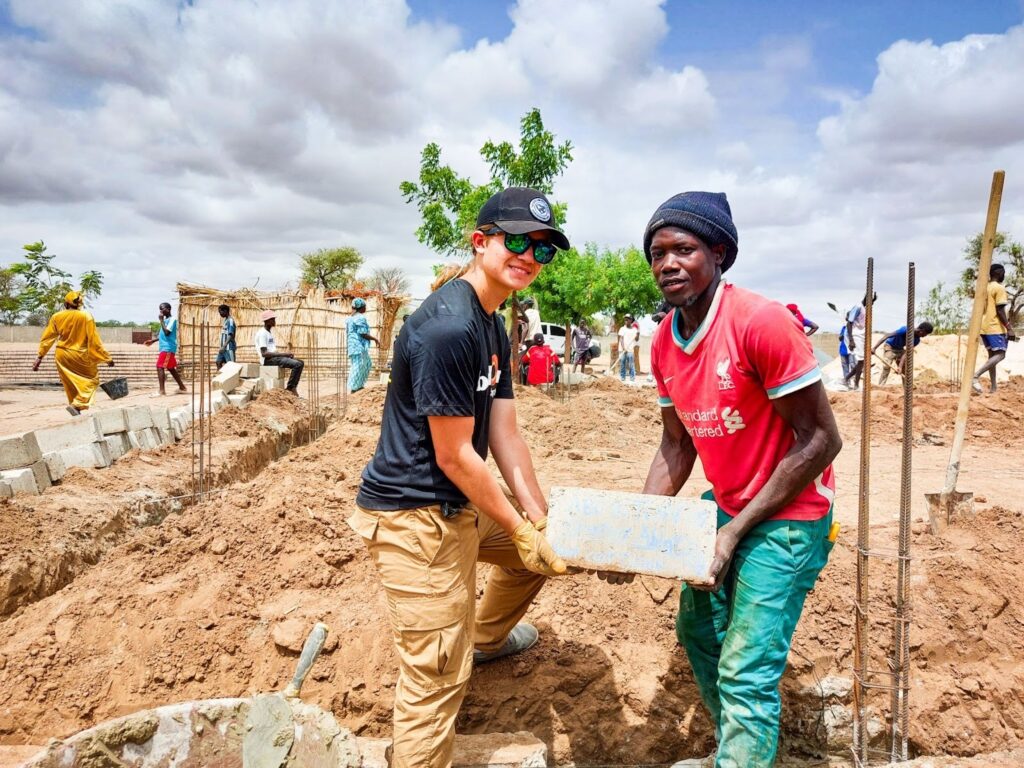
Since 1991, buildOn has partnered with rural communities across eight countries to construct more than 2,900 schools. And each one is built through collaboration, not charity!
When you go on Trek, you’re not a tourist. You’re part of a global movement, one that’s uniting people through service and education to ignite opportunity.
Ready to start your Trek journey? Fill out the form on this page to get the process started!