

Haitians Want Better Schools. buildOn Is Building Them.


Ask Haitians what their country needs most right now, and the answer isn’t only security.
A rare, on-the-ground poll of more than 1,330 Haitians, conducted this spring by the London-based think tank Chatham House and QQ Research Consultants, found that while addressing gang violence remains a top concern, nearly 70 percent of respondents said fixing the country’s threadbare education and healthcare systems matters just as much to their communities’ future.
“What’s telling is that Haitians have an understanding of what is necessary to re-secure their communities,” said Christopher Sabatini, director of Chatham House’s Latin America Programme. “Security, yes, but also education, healthcare and formal jobs.”
This belief, that education is the foundation stronger, safer communities are built on, is at the very core of our work here at buildOn. Long before this poll ever asked the question, Haitian communities were already telling us the same thing: that a school built and led by a community changes what’s possible for a family, a village, and eventually a country.
Their findings line up with something worth noting: QQ Research, the same firm that helped conduct this poll, also worked alongside buildOn to independently evaluate our programs in Senegal. The people measuring what Haitians say they need are the same people who’ve measured what buildOn’s model actually delivers.
What You’ll Find in This Story
- What a new nationwide poll says Haitians want most for their country’s future
- Why Haiti’s schools are under so much strain right now
- Three communities, Morvant, Gond Dayere, and Conde, where new buildOn schools are already making an impact
Why Does Haiti Need More Schools?
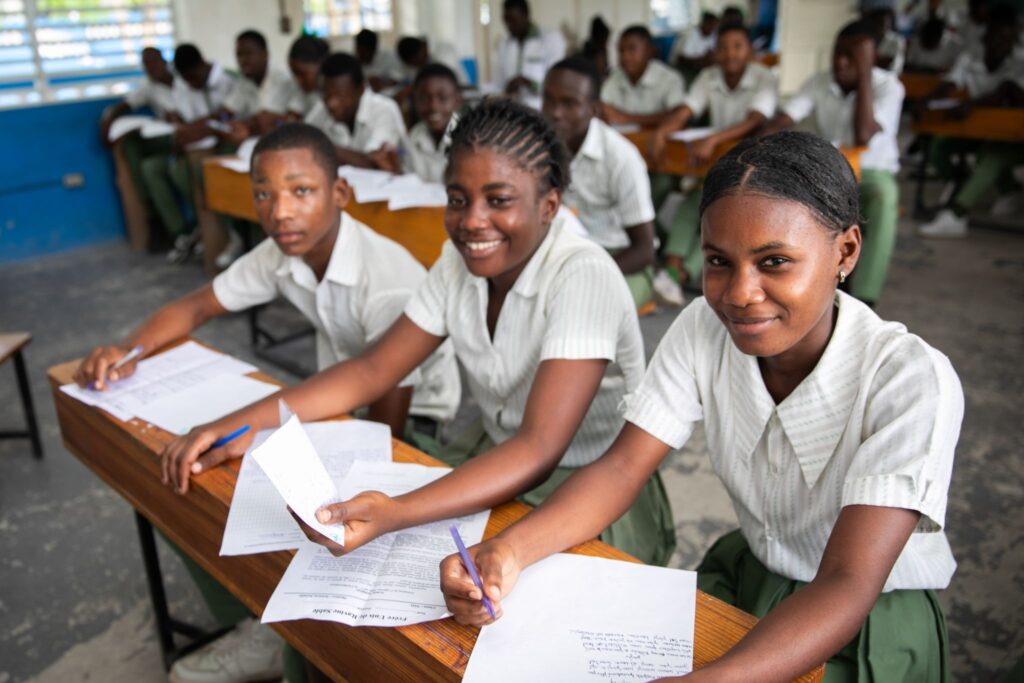
The numbers explain why education keeps coming up. Thirty-two percent of Haitians over 15 are illiterate, and the UN Human Development Index ranks Haiti as the poorest country in the Western Hemisphere. Political instability since 2018, a history of earthquakes and hurricanes, and years of disrupted daily life in and around the capital of Port-au-Prince have only added to the strain on schools that were already stretched thin.
That strain has deep roots. In 1804, Haiti became the world’s first nation founded by a successful slave revolt, and the only one. France’s response was to send warships to the Haitian coast and demand payment: 150 million gold francs, an indemnity to former slaveholders for the “loss” of the people they had once enslaved, in exchange for recognizing Haiti’s independence at all. Haiti’s government paid, borrowing heavily from French and American banks at steep interest rates to do it, and stayed in debt from that agreement for the next 122 years, not finishing the payments until 1947. Historians estimate the cost to Haiti’s economy at around $21 billion in today’s dollars. For generations, it diverted as much as 40 percent of the country’s national income away from schools, hospitals, and other public investment, just to keep up with the debt.
Additionally, years of gang violence in Port-au-Prince have displaced large numbers of families, many of whom have relocated to rural communities in search of safety. That shift has put new pressure on rural schools that were never built to serve this many students. It’s also made the poll’s finding more urgent: communities are absorbing displaced families and asking for the resources to educate all of the new students, not just the ones who were already there.
What Does buildOn’s Work in Haiti Actually Look Like?
buildOn has partnered with Haitian communities to build schools since 2001. Today, that adds up to 224 schools, serving 55,775 students and adults, built through 257,242 volunteer workdays contributed by the communities themselves. Just under half of the students in those schools are girls.
None of it happens by outsiders showing up with a plan. It happens because a community decides a school is possible, organizes itself to build one, and asks buildOn to help make it happen. Morvant, Gond Dayere, and Conde are three communities that have done exactly that.
Morvant
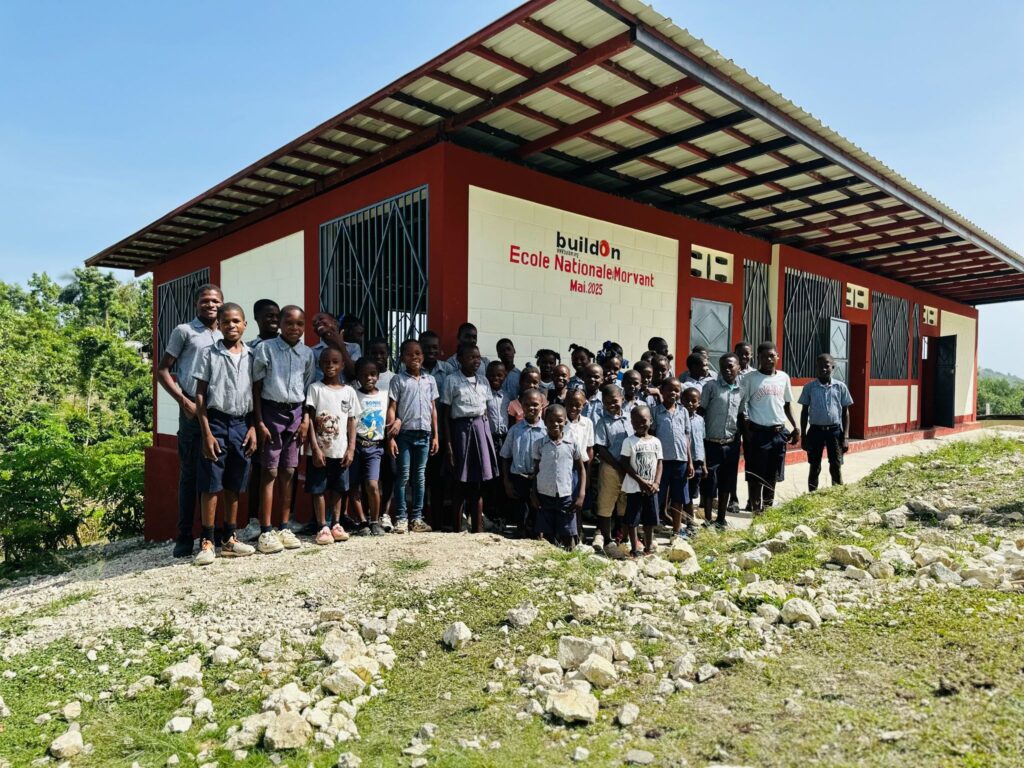
In Morvant, families had grown used to a temporary school building that offered little real protection from the weather. Over time, conditions became so difficult that the school struggled to hold onto students at all. Once construction began, eleven-year-old Jeanne, a fourth grader who dreams of becoming a doctor, put it simply: “I am so happy about the new classrooms because I will be able to learn better!”
Today, 94 students attend the finished school, built through 766 volunteer workdays contributed by the community itself. Jean Cédert Charles, a teacher, father of four, and lifelong resident of Morvant, volunteered throughout the construction process and spent the months in between encouraging families to believe things could change. “buildOn taught us not to wait for others to do everything for us,” he says. “When we participate, engage, and work together, we become the real agents of change in our own community.”
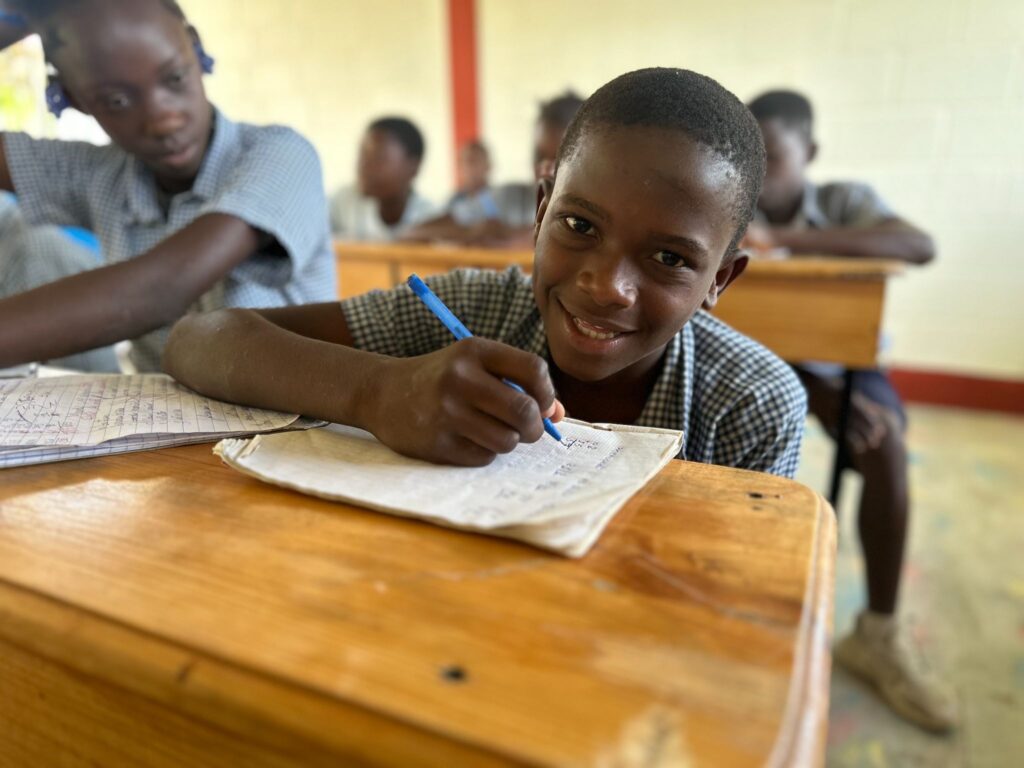
“buildOn taught us not to wait for others to do everything for us. When we participate, engage, and work together, we become the real agents of change in our own community.”
Jean Cédert Charles, Teacher in Morvant, Haiti
Gond Dayere
In Gond Dayere, more than 200 students were packed into temporary structures with almost no equipment. The buildings they had offered no real protection once the rainy season hit. “The educational conditions were terrible,” said Julio Belisage, who taught there for 14 years. “There were no teaching or learning materials.”
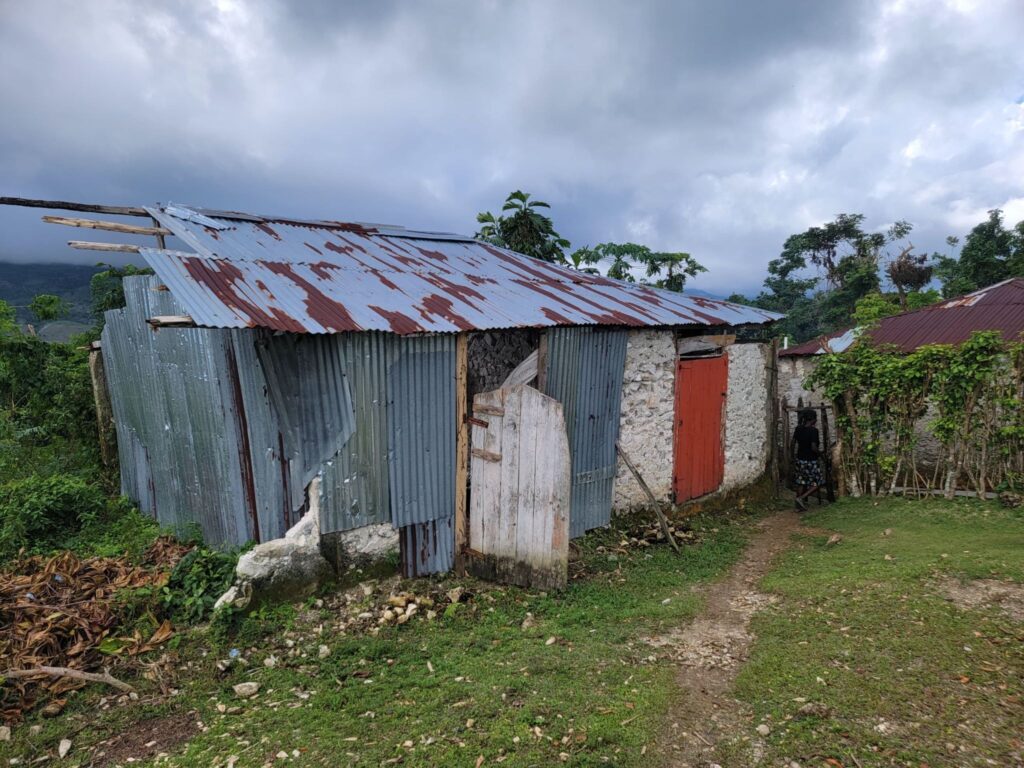
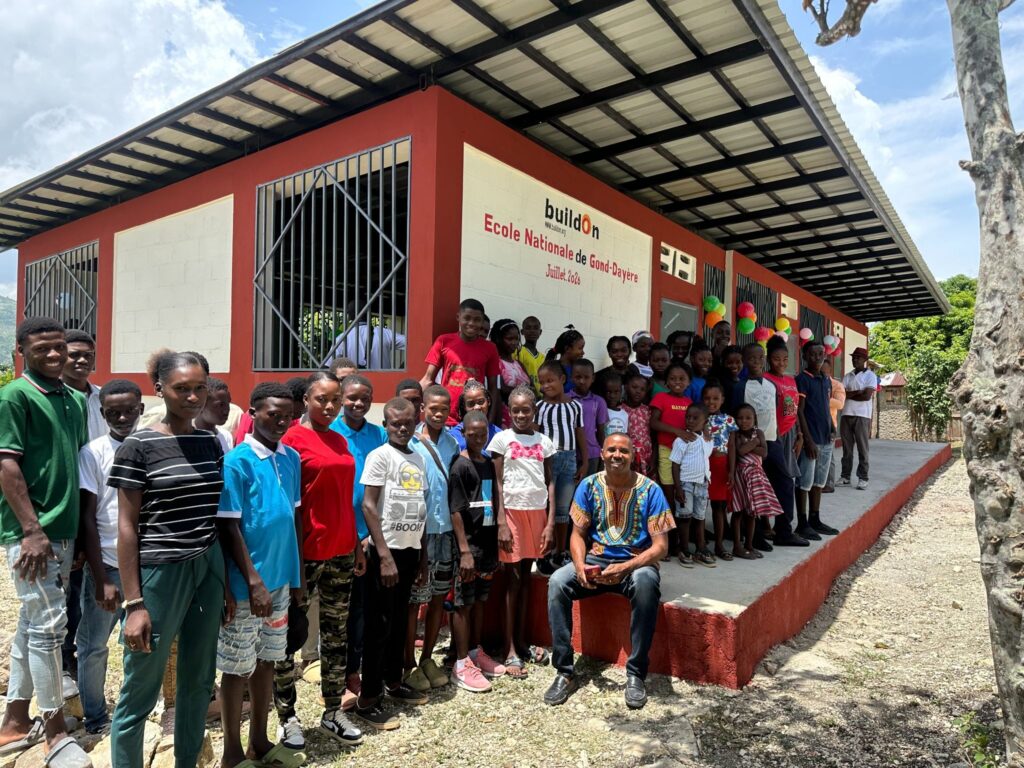
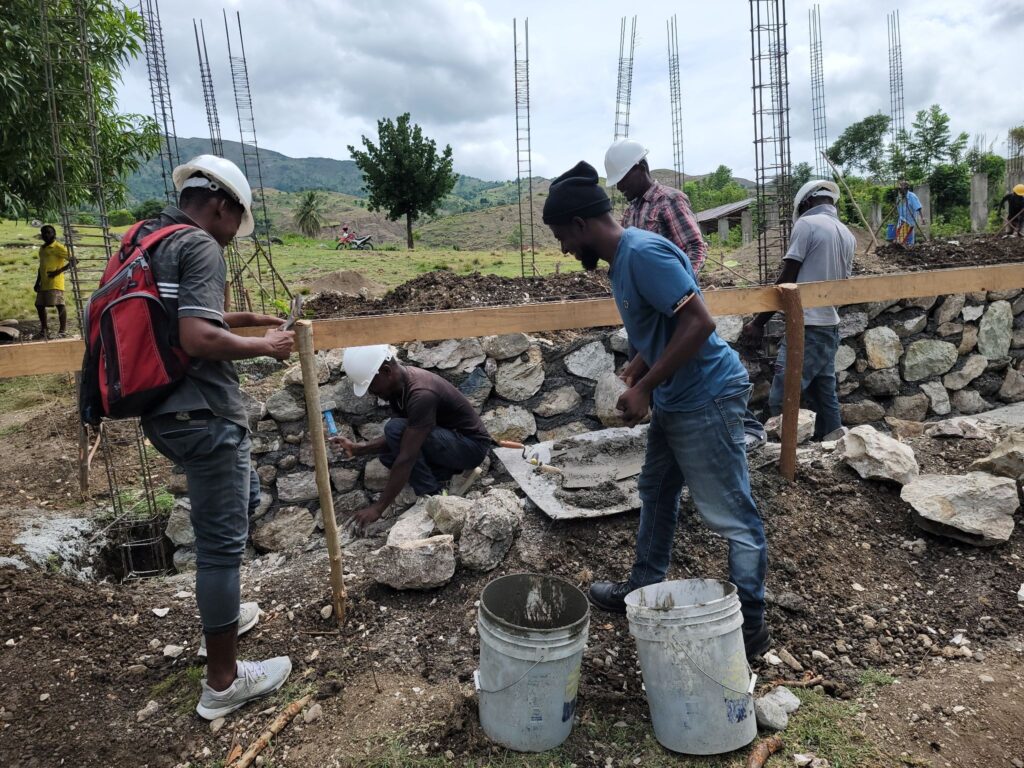
Now the community has a brand-new school building, built through 614 volunteer workdays. Yonel Sillias, a farmer and father of four who attended the old school himself as a child, served on the Project Leadership Committee and spent the project encouraging his neighbors to show up. “I encouraged other members of the community to come and work,” he says, “because the success of this project depended on everyone’s participation.”
Conde
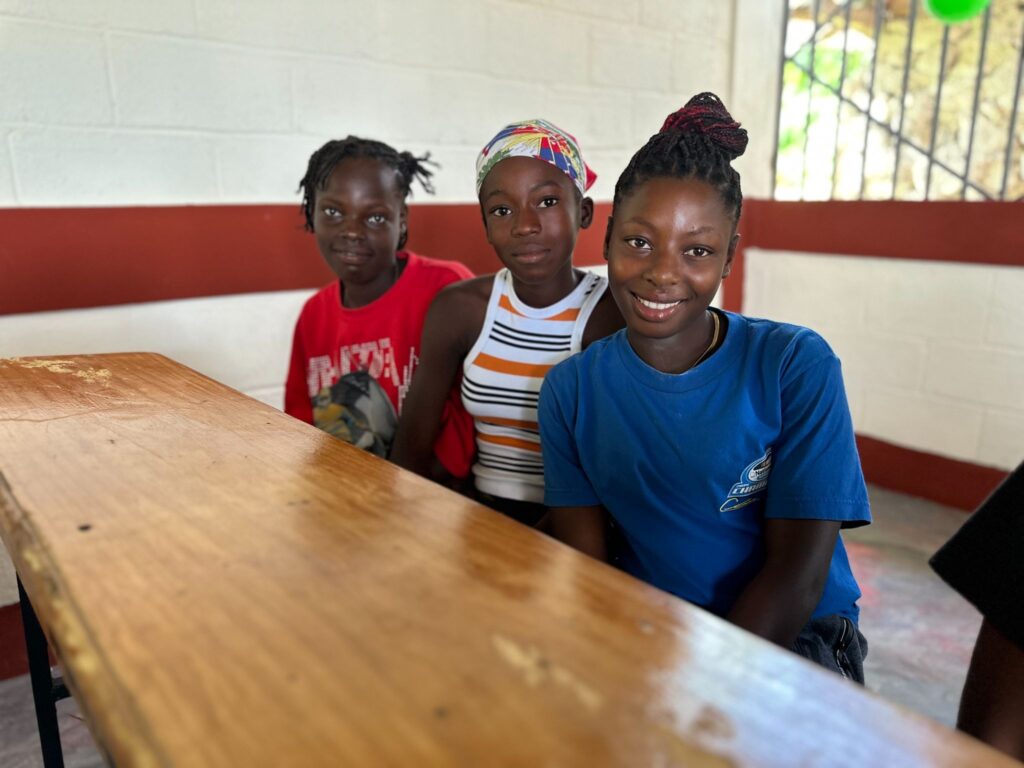
Conde’s old school was a single open-air structure: tin roofing over cement columns, no walls, no windows, no doors, and no real shelter once it rained.
Today, 123 students attend the completed school, built through 1,029 volunteer workdays. Laurore Frero, a teacher and father of two, wasn’t on the Project Leadership Committee himself, but spent the project encouraging others to get involved. “We understood that when a whole community comes together, it can achieve great things,” he says. “This school is now a symbol of hope, unity and progress for the entire community of Conde.”
Jolene, a 14-year-old sixth grader who wants to become an engineer, described what the new school meant to her: “This school gives me the chance to learn more every day so I can reach my dreams.”
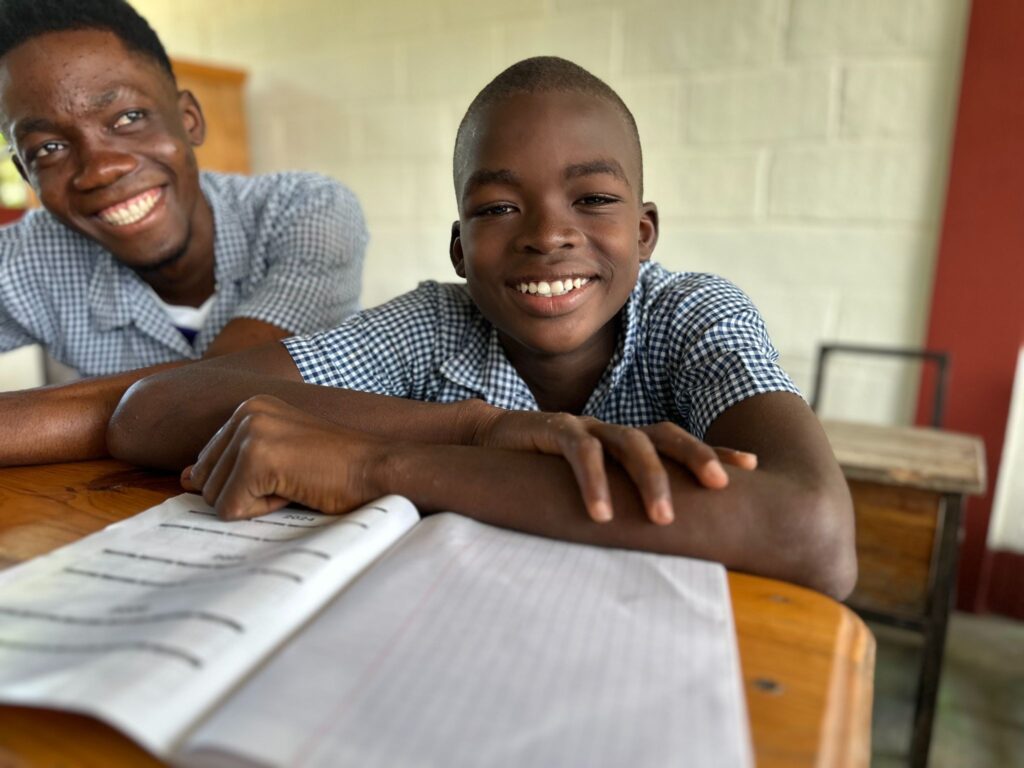
“This school is now a symbol of hope, unity and progress for the entire community.”
Laurore Frero, Teacher in Conde, Haiti
Why This Approach Works
This is where the QQ Research connection matters again. The independent study QQ Research conducted on buildOn’s programs in Senegal found real, measurable results: average household income rose 54 percent in communities we worked in, and more than 90 percent of Adult Literacy Program participants reported meaningful gains in reading and confidence with numbers. It’s the same community-led model buildOn uses in Haiti: communities provide land, labor, and leadership; we provide the training, materials, and technical support to build something that lasts.
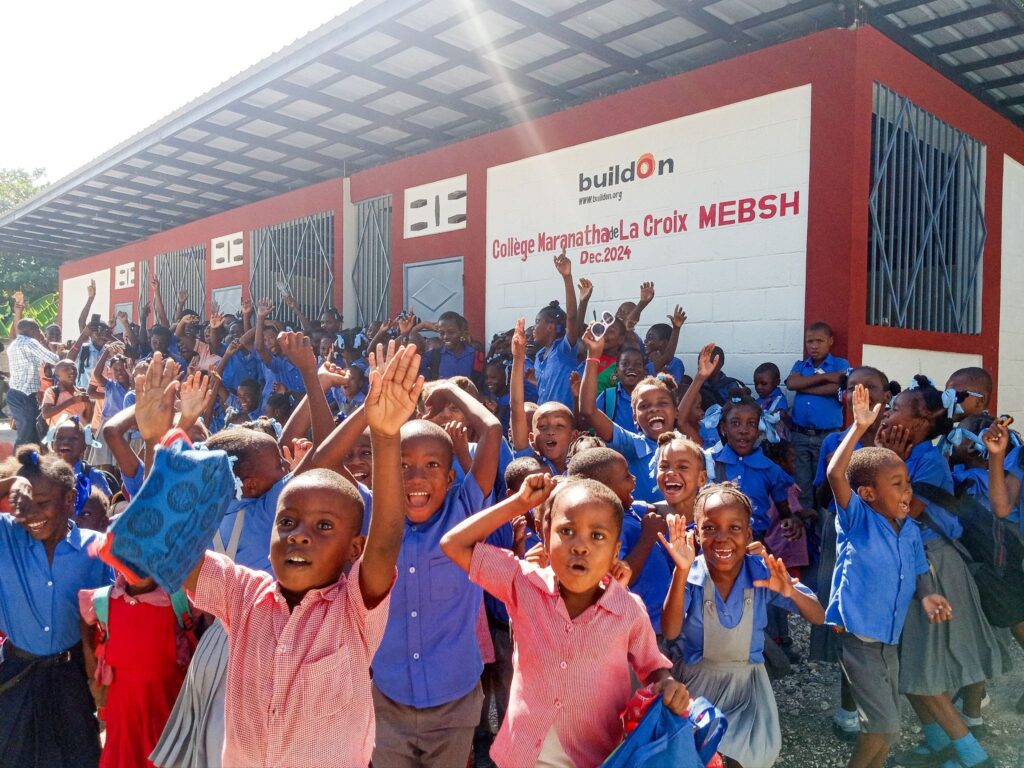
The Haiti poll captured something buildOn has built our entire model around: communities know what they need, and they’re capable of leading the work to get there.
A Future Haitians Are Already Building
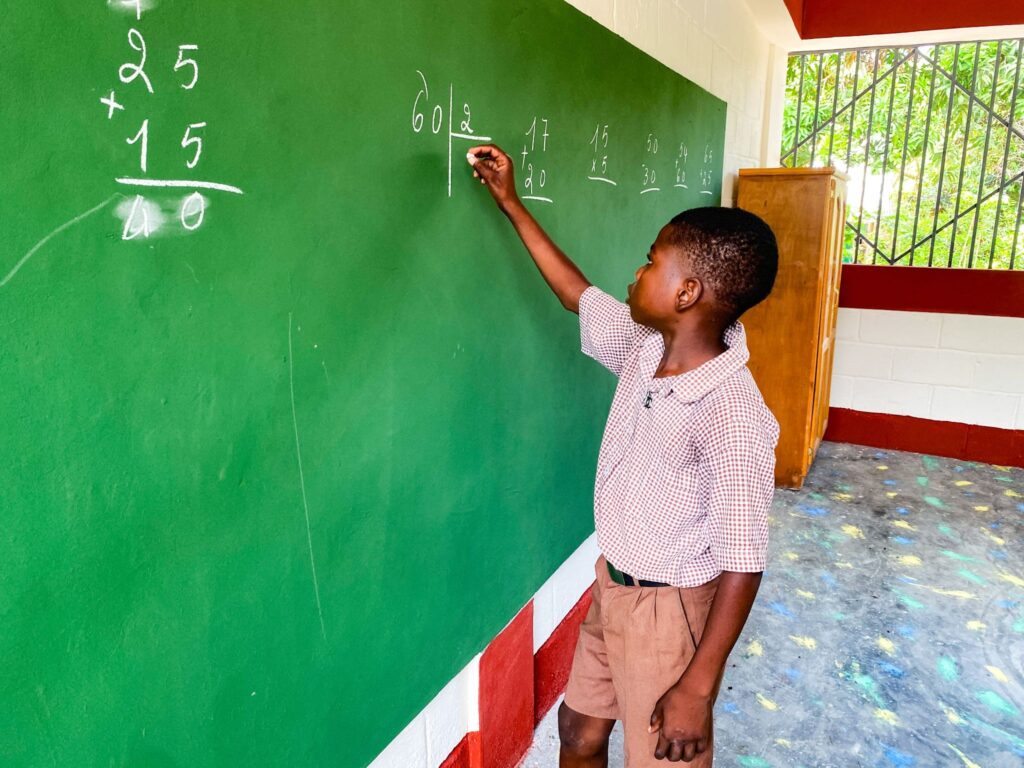
None of this makes Haiti’s challenges simple, and no single program can solve a national crisis. But the poll is a reminder worth sitting with: when nearly 1,330 Haitians were asked what their country needs most, they didn’t just name the threat they wanted removed. They named the systems they wanted built back up, education chief among them.
That’s the work we’re doing in places like Morvant, Gond Dayere, and Conde; schools that aren’t handed down by saviors, but built alongside the people who live there.
Want to help build the next school in Haiti? Consider making a tax-deductible donation to support buildOn’s work in Haiti.