

How Trek Strengthens Your Resume and College Applications


Every year, students look for ways to stand out on college and job applications: leadership roles, unique extracurriculars, a story that says more about them than a GPA ever could. A buildOn Trek can offer all of that, and it comes with something most extracurriculars can’t match: fundraising for a real financial goal, leading a team, and spending a week working alongside a community on the other side of the world.
What You’ll Find in This Story
- What a Trek actually adds to a resume or application
- What changes in students who go, according to the teacher who’s watched it happen for a decade
- What a buildOn Trek shows an admissions officer or potential employer that grades can’t
Ready to add global service to your resume? Sign up to go on Trek today.
What Does a buildOn Trek Actually Involve?
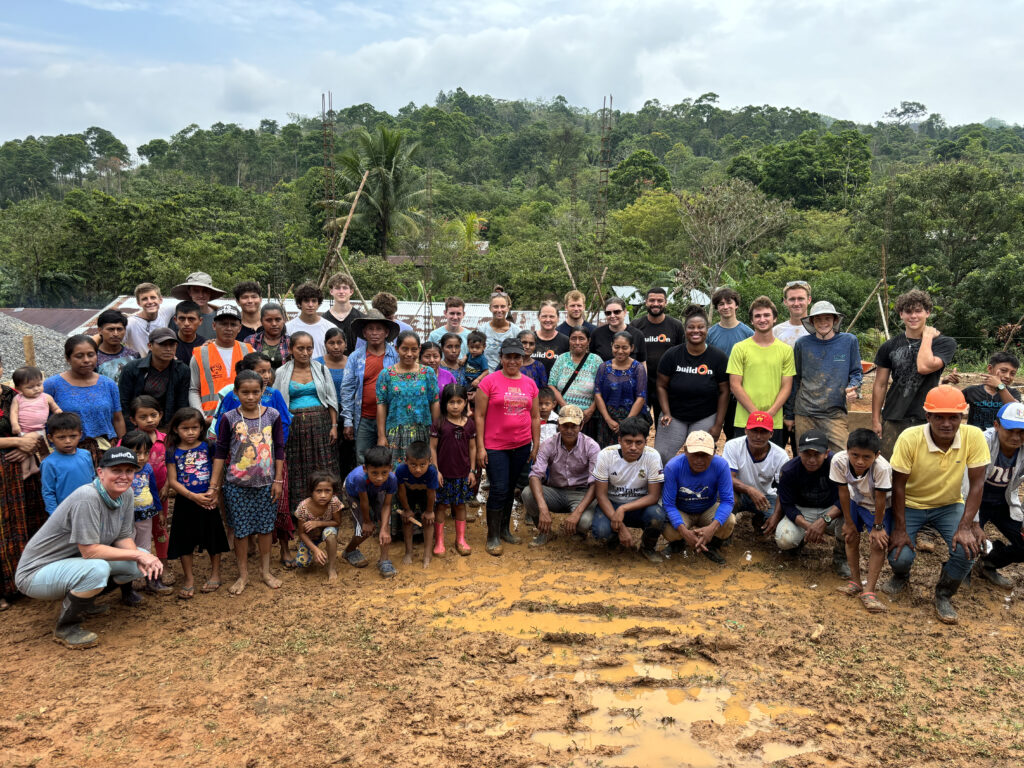
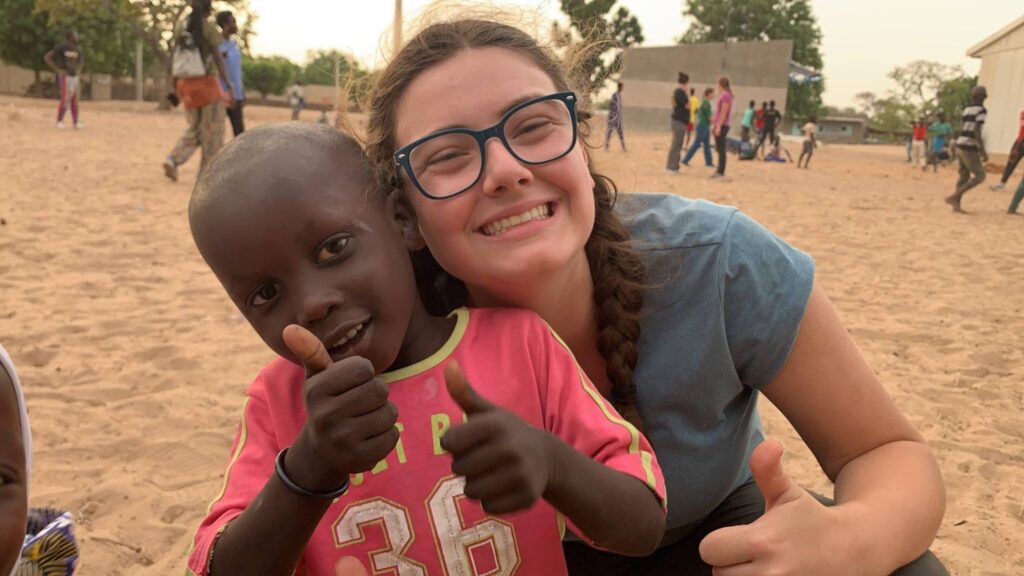
Students fundraise, individually or as a team, to help cover the cost of a school’s construction in one of buildOn’s partner countries. Then they travel abroad and spend about a week living with a host family, working alongside the community on the worksite.
We run Treks in four countries across the world: Guatemala, Senegal, Malawi, and Nepal, all of them with their own unique cultures and environments that impact the Trek experience.
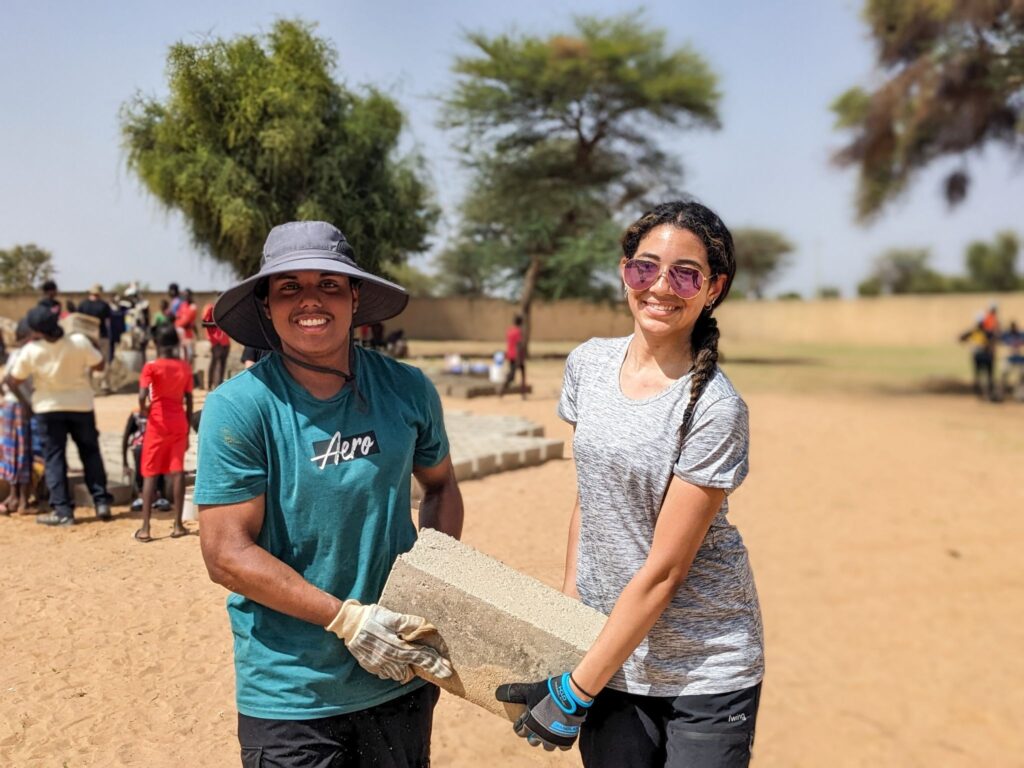
It isn’t a volunteer afternoon. It’s months of preparation, a real financial goal, and a week of physical work most students have never done before.
What Can You Put on Your Application?
The fundraising alone is a crash course most students don’t get anywhere else. Every Trek team has to raise a real, non-negotiable dollar amount before anyone boards a plane, and the teams that hit their goal tend to get there through creativity. Trek teams have fundraised in many different ways: selling buildOn coffee, partnering with local restaurants for donation nights, running Thanksgiving pie sales, asking for donations instead of birthday gifts, organizing community bike rides or car washes, and more.
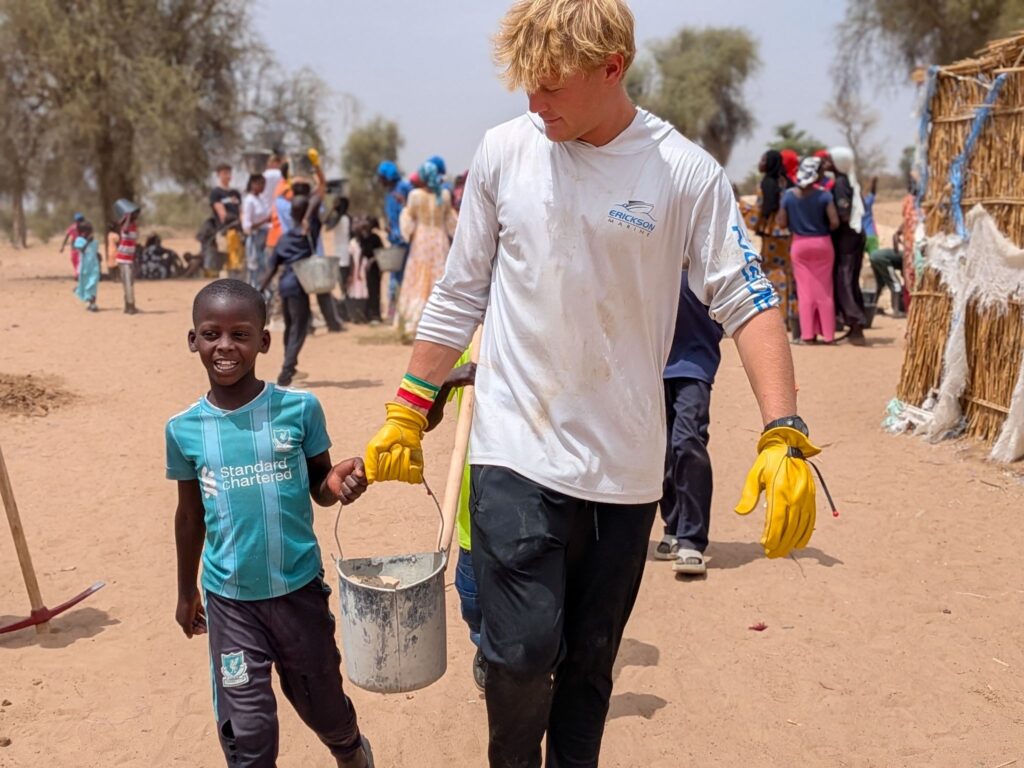
That’s just the start of what a Trek puts on a resume:
- Grassroots fundraising. Setting a real goal and hitting it, not a hypothetical one.
- Team leadership. Sophia Sims, now a senior at Dartmouth, ran weekly meetings as her chapter’s president, overseeing service officers, fundraising officers, and country-focused presentations, all before she ever left the country.
- Cross-cultural communication. Living with a host family whose language, food, and daily rhythm are nothing like home.
- Public speaking and community organizing. Most students present their fundraising campaign to their school or community before they ever board a plane.
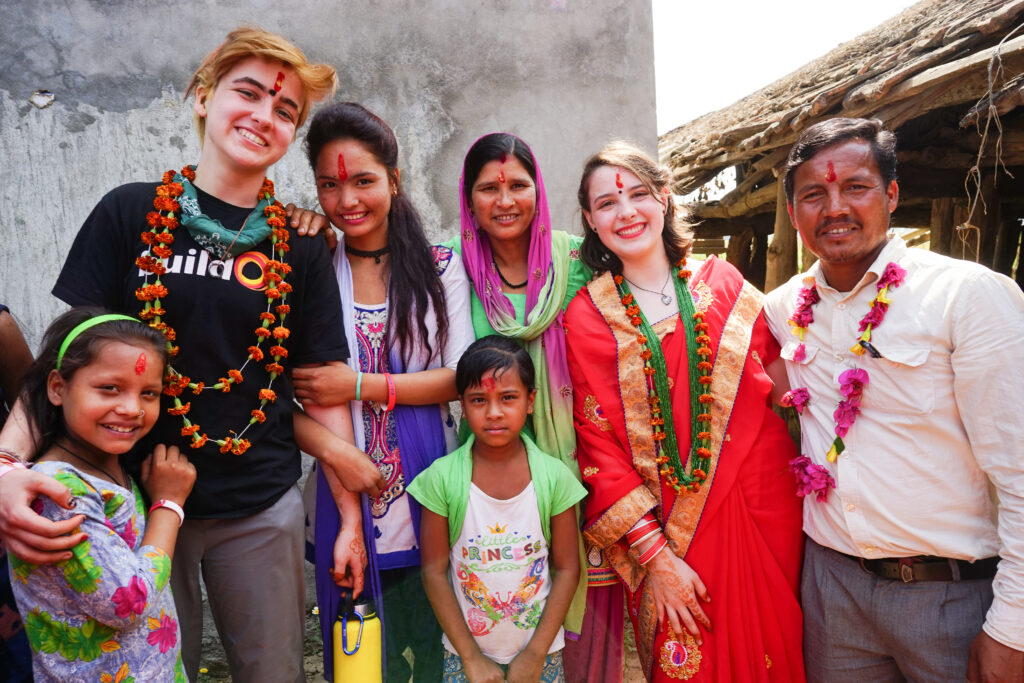
Cameron McAllister, a sophomore at NYU who’s been on two Treks, is clear about why she actually went. “You’re there to help and you’re there to serve,” she says, describing what she’d tell anyone considering Trek: strip away the excitement of a new country and remember why you’re actually there. The college essay came later, almost as a side effect of doing something she meant for a deeper purpose entirely.
She put her Trek experience directly into a supplemental college essay on service. “I think it definitely did help,” she says. “I think [going on Trek] can show leadership and endurance. That you’re teachable. That you’re able to follow through on things, and that you can be of service to people. That you’re interested in doing things outside of yourself. I think those can definitely stand out to an employer or admissions officer.”
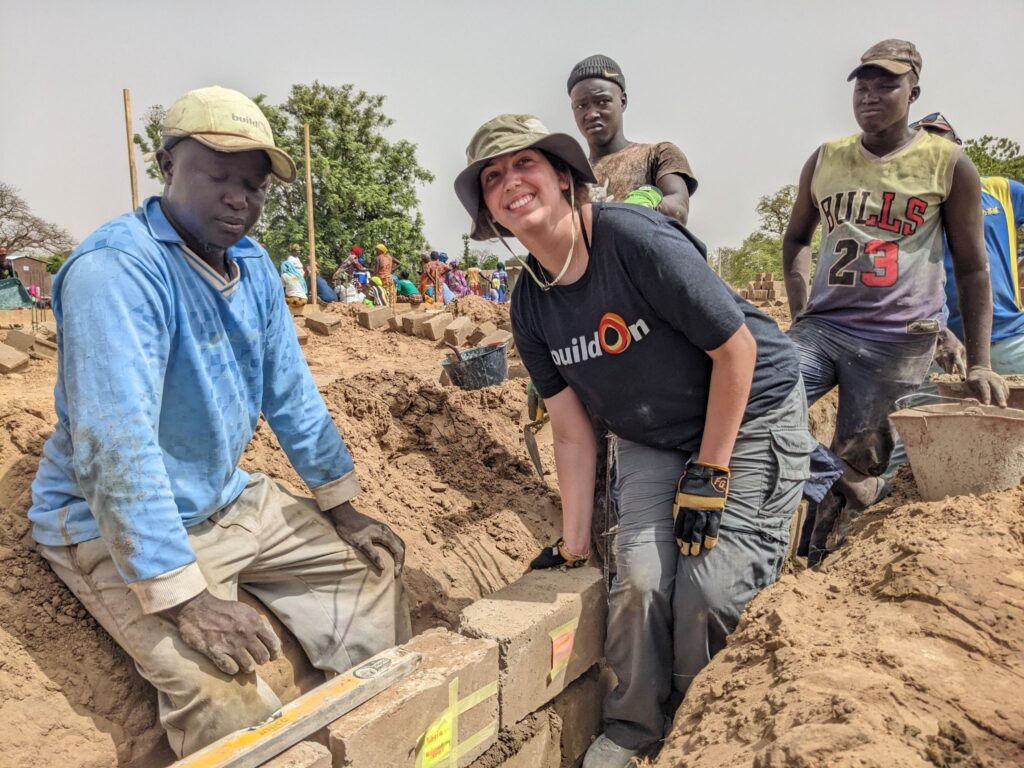
“Trek can show leadership and endurance. That you’re teachable. That you’re able to follow through on things, and that you can be of service to people. That you’re interested in doing things outside of yourself. I think those can definitely stand out to an employer or admissions officer.”
Cameron McAllister, NYU Sophomore
What Changes When Students Come Back?
Dr. Angie Shelton has sponsored the buildOn club at Bloomington High School North in Indiana for about ten years, including through her own daughter’s two Treks. She’s watched dozens of students go through the program.
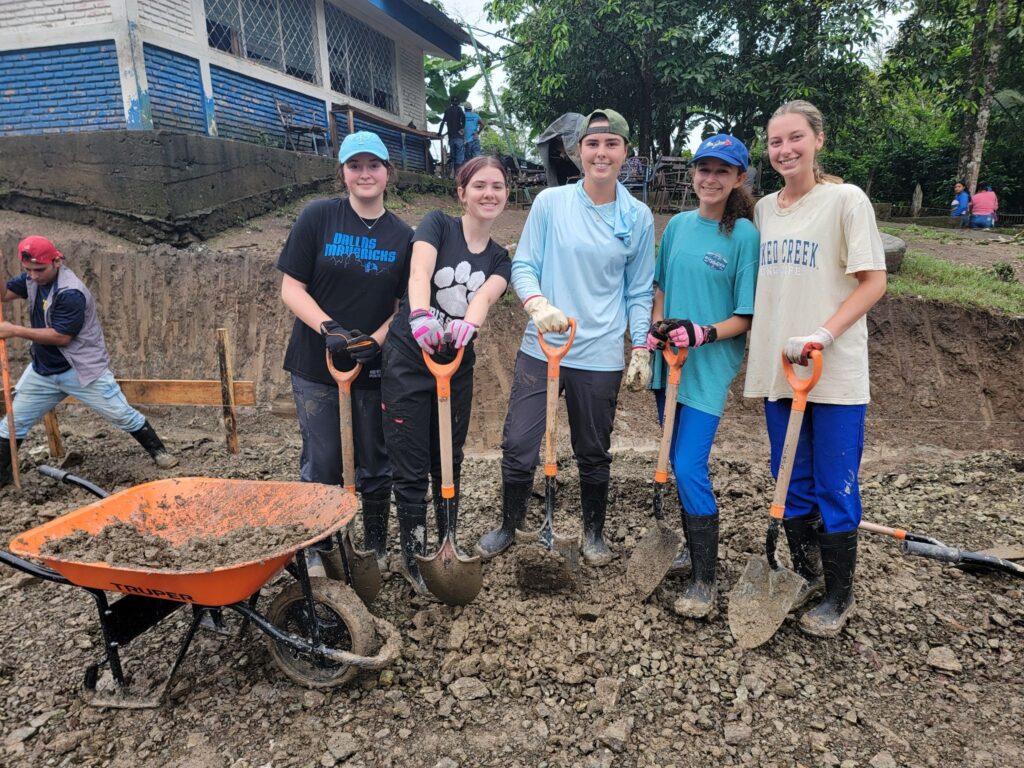
“My kid went, and she came back almost a different person,” she says. And this is true for other students as well—not just because of the travel, but because of who they meet. “They realize these are people who are just as smart and hardworking, if not more, than we are. They just don’t have access to the same resources. And I think that’s what makes a really big difference: seeing them as human beings.”
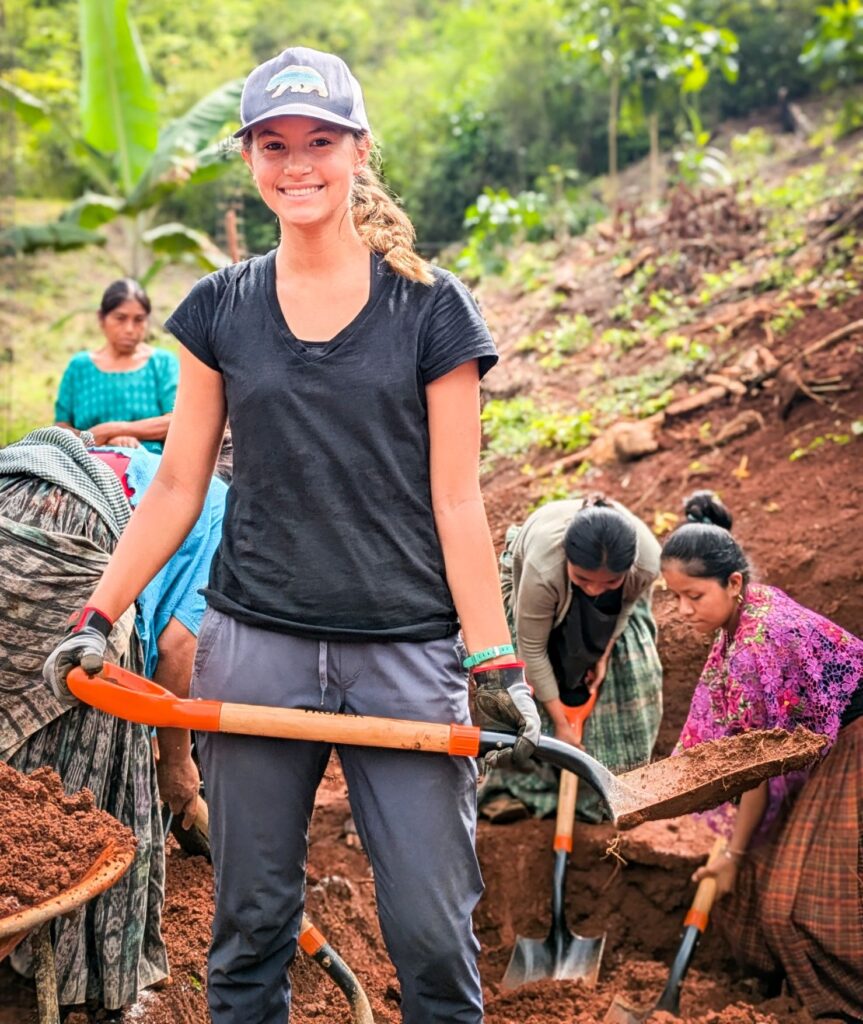
She’s watched what the harder parts of Trek build in kids, too. Things don’t always go according to plan; that’s part of working in rural communities anywhere in the world. “They realize, emotionally and physically, that they can put up with more than they thought they could. And they can live in conditions that are rougher than they thought they could,” she says. “Working together, putting up with challenging conditions, unfamiliar food and places—makes them a tougher person.”
From where she sits, that shows up on an application, too. “It shows a higher level of engagement, involvement, and concern for the world,” she says. “There’s a lot of personal sacrifice. You’re not just listing something on a resume. You had to work really hard for that experience.”
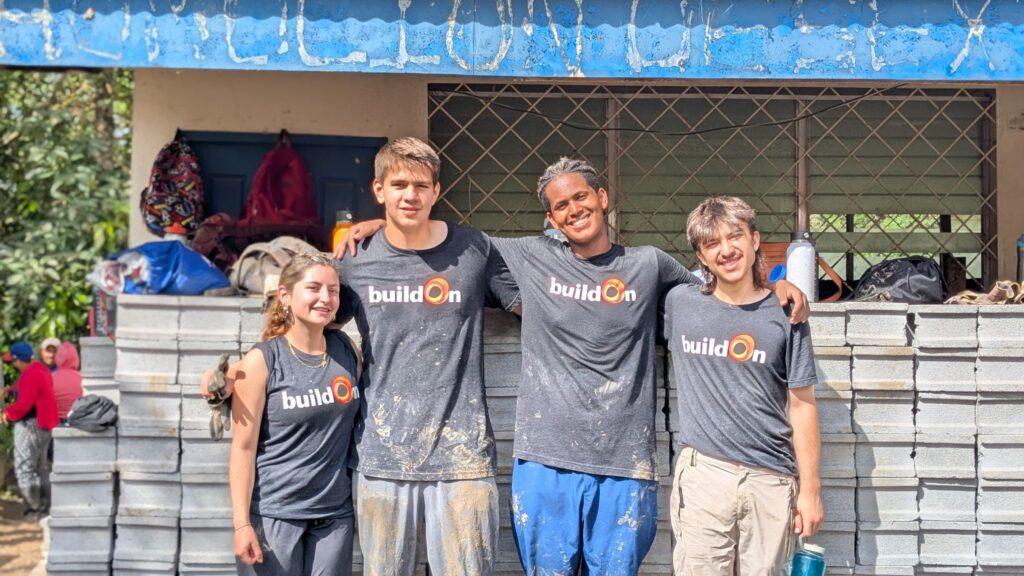
“It shows a higher level of engagement, involvement, and concern for the world. There’s a lot of personal sacrifice… You had to work really hard for that experience.”
Dr. Angie Shelton, Bloomington High School North Teacher
What Does Trek Show That Grades Can’t?
Sophia, who’s been on two Treks and later designed her own internship with buildOn in Malawi, says it’s the one thing she’s never found anywhere else. “I haven’t been able to find anything that compares,” she explains. “Living in a community, working with the community, being a part of the community… There’s something so special about that that you can’t get elsewhere.”
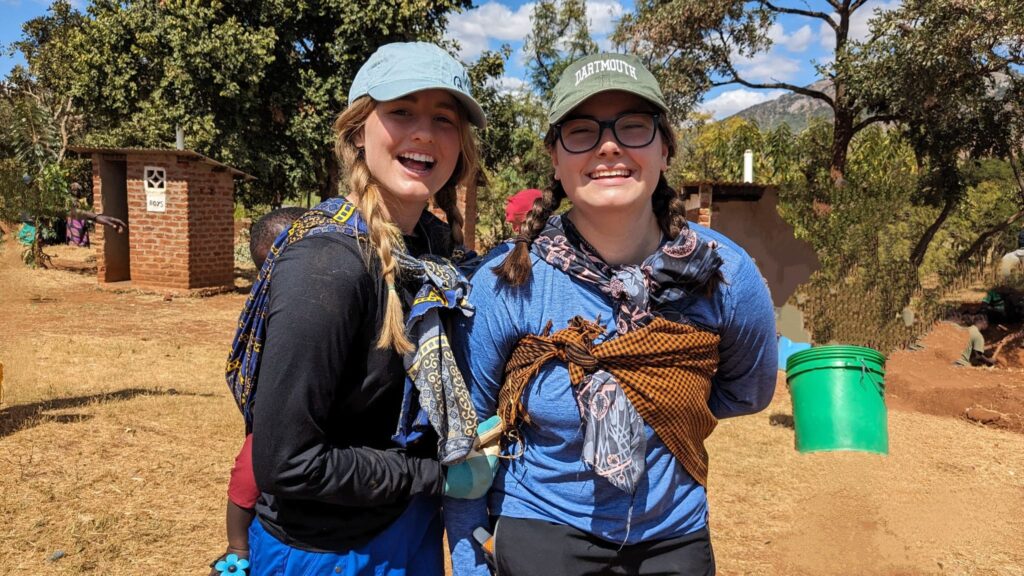
“There’s no words to describe the experience that you get when you’re on Trek,” she adds. “Doing community service in the United States and giving back to your community is amazing, but I feel like the cultural exchange on Trek is the most important part.”
That said, the students who get the most out of Trek, on paper and off it, tend to be the ones who show up for the community first. Sophia herself chose to write about her buildOn chapter leadership role rather than the trip itself in her own applications, wanting the focus to land on what she’d built and led, not just where she’d traveled. It’s a small distinction, but a useful one: admissions officers can tell the difference between an experience and a talking point.
“I haven’t been able to find anything that compares. Living in a community, working with the community, being a part of the community… There’s something so special about that that you can’t get elsewhere.”
Sophia Sims, Dartmouth College Senior
Want to Add Trek to Your Application?
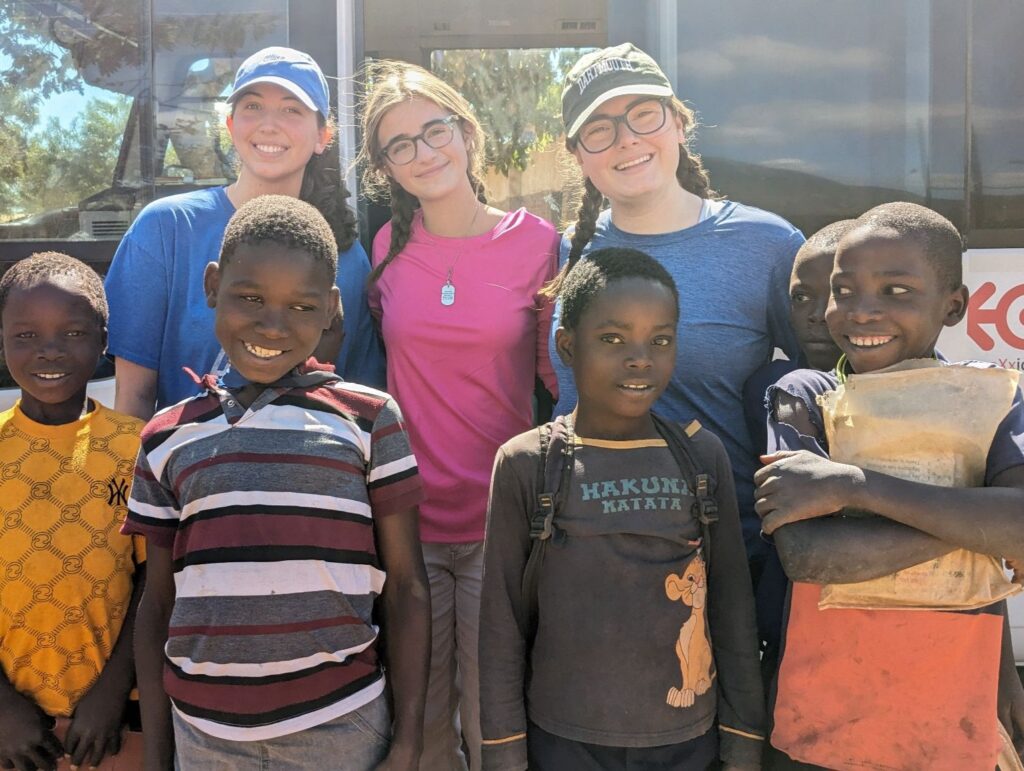
A buildOn Trek gives students a real fundraising goal, a real leadership role, and a real community to work alongside, months before they ever write a single word of a college essay or submit a job application. What they bring home afterward—resilience, perspective, a story that’s actually theirs—is what makes it worth writing about.
Ready to go on Trek? Sign up today.